Silk Road Coins Sent to Exchange
The Silk Road Saga Silk Road, an infamous dark web marketplace, facilitated the trade of illicit goods using Bitcoin as its primary currency. In 2013, its founder, Ross Ulbricht, was arrested, leading to the seizure of s...
Archive context
Older archive item. Useful for background and entity history, but not a fresh market-moving signal.

Silk Road, an infamous dark web marketplace, facilitated the trade of illicit goods using Bitcoin as its primary currency. In 2013, its founder, Ross Ulbricht, was arrested, leading to the seizure of substantial amounts of Bitcoin by U.S. authorities. These assets have since been a focal point in discussions about the government’s role in cryptocurrency markets.
Blockchain data revealed that a wallet associated with the U.S. Department of Justice initiated a small test transaction of 0.001 BTC to a Coinbase Prime address. Following this, a substantial transfer of 30,174 BTC, valued at approximately $2 billion at the time, was executed to a new address.
This transfer is linked to Bitcoin seized from James Zhong, who was convicted in 2022 for wire fraud related to Silk Road. In 2012, Zhong unlawfully obtained over 50,000 BTC from the platform. A 2021 raid on his property uncovered hard wallets containing the stolen Bitcoin, including one ingeniously hidden in a popcorn tin.
Source: X
Implications for the MarketThe movement of such a large volume of Bitcoin by the government often raises concerns about potential market impacts. Historically, announcements of government sales of seized Bitcoin have led to market volatility. However, it’s important to note that transfers do not necessarily equate to immediate sales. Analysts suggest that these assets could be moved for custody purposes or other administrative reasons, not necessarily for liquidation.
Coinbase, a leading cryptocurrency exchange, has previously been contracted by the U.S. Marshals Service to manage and dispose of seized digital assets. The recent transfer to a Coinbase Prime wallet indicates the government’s continued reliance on established exchanges for handling confiscated cryptocurrencies.
As the government continues to navigate the complexities of managing seized digital assets, the cryptocurrency market remains attentive to such significant movements. While the transfer of $2 billion in Bitcoin is noteworthy, its direct impact on market dynamics will depend on subsequent actions taken by authorities regarding these assets.
Given the incoming Trump administration’s more positive attitude to Bitcoin, it would be a kick in the teeth by the outgoing Democrat government, should they pursue a sale.
Why this matters
This research story adds another data point to the current market tape and is useful when read alongside nearby source coverage.
Original source
Read on Brave New CoinRelated market context
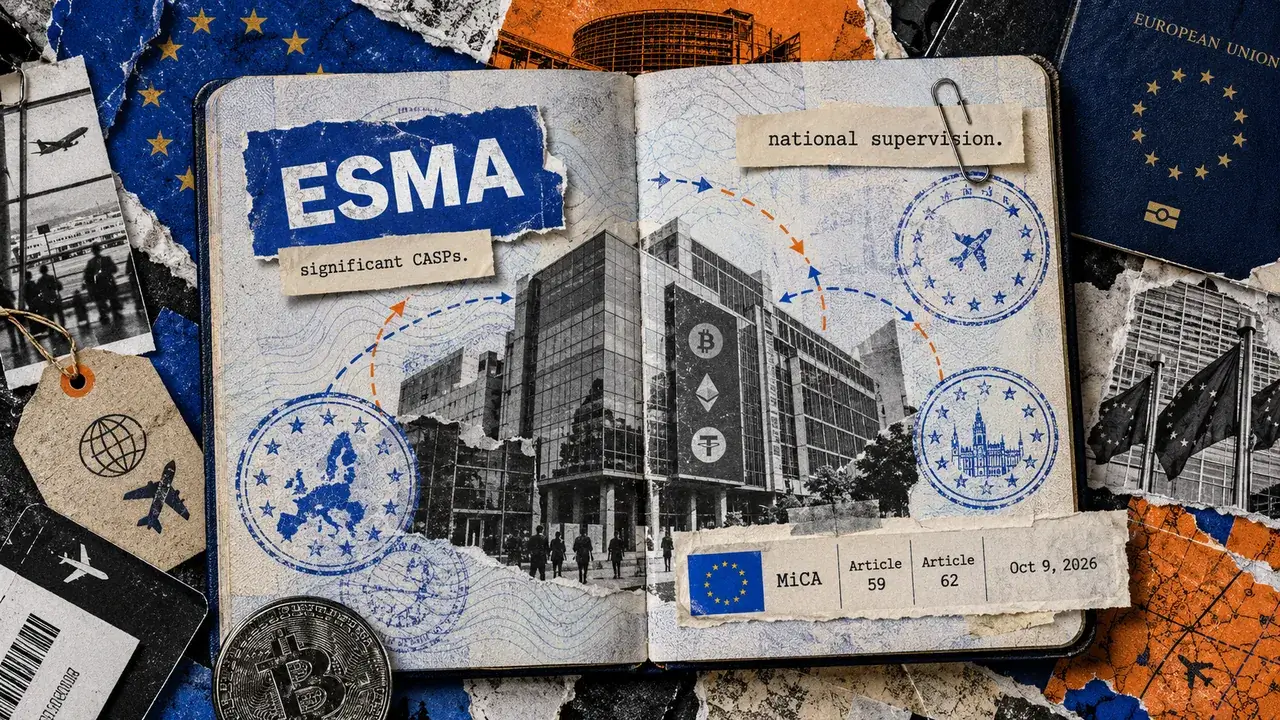
EU targets MiCA loophole that lets crypto exchanges serve 27 countries with one license
EU finance ministers agreed to shift oversight of major crypto companies to a central watchdog, reshaping supervision under MiCA....
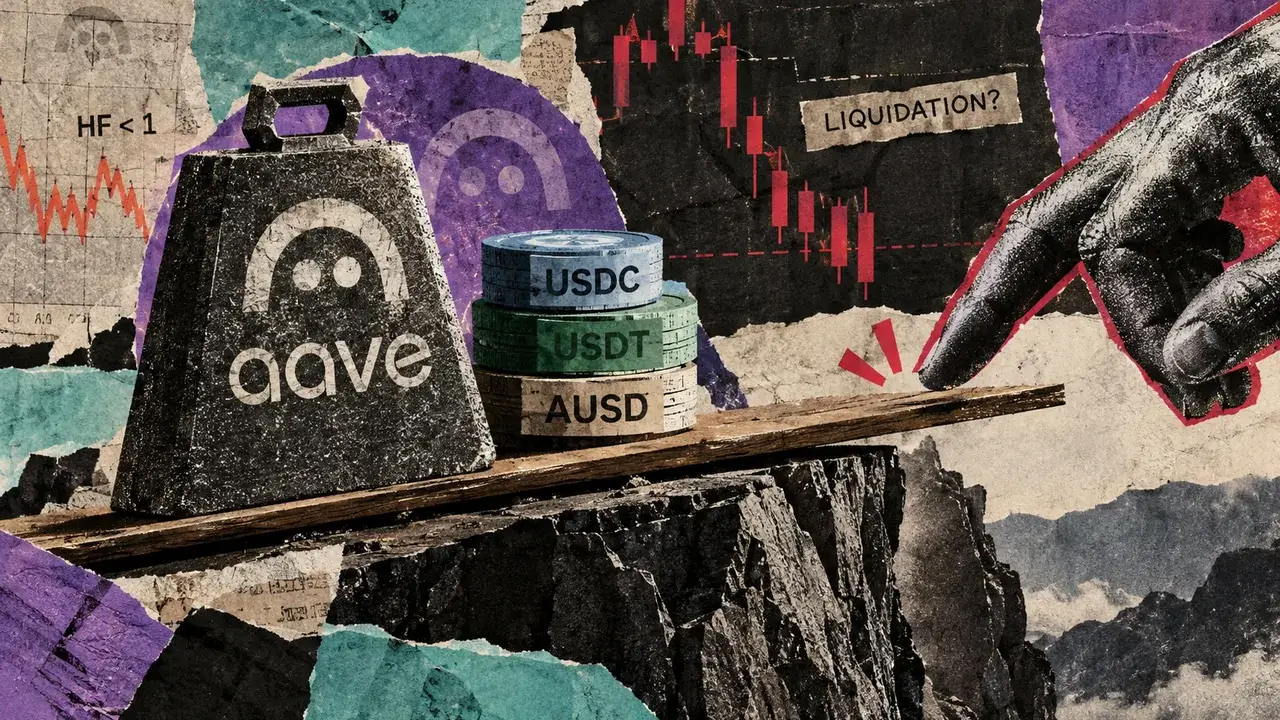
Some Aave loans sit near liquidation with collateral that can take hours to cash out
Some Aave loans backed by yield-bearing collateral had narrow liquidation buffers in LlamaRisk’s Oct. 9 snapshots. Every top PT-AU...

XRP’s next Wall Street expansion comes with an unexpected complication from Ripple
Evernorth is preparing to begin trading on Nasdaq on Monday, bringing approximately 473 million XRP into a publicly traded treasur...

State of TRON Q3 2026 Report Highlights $2.21 Trillion in Stablecoin Settlement Amid Network Activity Growth
Geneva, Switzerland, October 12, 2026 — TRON DAO, the community-governed DAO dedicated to accelerating the decentralization of the...

Moscow Exchange opens Bitcoin spot trading to retail investors on December 1
MOEX's Bitcoin spot trading for retail investors may increase regulatory oversight and transparency but could limit broader crypto...

From TOKEN2049 to Ecosystem Co-Building: HTX Advances Its Multifaceted Engagement Across the Global Crypto Industry
Singapore, October 12, 2026 – From October 6 to 8, the global crypto industry turned its attention to Singapore for TOKEN2049, a m...