South Korea, Singapore, Japan Top Countries Most Impacted by FTX Collapse: Report
A new analysis shows that the countries most impacted by the collapse of cryptocurrency exchange FTX are South Korea, Singapore, and Japan. Moreover, Russia, Germany, Turkey, Taiwan, India, Egypt, and Brazil also made th...
Archive context
Older archive item. Useful for background and entity history, but not a fresh market-moving signal.

A new analysis shows that the countries most impacted by the collapse of cryptocurrency exchange FTX are South Korea, Singapore, and Japan. Moreover, Russia, Germany, Turkey, Taiwan, India, Egypt, and Brazil also made the top 10 list of countries most affected by the FTX meltdown.
Countries Most Impacted by FTX FailureSouth Korea, Singapore, and Japan top the countries most impacted by the collapse of the cryptocurrency exchange FTX, according to an analysis by Coingecko, published Thursday. The study examines FTX.com’s monthly unique visitors and traffic by country based on Similarweb data from January to October. The crypto exchange filed for Chapter 11 bankruptcy on Nov. 11.
According to the analysis, South Korea is most impacted by the fallout of FTX as 297,229 unique users from the country visited FTX.com monthly on average. This represented 6.1% of the website’s traffic.
The next most-impacted country is Singapore where 241,675 unique users visited the FTX website monthly, representing 5% of the site’s traffic globally. When Binance shut down its Singapore operations in December last year, Binance users reportedly switched to FTX.
The third most-impacted country is Japan where 223,513 unique users visited the FTX website monthly, accounting for 4.6% of the website’s traffic. Earlier this year, Japanese conglomerate Softbank invested $100 million in FTX.
Besides the three aforementioned countries, Russia, Germany, Turkey, Taiwan, India, Egypt, and Brazil also made the top 10 list of countries most impacted by the meltdown of FTX. The analysis shows that only 92,935 FTX site visitors were from the U.S. However, it does not include traffic to FTX US which uses a separate domain.
FTX is currently under investigation in various countries. In the U.S., the Department of Justice (DOJ), the Securities and Exchange Commission (SEC), and the Commodity Futures Trading Commission (CFTC) are investigating the exchange for mishandling customer funds. Turkey’s financial intelligence unit started investigating FTX last week. The Bahamas Securities Commission has been trying to seize FTX’s cryptocurrencies.
The new FTX CEO, John J. Ray, III, who replaced Sam Bankman-Fried following the bankruptcy filing, said last week: “Never in my career have I seen such a complete failure of corporate controls and such a complete absence of trustworthy financial information as occurred here.”
What do you think about all the countries impacted by the collapse of FTX? Let us know in the comments section below.
Why this matters
This research story adds another data point to the current market tape and is useful when read alongside nearby source coverage.
Original source
Read on Bitcoin NewsRelated market context
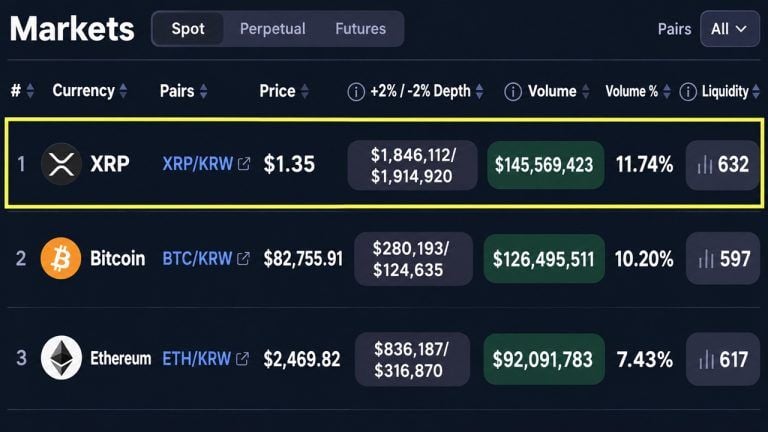
XRP Is Outtrading Bitcoin and Ether on South Korea’s Biggest Exchange
XRP topped Upbit’s spot volume in snapshots taken more than seven hours apart, beating bitcoin and ether in won trading even as it...

Binance Eyes Hong Kong, South Korea, Taiwan, Brazil Stocks in Global Push
Binance is exploring ways to give users exposure to leading stocks in markets including Hong Kong, South Korea, Taiwan, and Brazil...

XRP spot volume surpasses Bitcoin and Ethereum on South Korea’s Upbit
XRP's dominance on Upbit highlights the potential impact of local regulatory shifts on global crypto liquidity and market dynamics...
Canton Enters South Korea as Meritz Eyes Tokenized Finance Deals
South Korean investment firm Meritz Securities has struck a partnership with the Canton Foundation to explore bringing tokenized K...

MEXC AI Trading Report Reveals 85% of Crypto Traders Use AI, But Most Limit Its Control Over Funds
Mutsamudu, Comoros, October 16, 2026 — MEXC, a global cryptocurrency exchange, released its AI Trading Report, based on a survey o...

OKX Marketing Chief Haider Rafique Steps Back After Seven Years at Crypto Exchange
Key Takeaways: After nearly seven years at OKX, Haider Rafique has decided to step aside due to family and various personal reason...