South Korea’s Supreme Court formalizes crypto asset seizure rules
South Korea's formalized crypto seizure rules enhance creditor predictability and compliance but challenge self-custody enforcement. The post South Korea’s Supreme Court formalizes crypto asset seizure rules appeared fir...
Watchlist
Published in the last two hours. It maps to a high-priority topic hub.
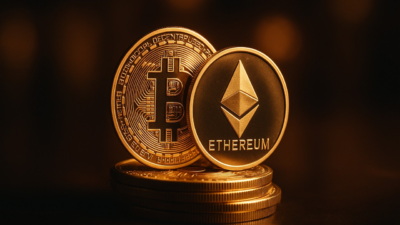
South Korea's formalized crypto seizure rules enhance creditor predictability and compliance but challenge self-custody enforcement.
The post South Korea’s Supreme Court formalizes crypto asset seizure rules appeared first on Crypto Briefing.
Why this matters
This maps to the Regulation hub, so it can help confirm whether that theme is gaining breadth across the crypto news cycle.
Original source
Read on Crypto BriefingRelated market context

South Korea Tightens Crypto Exchange Defenses After Binance’s $6.3B Security Breach
Key Takeaways: South Korea announced that it will examine local crypto exchanges following a $6.3 billion hack at Binance. The exc...
Binance-Controlled Korean Exchange GOPAX Stops Trading, Makes Users Email to Withdraw Crypto
Customers of GOPAX, a Korean exchange whose operator Streami is majority-owned by Binance, can now get crypto out only by emailing...
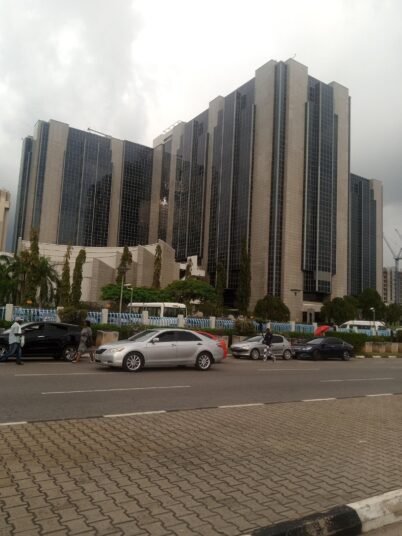
Nigeria Sets New Stablecoin Licensing Rules and Capital Requirements
TL;DR: Nigeria’s central bank issued a new framework on November 5 for non-security virtual assets, with separate stablecoin licen...

North Korea Rejects $6.3B Binance Crypto Heist Claims, FBI Blames TraderTraitor
Key Takeaways: North Korea has denied that state-sponsored cyber criminals raided about $6.3 billion in cryptocurrencies from Bina...

Solana’s October Upgrade Review Puts 200ms Slots and $5B in Tokenized Assets in Focus
TL;DR: Solana Foundation’s November 6 ecosystem review says two protocol changes went live in October: a reduction in target slot...

Tokenized assets with fewer than five holders now make up 13.6% of the market
The concentration of tokenized assets among few holders highlights liquidity risks and questions the true decentralization of the...