Thailand puts private wallets and offshore crypto transfers on notice in a major new crypto rule
Thailand’s Securities and Exchange Commission has issued a Travel Rule that will require supervised crypto platforms to collect and transmit information identifying the people or entities behind coin transfers. The regul...
Archive context
Older archive item. Useful for background and entity history, but not a fresh market-moving signal.

Thailand’s Securities and Exchange Commission has issued a Travel Rule that will require supervised crypto platforms to collect and transmit information identifying the people or entities behind coin transfers.
The regulator announced the rule on Sept. 2, and an associated notification is dated Aug. 25. It takes effect Feb. 27, 2027, after a 180-day implementation period from publication in the Royal Gazette.
The lead time lets operators prepare systems for exchanging transfer data, checking transactions, and requesting required information from customers, according to the SEC’s customer-facing Q&A.
How crypto transfers will changeSEC-supervised digital-asset operators must collect information on customers and their counterparties when coins are transferred. They must also check counterparties and verify the qualifications of digital-asset service providers or intermediaries in the transfer route.
An operator sending a transfer instruction must pass originator and beneficiary information to the operator receiving it. Transfer-related records must be kept for at least five years.
Related Reading One crypto wallet tied to a 20-year-old fraudster processed over $122M before Interpol closed inCustomers will face different information requests based on transfer size. When sending coins from a wallet held with a regulated platform, a customer must identify the recipient even when the transfer is no more than 30,000 baht.
For transfers over 30,000 baht, the customer must also provide the recipient’s province or city and country. If the recipient is a legal entity, the customer must also provide its registration number. Smaller transfers require basic recipient identification, while larger ones require additional location or entity details.
Thailand’s Travel Rule will require licensed crypto platforms to collect transfer identities, with added checks above 30,000 baht from Feb. 27, 2027.On incoming transfers between regulated operators, the recipient’s platform must collect information from the sender’s operator before allowing the recipient to move the coins out of the wallet.
The process becomes more specific when coins arrive at a regulated-platform wallet from a self-hosted wallet. The platform must collect sender information as it would for another transfer. If the transaction exceeds 30,000 baht, it must also verify that the user owns or controls the wallet by confirming the person can control or access it.
The obligation falls on supervised operators when a transfer touches their services, and the Q&A does not state that every coin transfer requires proof of wallet ownership.
The rule also stops short of extending the new data checks across all platform activity. It does not apply to trades on an operator’s order book or to transfers and withdrawals of Thai baht because it governs coin transfers.
The SEC said most transfers should continue through normal processes when customers provide complete information and platforms are ready. High-value transfers, cases with missing data, or transactions requiring added wallet checks may take longer.
The post Thailand puts private wallets and offshore crypto transfers on notice in a major new crypto rule appeared first on CryptoSlate.
Why this matters
SEC is showing up inside the Regulation theme, so this story is worth tracking for follow-through rather than treating it as a one-off headline.
Original source
Read on CryptoSlateRelated market context
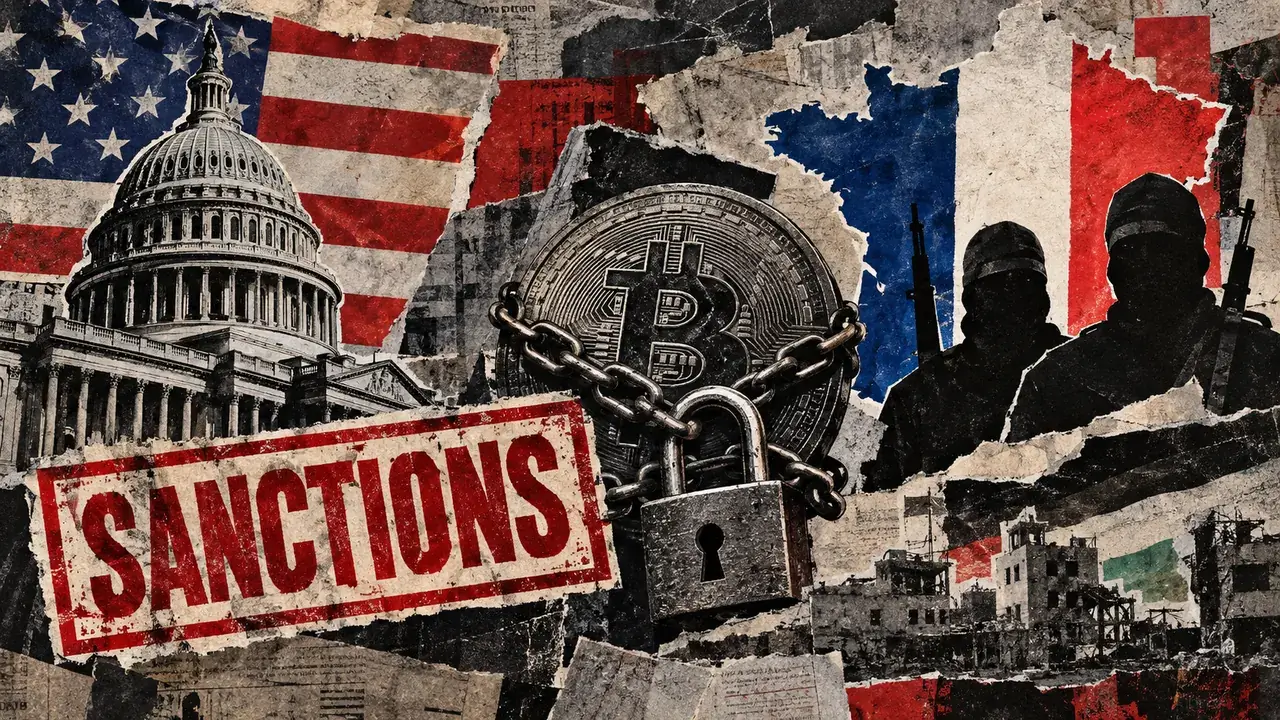
US expands Hamas sanctions after tracing crypto transfers from France
The US sanctioned two French charities and three individuals after alleging they helped channel cryptocurrency and other funds to...

Binance will require Brazilian users to explain cross-border crypto transfers from Nov. 1
Brazil's new crypto transfer rules may increase regulatory compliance costs and impact cross-border crypto activity efficiency. Th...
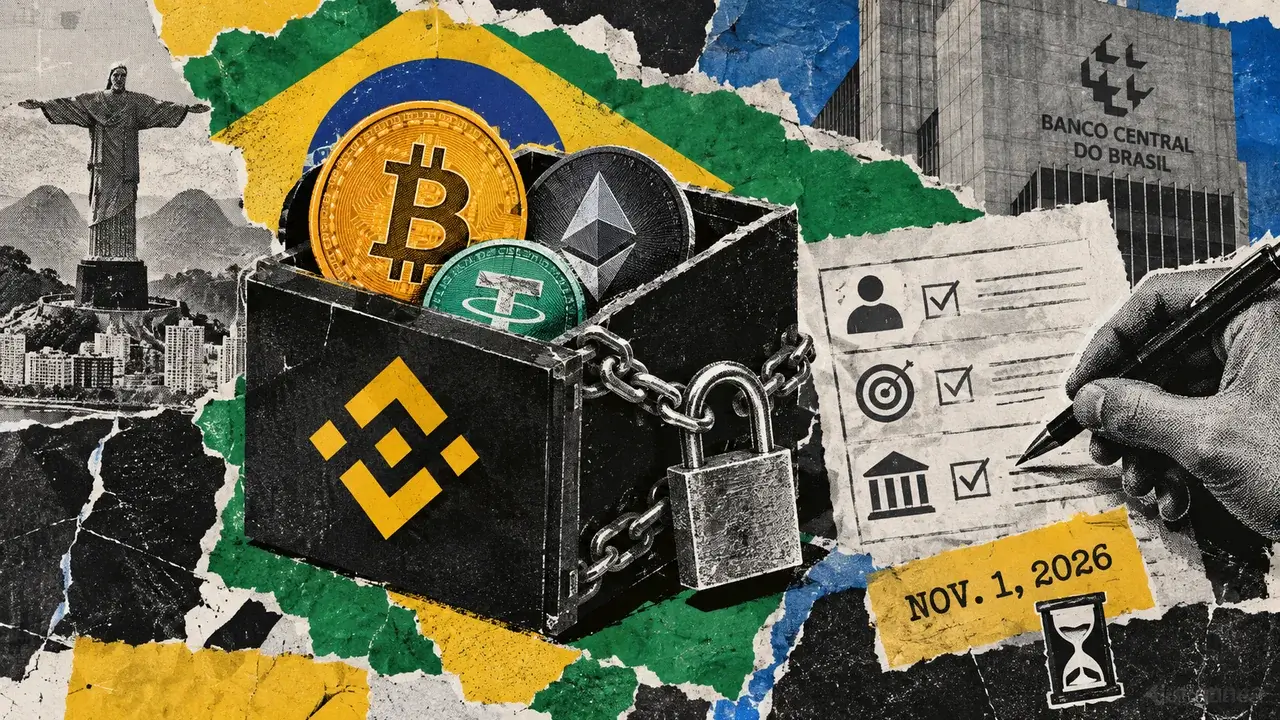
Binance will hold some Brazil crypto deposits until users explain where the money came from
Binance will require Brazilian users to provide additional information for cross-border crypto transfers starting Nov. 1. The exch...

Ethereum’s past outflow charts can change when more exchange wallets are identified
Coin Metrics has rebuilt Ethereum's historical Standard Flow Metrics, raising a timing problem for tests that treat exchange outfl...

Illinois backs delay to crypto tax rule after months of industry pushback
Illinois officials have joined crypto industry groups in seeking a six-month delay to the state’s controversial digital-asset tax....

Following the Bitget Hack: BitOK Traces 87.8 BTC as Stolen Funds Reach Mixers
Research and reporting by Alexander Manev, BitOK. Reporting and adaptation by Brave New Coin. Investigators following the Bitget h...