The Democrat’s 2024 Platform Overlooks Crypto Despite Early Promises
Despite assurances from senior Democratic leaders that Vice President Kamala Harris’s presidential campaign would deviate from the Biden administration’s stringent crypto policies, the official 2024 Democratic Party plat...
Archive context
Older archive item. Useful for background and entity history, but not a fresh market-moving signal.

Despite assurances from senior Democratic leaders that Vice President Kamala Harris’s presidential campaign would deviate from the Biden administration’s stringent crypto policies, the official 2024 Democratic Party platform has omitted any reference to cryptocurrency or digital asset regulations.
This decision has surfaced amidst a backdrop of varied national issues such as corporate oversight, housing, education, and extensive discussions on U.S. foreign policy and geostrategic influence contained within the 91-page document.
This week, the Democratic National Committee (DNC) released the final 2024 Democratic Party Platform, which will be voted on by delegates at the Convention tonight.
The platform was passed by the Platform Committee on July 16, prior to the President stepping aside. The Democrats say, “It makes a strong statement about the historic work that President Biden and Vice President Harris have accomplished hand-in-hand, and offers a vision for a progressive agenda that we can build on as a nation and as a Party as we head into the next four years.”
You can read the full Democratic Party Platform here.
Although the platform criticizes “corporate greed” and advocates for expansive government spending on social programs and the preservation of Social Security, it steers clear of addressing monetary debasement or implementing austerity measures to curb the U.S. government’s spiraling $35 trillion debt. This omission comes despite repeated cost-cutting rhetoric throughout the document.
The document fails to mention digital assets, Source: DNC
Skepticism From the IndustryCrypto industry leaders and investors have met these omissions with skepticism, especially after high-profile promises seemed to align the Harris campaign more closely with pro-crypto stances.
At the recent “Crypto4Harris” event, Senate Majority Leader Chuck Schumer emphasized the strategic necessity for the U.S. to embrace digital assets to maintain global competitiveness. However, his remarks at the virtual event hinted at no concrete policy shifts, focusing instead on broader strategic implications.
Furthermore, the absence of Vice President Harris from the “Crypto4Harris” event — despite being prominently featured in promotional materials — along with a lack of substantial policy discussions, has left supporters feeling underwhelmed. Instead of policy discourse, the event unfolded more as a generic rally with appeals for donations, leaving the crypto community longing for substantive engagement.
The scenario underscores a desperation within the Democratic Party to appeal to the tech and crypto sectors without fully grasping their core concerns. Schumer’s vague promises at the event to push for legislative progress by year’s end did little to reassure stakeholders, given the current administration’s track record with vetoing bipartisan efforts to relax crypto regulations.
As the platform moves towards finalization, and with political figures like former Republican candidate Vivek Ramaswamy voicing expectations for a last-minute rhetorical shift towards crypto from Harris, the Democratic campaign faces mounting pressure to clearly define its stance. This approach is critical as it competes for the influential crypto voting bloc, which has seen notable attention from other political figures, including Donald Trump, who has actively courted these voters with specific policy proposals at crypto-focused events.
The unfolding dynamics suggest that the Democratic Party’s engagement with cryptocurrency policy may become an issue as electoral campaigns intensify, with potential implications for both the party’s platform and broader U.S. policy orientations towards digital assets.
Gary Gensler as Treasury Secretary?Adding tension to the political debate, there is speculation in Washington that Vice President Kamala Harris might consider nominating SEC Chairman Gary Gensler as Treasury Secretary if she wins the upcoming presidential election. This speculation has stirred a mix of anticipation and concern among lawmakers and industry insiders. Critics, such as Representative Tom Emmer (R-Minn.), have expressed skepticism about Gensler’s potential nomination due to his aggressive regulatory approach at the SEC, which they argue could negatively impact the U.S. economy. Meanwhile, Democratic representatives like Elissa Slotkin (D-Mich.) and Ruben Gallego (D-Ariz.), backed by the pro-cryptocurrency group Fairshake PAC, could play crucial roles in the confirmation process, though their positions remain uncertain. This potential nomination highlights the ongoing tension and strategic maneuvers within U.S. financial regulatory circles, especially as the November elections approach. This speculation can’t be verified at this point, so file it under rumor.
Why this matters
This research story adds another data point to the current market tape and is useful when read alongside nearby source coverage.
Original source
Read on Brave New CoinRelated market context

Hyperliquid (HYPE) Price Today: HYPE Holds $80 Support Despite Mounting Bearish Pressure
CoinGecko data puts Hyperliquid’s market capitalization at approximately $18.04 billion and its daily trading volume near $918 mil...

Bybit Expands Beyond Crypto as CEO Outlines Next Phase of Financial Platform
Dubai, United Arab Emirates, October 13th, 2026, Chainwire Bybit Co-founder and CEO Ben Zhou has outlined the latest stage of the...

South Korea Exchange Ban Hits KuCoin, MEXC and 25 Other Platforms
South Korea Financial Intelligence Unit (FIU) disclosed that authorities had ordered a domestic access ban on 27 websites operated...

Binance to shut down mining pool and related services on November 10
The shutdown may drive miners to seek alternative platforms, potentially impacting Binance's market influence and the broader cryp...
Standard Chartered Launched UAE Crypto Trading
Standard Chartered launched a crypto trading service in the UAE on 14 October, allowing eligible Professional Investor clients to...
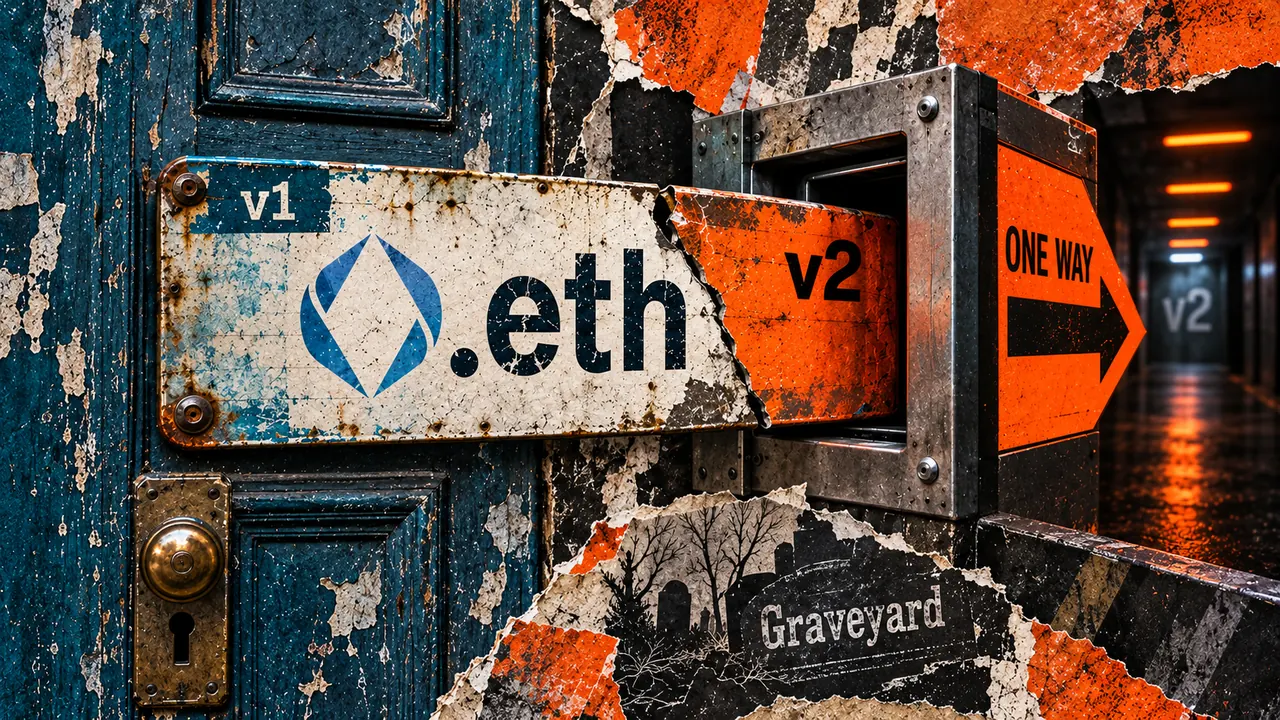
Ethereum Name Service plans major .eth overhaul with one irreversible catch for domain holders
Ethereum Name Service has proposed activating ENSv2 without requiring existing .eth domain holders to migrate to the new system. T...