The Future of Crypto in Europe: What Experts Say About MiCA in 2025
Designed to provide a harmonized framework for crypto-assets across the European Union, MiCA aims to address long-standing challenges in the sector, such as investor protection, market integrity, and financial stability....
Archive context
Older archive item. Useful for background and entity history, but not a fresh market-moving signal.

Designed to provide a harmonized framework for crypto-assets across the European Union, MiCA aims to address long-standing challenges in the sector, such as investor protection, market integrity, and financial stability.
This milestone not only signals a pivotal shift in how crypto businesses operate within the EU but also raises broader questions about its impact on global crypto adoption and innovation. As these regulations take effect, experts are weighing in on the profound changes they could bring to the rapidly evolving digital asset ecosystem.
MiCA’s Promised Reforms and Market ImpactMiCA introduces a standardized regulatory framework for crypto-assets across the European Union, covering all assets not previously addressed by financial laws. A cornerstone of the regulation is “license passportization,” enabling firms licensed in one EU country to conduct activities across the bloc. Marina Markezic, Co-Founder of the European Crypto Initiative (EUCI), emphasized the important ramifications this will have because places such as Germany, France, and Portugal could become new hubs by offering business-friendly regulatory regimes.
Source: X
The regulation is already influencing market dynamics. For instance, stablecoin giants such as Tether have withdrawn from the European market due to compliance challenges, reducing diversity and potentially affecting liquidity. Meanwhile, the recent rally of Bitcoin past $100,000 underlines growing interest in digital assets further catalyzed by the introduction of consumer protection and anti-market abuse by MiCA.
Opportunities and Obstacles for BusinessesOKX Europe General Manager Erald Ghoos dubbed 2025 a “transformative year” for the crypto market, in which MiCA would deliver increased stability and security to investors. Yet the regulation is an onerous beast: compliance obligations will be demanding – especially for smaller players. Issuers of ARTs and EMTs are now required to draft exhaustive whitepapers, and are subject to stringent AML and CTF requirements. This can create barriers to entry and even operational costs for new players, especially.
Critics say MiCA’s tough requirements could have an unintended effect of choking off innovation. Markezic added that a lack of clarity from regulators around DeFi and NFTs could mean friction; there is also the possibility of confusion due to different interpretations of MiCA in the EU’s 27 member states.
The Strategic Shift in Europe’s Crypto PolicyAmid MiCA’s rollout, debates around Europe’s broader crypto strategy are intensifying. European lawmaker Sarah Knafo recently proposed establishing a strategic Bitcoin reserve, mirroring similar ideas floated in the U.S. While this idea has sparked discussion, Markezic cautioned that such a move would require careful consideration of Bitcoin’s volatility and strategic importance.
Source: X
MiCA’s impact extends beyond market structure. It represents a significant shift in the EU’s approach to digital finance, potentially setting a global benchmark. However, with regulatory developments in the U.S.—including a more crypto-friendly stance anticipated under the incoming Trump administration—Europe’s attractiveness to crypto firms might face challenges.
The Road AheadAs MiCA takes full effect, the focus will shift to its real-world implications. Businesses must navigate complex compliance landscapes while balancing innovation and risk management. Institutionalization and consolidation are expected to intensify, with mergers between traditional finance and crypto-native firms becoming more common.
While MiCA represents a monumental step toward regulatory clarity, its stringent requirements highlight the need for a collaborative approach between regulators and industry players. As the crypto industry evolves, Europe’s ability to foster innovation while maintaining robust safeguards will define its role in the global digital economy.
Why this matters
This research story adds another data point to the current market tape and is useful when read alongside nearby source coverage.
Original source
Read on Brave New CoinRelated market context

From TOKEN2049 to Ecosystem Co-Building: HTX Advances Its Multifaceted Engagement Across the Global Crypto Industry
Singapore, October 12, 2026 – From October 6 to 8, the global crypto industry turned its attention to Singapore for TOKEN2049, a m...

Evernorth XRP Treasury Merger Brings 473 Million XRP to Nasdaq as XRPN Debuts October 12
The transaction gives public-market investors another route to gain exposure to XRP through a company that actively manages its di...
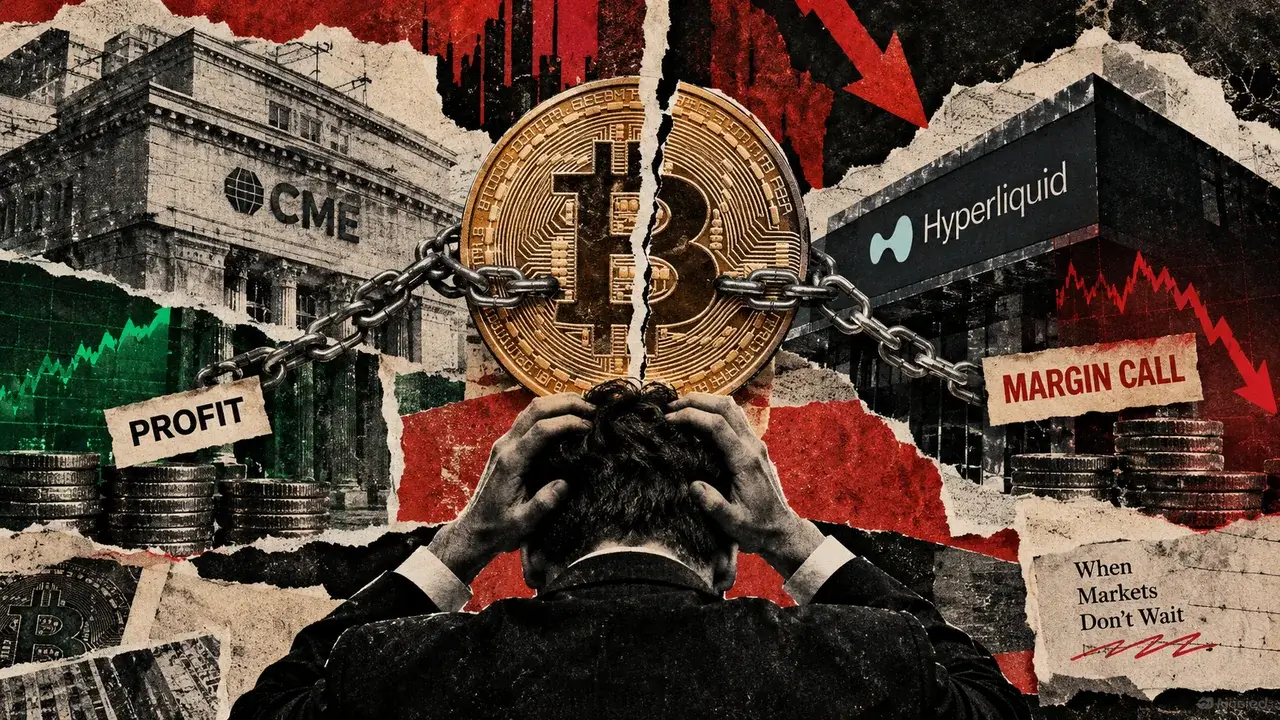
Bitcoin hedge funds face a liquidation trap when their collateral is split across markets
Here's a hypothetical situation: a hedge fund is making money, but one of its exchanges is about to liquidate its position anyway....

Bank of England says it will be ‘the banker to the stablecoin’
The Bank of England's support for stablecoins could enhance financial stability and innovation, influencing global regulatory appr...

XRP’s next Wall Street expansion comes with an unexpected complication from Ripple
Evernorth is preparing to begin trading on Nasdaq on Monday, bringing approximately 473 million XRP into a publicly traded treasur...

Stealing $1.5B in crypto is easy, cashing out is the trap
North Korean hackers stole around $1.5 billion from Bybit in February 2025. While the hack itself has been widely covered and anal...