The More UK & US Crypto Traders Know, The More They Risk - Survey
Cryptocurrency traders in the US and the UK are showing a growing tolerance for risk as they gain experience, according to a report by major payments solutions provider Paysafe. The survey was commissioned by Paysafe and...
Archive context
Older archive item. Useful for background and entity history, but not a fresh market-moving signal.
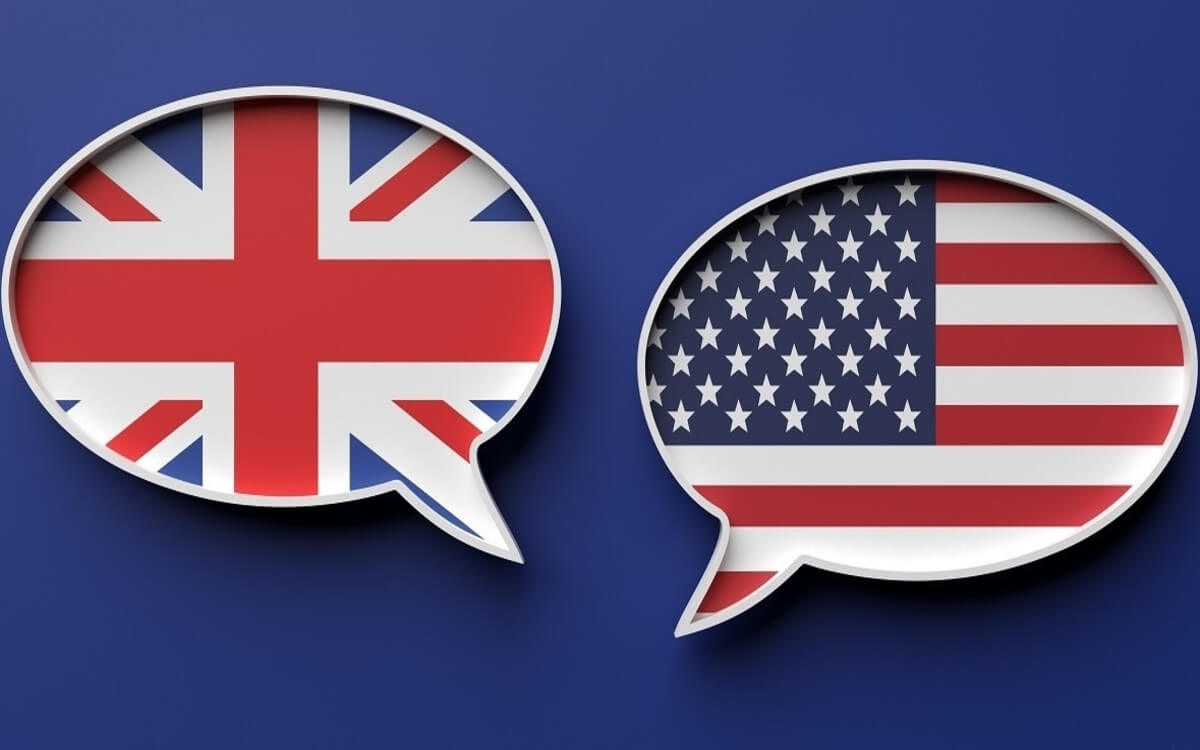
Cryptocurrency traders in the US and the UK are showing a growing tolerance for risk as they gain experience, according to a report by major payments solutions provider Paysafe.
The survey was commissioned by Paysafe and conducted online by independent research house Sapio Research last October among 2,015 consumers living in the two countries. ...
Read More: The More UK & US Crypto Traders Know, The More They Risk - Survey
Why this matters
This research story adds another data point to the current market tape and is useful when read alongside nearby source coverage.
Original source
Read on CryptonewsRelated market context

Bitcoin options traders lean into upside as short-dated calls gain favor
The shift towards call options suggests growing optimism in Bitcoin's future, potentially driving increased volatility and market...
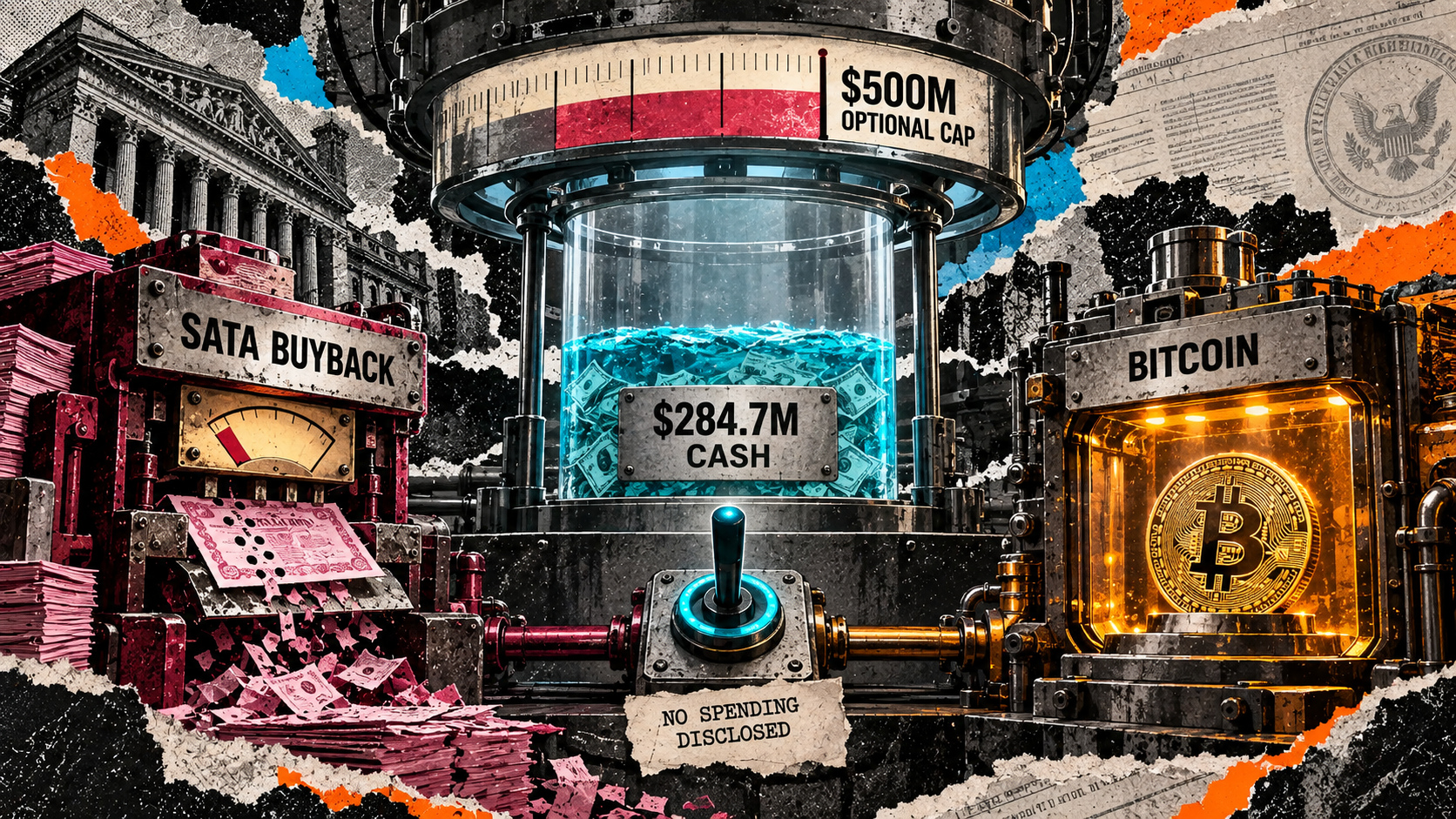
Bitcoin treasury Strive risks cash reserve to fund $500M buyback and trim dividends
Bitcoin treasury company Strive disclosed an optional program to repurchase up to $500 million of its variable-rate perpetual pref...

Top Bitcoin Blockchain Visualizers For Your Home And Office
Bitcoin Magazine Top Bitcoin Blockchain Visualizers For Your Home And Office Bitcoin is often talked about in very abstract terms:...
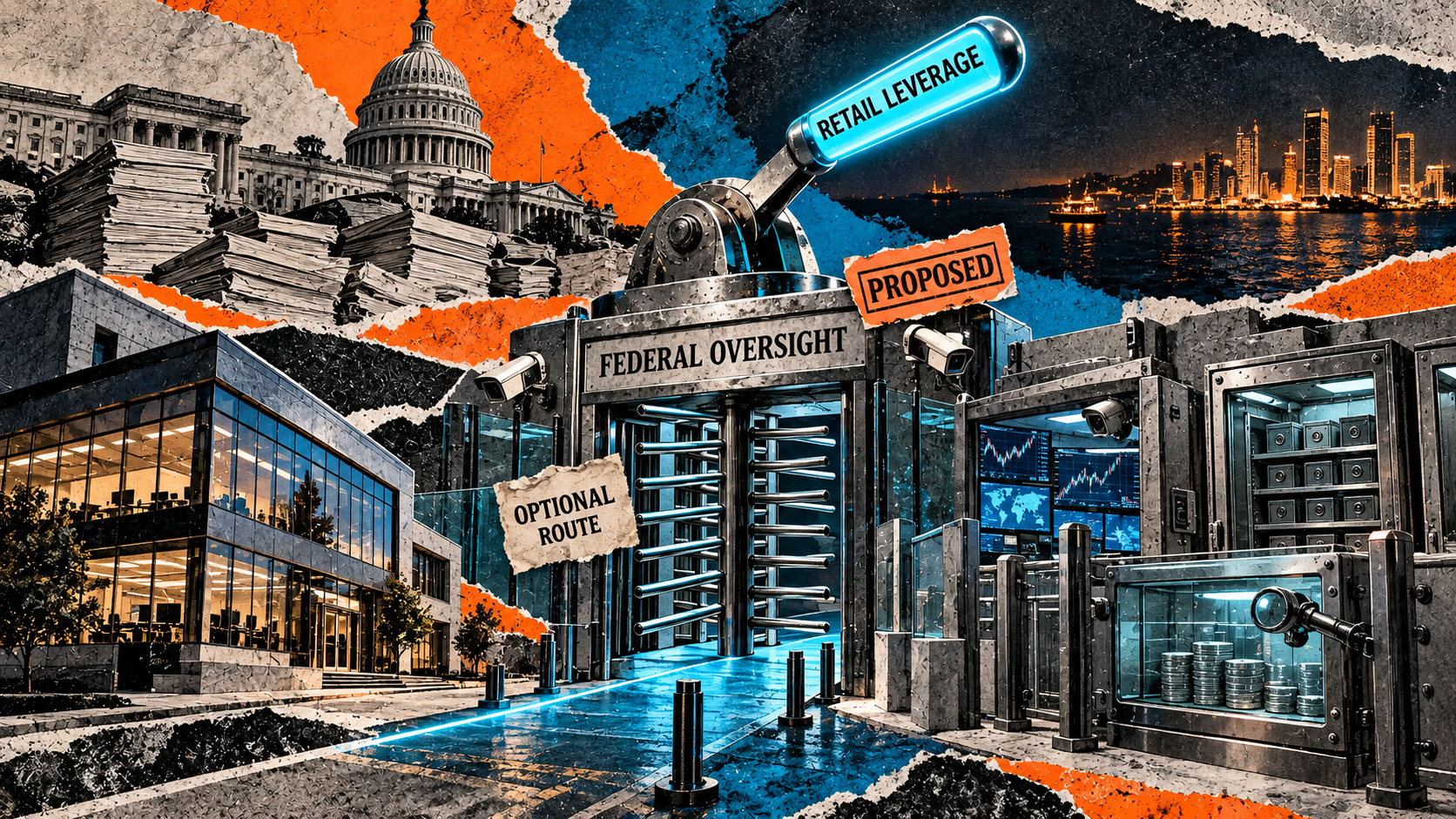
CFTC makes its biggest move yet to bring offshore crypto trading back to the US
The Commodity Futures Trading Commission (CFTC) is offering US crypto exchanges a federal route to retail leverage as Congress rem...

Fugazi Research calls Stablecoin Development Corporation stock uninvestable
Fugazi's report highlights significant risks for SDEV, potentially impacting investor confidence and raising concerns about token-...
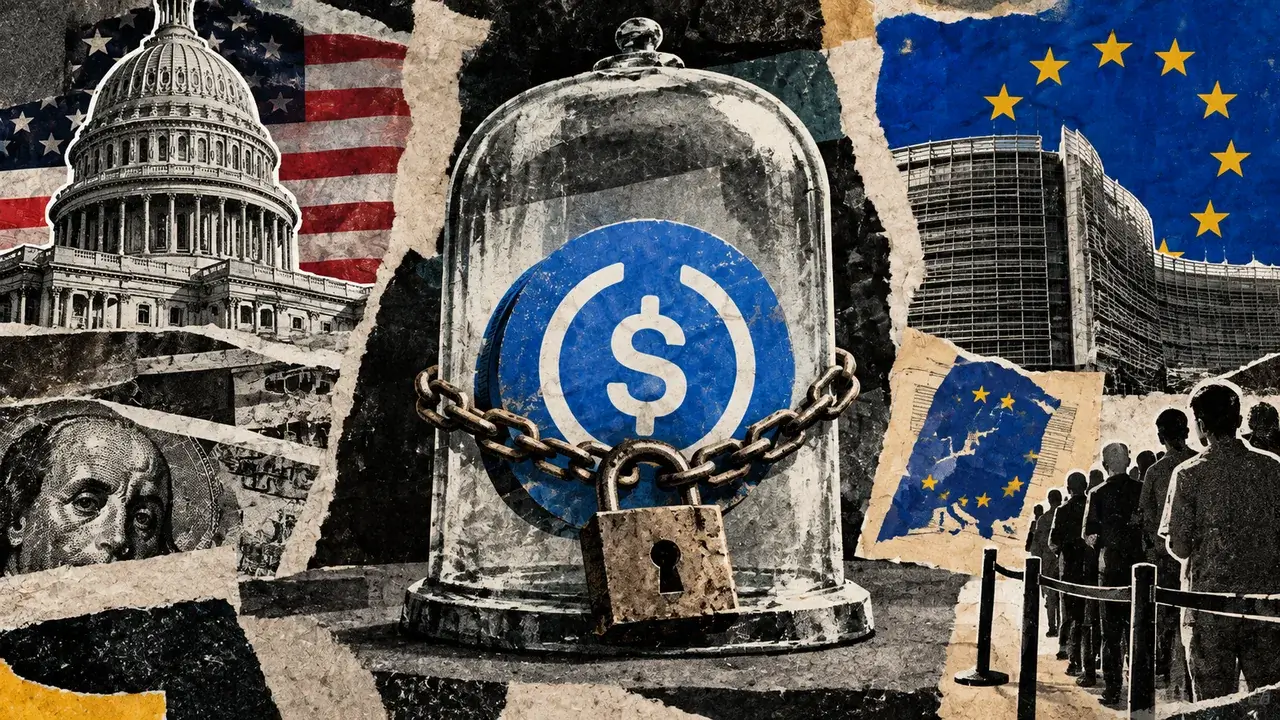
Circle and Tether find common ground against MiCA’s bank reserve rules
Circle is urging the European Union to open its Markets in Crypto-Assets Regulation (MiCA) to foreign-regulated stablecoins and lo...