The Sandman’s Legacy: From Graphic Underground to Streaming Hit
Neil Gaiman’s The Sandman has defied the odds. What started as an underground comic book series in 1989 became a multi-decade pop culture phenomenon. Now, thanks to Netflix’s visually sumptuous, big-budget series, The Sa...
Archive context
Older archive item. Useful for background and entity history, but not a fresh market-moving signal.

Neil Gaiman’s The Sandman has defied the odds. What started as an underground comic book series in 1989 became a multi-decade pop culture phenomenon. Now, thanks to Netflix’s visually sumptuous, big-budget series, The Sandman has returned to thrill a new generation of fans, and it’s as fresh and otherworldly as ever. This isn’t your typical superhero tale; instead, The Sandman is a rich, complex narrative about the power of dreams, myth, and the universal struggle of existence. Generation X readers who’ve been fans since the early days can’t help but marvel as today’s viewers discover Morpheus, aka Dream, and his surreal world. It’s a testament to Gaiman’s uncanny ability to craft stories that feel simultaneously ancient and cutting-edge, familiar yet just out of reach.
Tom Sturridge is perfectly cast as Morpheus, Source: Netflix
Neil Gaiman’s Impact on CultureBefore The Sandman, Gaiman had already begun carving out his place in literature, but it was this series that solidified his reputation as a master of mythic storytelling. Gaiman brought a unique literary gravitas to comic books, blending classic mythology, historical figures, and contemporary concerns. What he created with The Sandman wasn’t just a comic but a tapestry that would redefine what graphic novels could be.
Gaiman’s works often sit at the crossroads of fantasy, horror, and existential reflection. He managed to create stories that spoke to a disenchanted generation and inspired later generations to embrace graphic novels as more than mere escapism. Through The Sandman and beyond, Gaiman’s legacy is in how he elevates genre fiction, reminding us that fantasy can hold a mirror up to society and reflect our own flawed humanity. Today’s explosion of comic book adaptations owes a nod to Gaiman for helping push the boundaries, making it acceptable for comics to delve into “grown-up” topics—philosophical debates, dark themes, and multilayered characters.
The man, the myth, the legend, Source: The New York Times
Breaking Down the Endless: Dream and His FamilyAt the heart of The Sandman is Dream, also known as Morpheus, the ethereal yet deeply flawed ruler of the Dreaming. Dream is part of the “Endless,” a family of seven anthropomorphic beings representing universal aspects: Destiny, Death, Desire, Despair, Delirium, Destruction, and, of course, Dream. Each embodies a fundamental force, but they’re also like any other dysfunctional family. Dream’s siblings constantly challenge him, often pushing him to question his own purpose and existence.
Dream himself is not your classic protagonist. He’s stoic, stubborn, and often coldly detached. Yet, his journey is one of self-discovery as he contemplates whether he can—or even should—change. This evolution makes him endlessly relatable, as he struggles with aspects of humanity he doesn’t fully understand but is still bound by, like forgiveness and love. Dream’s journey through his own realm and interactions with other realms bring about conflicts not just with external forces, but within himself, exploring what it truly means to have power and responsibility.
The Endless reflect the complexity of human experience, with Death as a particularly standout character. Death is compassionate, lively, and oddly joyful, embodying a perspective on mortality that defies the grim stereotype. In this way, Gaiman reimagines ancient concepts with a modern twist, redefining how we view these eternal entities.
The Endless in print, Source: DC Comics
Why The Sandman Keeps Its MagicWhat makes The Sandman resonate across generations? Firstly, Gaiman’s world-building creates a universe where anything seems possible, yet everything feels significant. From Shakespearean dreams to cosmic beings debating the meaning of life, Gaiman’s stories are never bound by genre or convention. His stories are rooted in familiar mythologies but challenge these myths, reimagining them through a contemporary lens.
There’s also something timeless in The Sandman’s themes. Issues like the search for identity, the balance between duty and desire, and the inevitability of change are universally relevant. It’s a series that invites readers to ponder life’s big questions and isn’t afraid to leave some unanswered. And in a world increasingly obsessed with instant gratification, the slow, deliberate pace of The Sandman feels almost rebellious.
Then there’s the visual aspect, which has become iconic in itself. Gaiman’s collaboration with artists like Dave McKean and Sam Kieth gave the comics a distinct look, blending horror, surrealism, and dark beauty. Netflix’s adaptation builds on this with a cinematic flair that pulls viewers straight into the Dreaming. The series may have received some mixed reviews, but its sheer ambition and visual splendor keep fans coming back for more.
Sand and Dream, Source: DC Comics
The Rise of the Dreaming: The Sandman’s Cultural ResurgenceThe Netflix series has reinvigorated The Sandman in a way that’s both nostalgic and fresh, pulling in fans alongside newer audiences. In today’s entertainment landscape, where superhero franchises dominate, The Sandman offers something different: a meditative, richly layered story that doesn’t rely on traditional heroics. In fact, The Sandman exists almost in opposition to the classic superhero narrative, making it all the more appealing to a culture weary of endless sequels and formulaic plots.
Through the series, we see a more empathetic side to Dream, and Gaiman’s original narrative becomes accessible to a broader audience without losing its edge. This balance of fidelity to the source material and new storytelling ensures The Sandman’s relevance in a rapidly shifting pop culture landscape.
In the Dreaming, Source: Netflix
A Legacy That Never SleepsThe Sandman isn’t just a story; it’s an experience, one that continues to shape and reflect the world around it. Its themes of identity, transformation, and the eternal battle between duty and freedom resonate today just as they did in 1989. And with new interpretations and audiences, Gaiman’s work proves that some dreams truly are eternal.
Why this matters
This research story adds another data point to the current market tape and is useful when read alongside nearby source coverage.
Original source
Read on Brave New CoinRelated market context
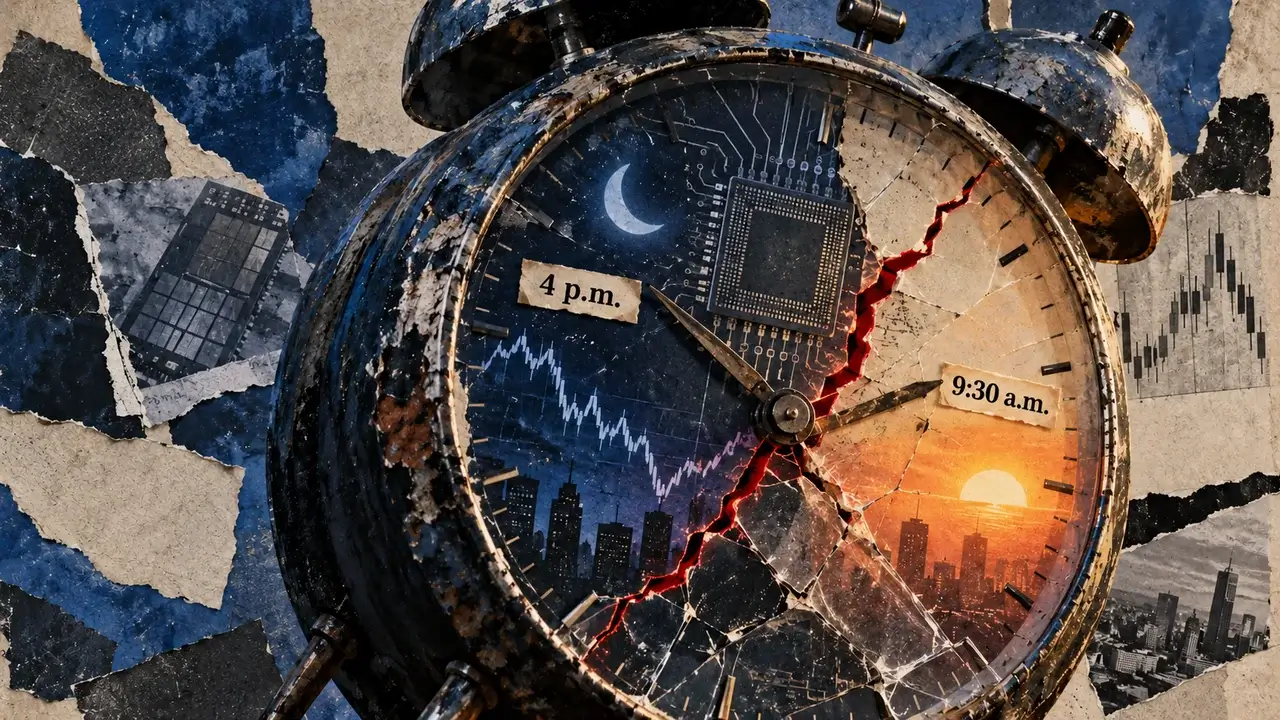
What happens when crypto trades stocks while Wall Street sleeps?
Wall Street closes at 4 p.m., but apparently that's becoming more of a suggestion than a rule. You can now spend the evening watch...
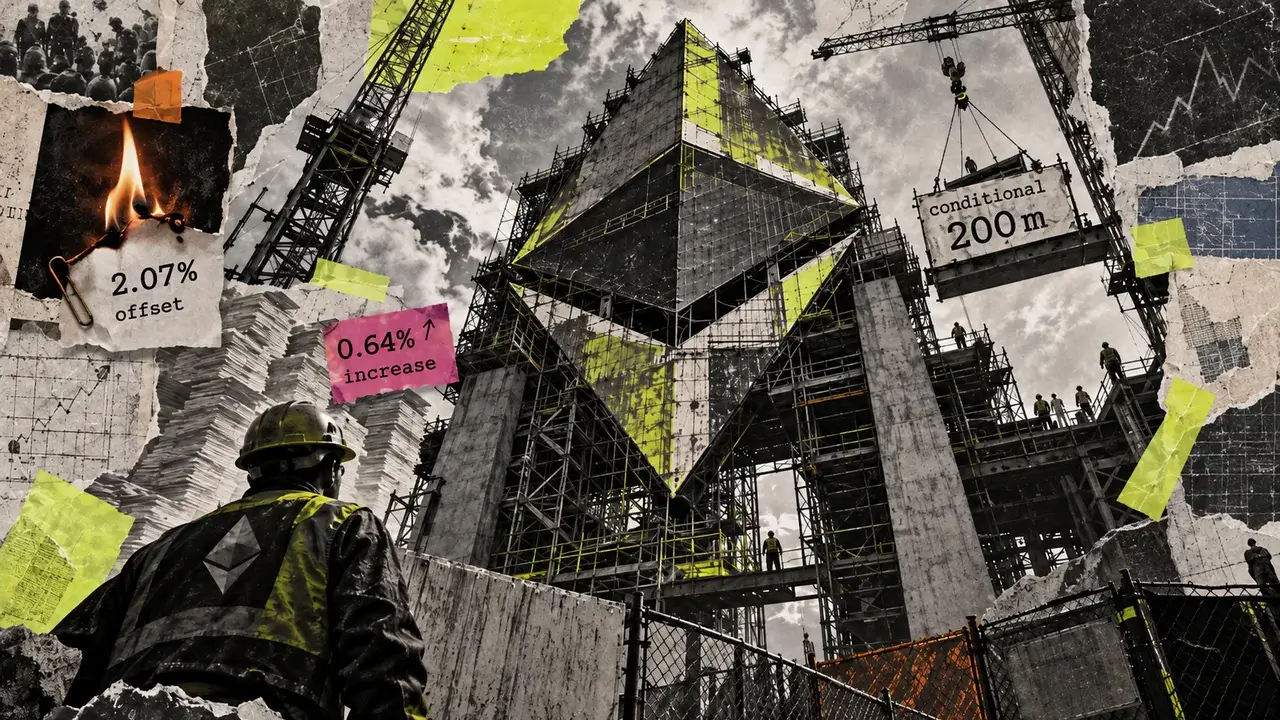
ETH fee burns cover just 2% of new coins printed in 2026
Ethereum's transaction fees have burned enough ETH to offset just 2.07% of the new coins issued in 2026, according to an Oct. 9 su...
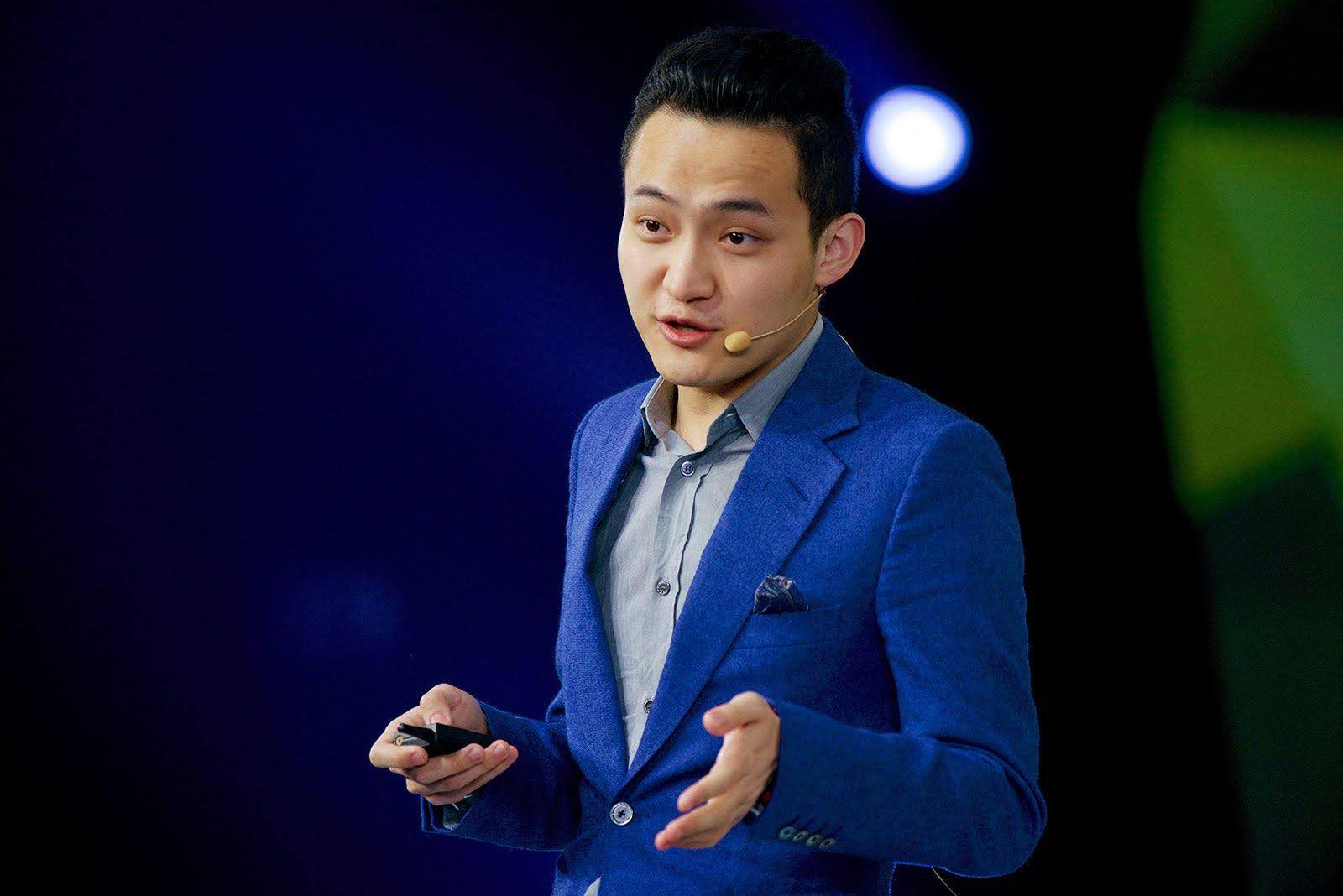
Justin Sun’s $2.25B Crypto Portfolio Includes $1.09B in SUSDS Across 10 Blockchains
Key Takeaways: Earlier, Arkham reported that it tracks around $2.25 billion worth of on-chain assets for Justin Sun, spanning 10 d...

XRPL branded ‘cheap’ for paying infinite XRP exploiter just $250K
Crypto sleuth ZachXBT says the XRP Ledger Foundation (XRPL) can potentially look forward to losing upwards of $100 million next ti...

What Is Crypto Spot Trading?
For example, a token can be up 70% and still be a terrible trade if you have no idea when to take profits. Likewise, a 30% dip can...

From TOKEN2049 to Ecosystem Co-Building: HTX Advances Its Multifaceted Engagement Across the Global Crypto Industry
Singapore, October 12, 2026 – From October 6 to 8, the global crypto industry turned its attention to Singapore for TOKEN2049, a m...