U.S. Crypto Policy Bombshell Incoming: 180-Day Report to Be Released July 30
Key Takeaways: The U.S. government will release a long-awaited 180-day crypto policy report on July 30. The report may include guidance on stablecoins, custody, CBDCs, and token classifications. Leaked details suggest a...
Archive context
Older archive item. Useful for background and entity history, but not a fresh market-moving signal.
Key Takeaways:
- The U.S. government will release a long-awaited 180-day crypto policy report on July 30.
- The report may include guidance on stablecoins, custody, CBDCs, and token classifications.
- Leaked details suggest a plan for a Strategic Bitcoin Reserve using nearly 200,000 seized BTC.
A seismic shift in U.S. crypto policy is just days away. On July 30, the White House’s President’s Working Group on Digital Assets will publicly unveil its most comprehensive crypto framework to date, a move that could realign how the world’s largest economy approaches Bitcoin, Ethereum, stablecoins, and even central bank digital currencies.
A New Crypto Era? U.S. to Unveil Landmark Policy BlueprintFor months, crypto investors, legal experts, and policymakers have been speculating about the U.S. government’s long-term vision for digital assets. Now, the wait is nearly over.
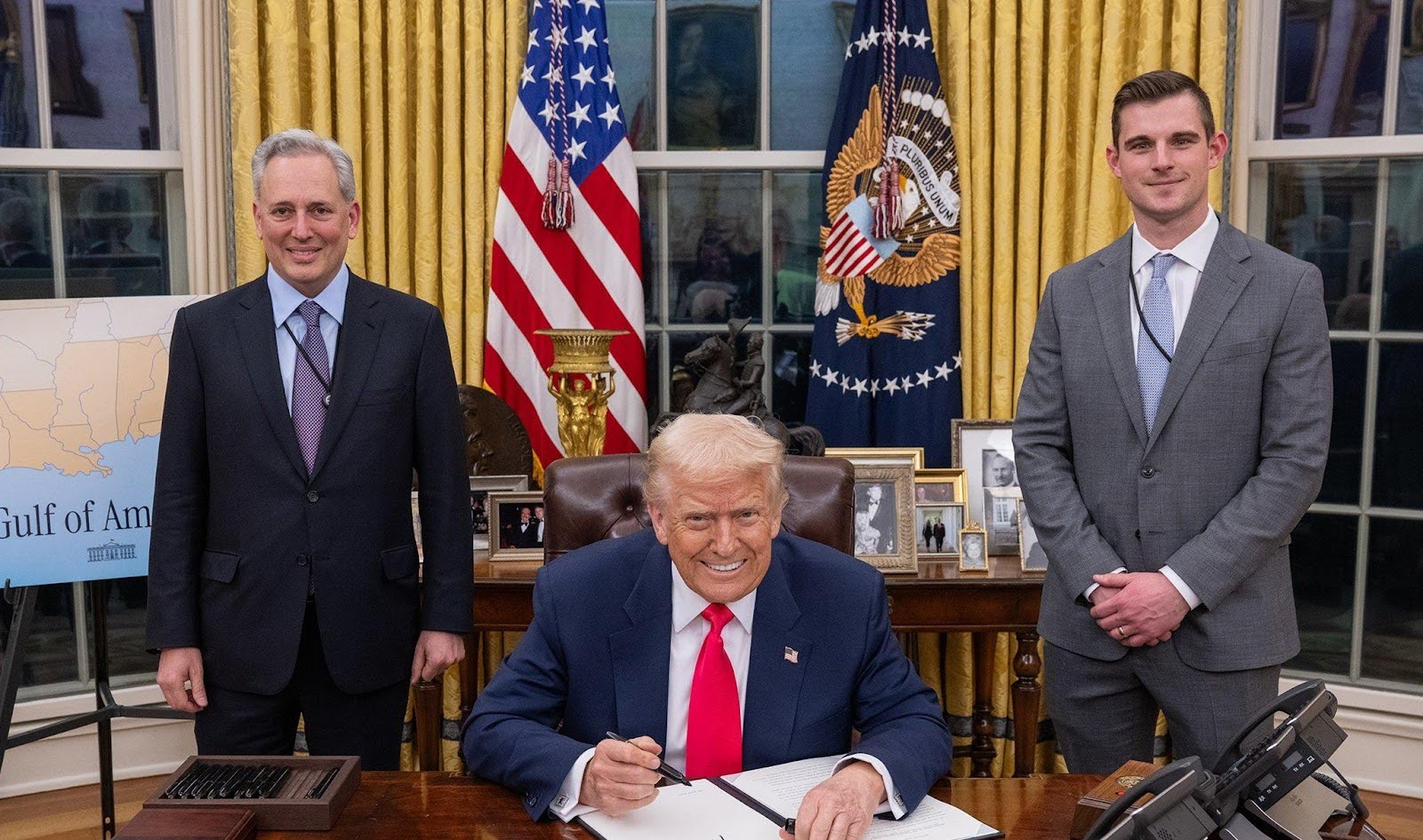
Bo Hines, Executive Director of the President’s Council of Advisers for Digital Assets, confirmed on July 24 that the 180-day review on digital asset regulation is complete, and the full report will be made public on July 30.
“America is now leading the way on digital asset policy,” Hines posted on X.
Read More: Trump Administration Seeks to Build Largest U.S. Bitcoin Reserve
Industry insiders are already calling it a make or break moment for crypto in the U.S. This is the first time the federal government is expected to present a unified approach to crypto regulation, potentially defining everything from Bitcoin custody rules to token classifications that will impact altcoins like XRP, ETH, and newer blockchain-based assets.
What the Report Could Contain Stablecoin FrameworksThe report is expected to outline who can issue stablecoins, under what conditions, and which federal agencies will oversee them. Recent moves by Congress including the GENIUS Act signed by President Trump, already require stablecoin issuers to be federally approved financial institutions.
This could significantly raise the compliance bar for projects like USDC, USDT, and algorithmic stablecoins like DAI, while potentially opening the door for banks and trusted credit unions to launch their own digital dollars.
Token Classification: Securities vs. CommoditiesOne of the most hotly debated areas in crypto policy is how to classify digital tokens. The upcoming report may propose a clearer framework to distinguish between tokens that fall under the jurisdiction of the SEC (securities) and those overseen by the CFTC (commodities).
Such clarity could have direct implications for projects currently in legal limbo, especially XRP, which has faced multiple enforcement actions from the SEC, and Ethereum, which some officials have debated labeling as a security post-merge.
Custody & Investor ProtectionThe report is also expected to define who can legally custody digital assets in the U.S. With the increasing involvement of institutions, pension funds, and registered investment advisors in crypto, custody frameworks are critical to ensuring client asset protection and industry trust.
It may also introduce new auditing and reserve requirements for custodians, especially those managing seized or government-held crypto.
Strategic Bitcoin Reserve, A National Crypto Play?One of the most sensational elements of the upcoming report is the rumored inclusion of a Strategic Bitcoin Reserve, echoing models used for oil and gold.
According to sources familiar with early drafts, the reserve would be built primarily using Bitcoin seized by law enforcement, which currently totals around 200,000 BTC, according to public court records and federal asset forfeiture data.
Read More: Texas Proposes Strategic Bitcoin Reserve Amid Push for Crypto Sovereignty
At current prices (~$118,000 per BTC), that equates to over $23.6 billion in assets. The reserve would serve multiple functions:
- Hedge against fiat devaluation and inflation
- Position the U.S. competitively in a future crypto-driven global economy
- Provide backing for digital dollar pilots or hybrid CBDC instruments
Draft proposals reportedly recommend a 20-year minimum holding period for any Bitcoin allocated to the reserve, mimicking traditional strategies used for managing strategic gold or oil reserves.
CBDCs and the Digital Dollar DebateThe report is also expected to address the growing debate around central bank digital currencies (CBDCs). While some factions in Washington remain skeptical of a “programmable dollar,” others see it as a necessary step to compete with China’s digital yuan and maintain U.S. dominance in global finance.
The framework may outline early principles for a U.S. CBDC pilot, likely leveraging private sector infrastructure, including stablecoin platforms and regulated blockchains.
Rather than launching a retail-facing dollar immediately, the U.S. could pursue a “wholesale CBDC” approach, enabling real-time interbank settlements and cross-border remittances with enhanced transparency.
Congress and Crypto: Alignment or Collision?Beyond the executive report, momentum on Capitol Hill is building. The Senate Banking Committee is actively drafting a crypto market structure bill, aiming to resolve regulatory turf wars between the SEC and CFTC. Meanwhile, Senator Cynthia Lummis has reintroduced the BITCOIN Act, which proposes the U.S. acquire 1 million BTC over five years.
That would add pressure on global supply, especially considering the total cap of Bitcoin is just 21 million coins. If aligned with the executive branch’s Strategic Reserve plans, this could signal institutional-level demand for Bitcoin unseen since MicroStrategy’s 2021-2022 buying spree.
The post U.S. Crypto Policy Bombshell Incoming: 180-Day Report to Be Released July 30 appeared first on CryptoNinjas.
Why this matters
This research story adds another data point to the current market tape and is useful when read alongside nearby source coverage.
Original source
Read on CryptoNinjasRelated market context

Citrini Research Says Tokenized Assets and AI Agents Make Crypto a Fundamentals Trade
Citrini Research published a report on Thursday arguing that AI agents and tokenized assets have opened a new paradigm of “fundame...

Ripple Custody Adds Canton Network Support, Bringing CC and CIP-56 Into One Vault
Key Takeaways: Ripple Custody 1.43 adds support for Canton Network, CC and CIP-56 tokens. Institutions can be given the same custo...

LiquidAcre Selects Uphold to Power Digital Asset Infrastructure and Future Tokenized Real Estate Offerings
LiquidAcre, a financial technology company building a platform designed to expand access to real-world assets and digital financia...

U.S. Government Sends $1 Billion in Seized Bitfinex Bitcoin to Unlabeled Wallets
A wallet holding bitcoin stolen in the 2016 Bitfinex hack sent 12,267 BTC, worth about $1.01 billion, to new addresses on Thursday...
SEC adds crypto assets to its November 19 compliance seminar for advisers
The inclusion of crypto assets in the SEC seminar signals increased regulatory focus, potentially shaping future compliance and ma...

US to seize $1B in crypto assets to pressure Iran amid ongoing conflict
The U.S. crypto asset seizure may hinder diplomatic progress, reducing chances for a U.S.-Iran deal and affecting regional stabili...