U.S. Judge Condemns FDIC’s ‘Lack of Good Faith’ Over Coinbase FOIA Redactions
The legal dispute revolves around the FDIC’s “pause letters”—communications sent to financial institutions advising them to halt or avoid expanding crypto-related services. This case, filed under the Freedom of Informati...
Archive context
Older archive item. Useful for background and entity history, but not a fresh market-moving signal.

The legal dispute revolves around the FDIC’s “pause letters”—communications sent to financial institutions advising them to halt or avoid expanding crypto-related services. This case, filed under the Freedom of Information Act (FOIA), seeks to shed light on alleged governmental efforts to hinder cryptocurrency innovation.
Court Demands TransparencyJudge Ana Reyes of the District Court in Washington, D.C., issued an order on December 12 directing the FDIC to amend its redactions and submit the records again by January 3, 2025. The judge underlined the need for openness, saying that the agency’s present strategy demonstrated a lack of good faith.
“Defendant cannot simply blanket redact everything that is not an article or preposition,” Judge Reyes wrote. She added that the FDIC must justify each redaction and ensure that the revised documents align with FOIA’s transparency requirements.
The heavily redacted “pause letters” are central to the case. These documents reportedly include directives sent to 23 financial institutions, urging them to pause or limit their crypto-related activities. In some instances, entire pages of these letters were censored, prompting questions about the FDIC’s motives.
Coinbase’s Allegations and ConcernsCoinbase has been outspoken in its criticism of the FDIC’s policies. Paul Grewal, Coinbase’s Chief Legal Officer, claims that the redactions are part of a larger campaign to repress the crypto business. In a December 12 post on X, Grewal questioned the FDIC’s excessive secrecy, asking, “What is [the FDIC] working so hard to hide?”
This lawsuit follows Coinbase’s earlier disclosure of documents suggesting that federal agencies, including the FDIC, were involved in “Operation Chokepoint 2.0.” This alleged initiative sought to cut off financial services to cryptocurrency businesses. According to Coinbase, these actions represent a coordinated attempt to stifle crypto innovation and limit the industry’s growth.
Source: X
The court’s ruling could have far-reaching consequences for how federal agencies handle FOIA requests. By mandating more thoughtful redactions, the decision reinforces the importance of accountability and transparency in governmental operations. Legal experts suggest that non-compliance with the ruling could lead to further legal challenges, potentially exposing additional internal processes to public scrutiny.
Ripple Effects on U.S. Regulatory FrameworkThis controversy comes amid discussions of significant regulatory reforms. Reports indicate that former President Donald Trump’s transition team has considered merging or eliminating agencies like the FDIC. Such proposals mirror broader arguments over the function and structure of the United States financial regulators.
Meanwhile, Coinbase continues to push for a more crypto-friendly regulatory climate. The exchange recently revealed ambitions to diversify its revenue streams by offering staking rewards, stablecoin fees, and subscription services. This would help the firm reduce its dependence on market volatility and position itself as resilient in the evolving crypto landscape.
Industry stakeholders and those watching from a legal perspective will be watching the FDIC’s response to the court’s ruling closely. With the deadline of January 3 approaching, the case reflects an increased tension between regulatory agencies and the cryptocurrency sector. A resolution may set a precedent for future FOIA cases and influence the greater regulatory landscape for digital assets in the United States.
Why this matters
This research story adds another data point to the current market tape and is useful when read alongside nearby source coverage.
Original source
Read on Brave New CoinRelated market context

South Korea’s Jeonbuk Bank Lends Won Against Bitcoin, Using Court Sales for Defaults
Jeonbuk Bank, a regional South Korean lender, has extended a corporate loan in won secured by Bitcoin, under a setup in which the...

Financial Stability Board warns of untested stablecoin risks in crises
The FSB's warning highlights the urgent need for robust global regulatory frameworks to manage stablecoin risks and ensure financi...
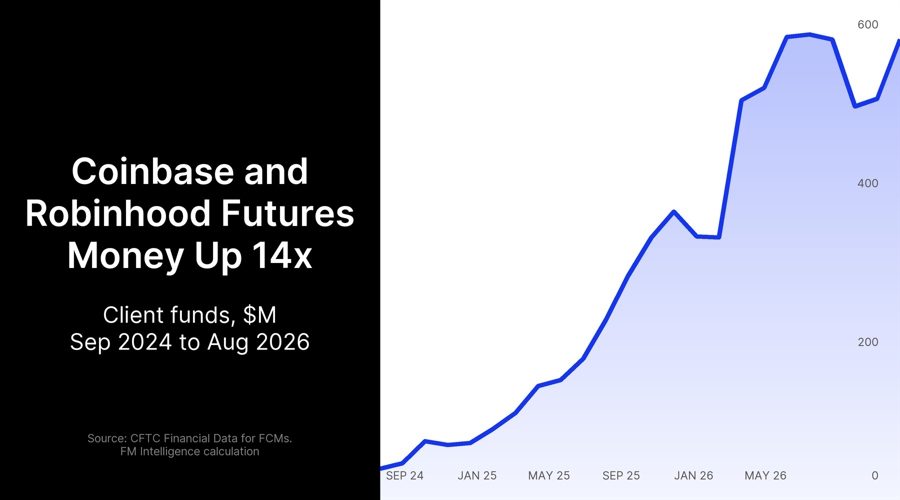
Coinbase and Robinhood Futures Arms Now Hold More Client Money Than the US Retail Forex Pool
The futures brokers of Coinbase and Robinhood held $581.4 million of segregated client money at the end of August. That is more th...

Coinbase and Gennius plan ONED USD stablecoin access through Latin American banks
Coinbase's partnership with Gennius could reshape Latin American banking by integrating stablecoins, enhancing financial inclusion...

Evernorth names Coinbase veteran Hugo Jeandesboz CIO as XRPN starts trading on Nasdaq
Evernorth's active management strategy could redefine corporate crypto treasuries, offering potential growth but introducing new r...

Coinbase CEO Brian Armstrong praises SEC’s proposal for private market access
The SEC's proposal could democratize private market access, potentially reshaping investment landscapes and expanding opportunitie...