What 2025 Could Bring for Crypto: Stricter Oversight and Global Shifts
Developments in 2024 – from the shuttering of anonymous Bitcoin ATMs in Spain to new guidelines in the Philippines – offer a preview of more stringent regulatory measures expected to shape the market in the coming year....
Archive context
Older archive item. Useful for background and entity history, but not a fresh market-moving signal.

Developments in 2024 – from the shuttering of anonymous Bitcoin ATMs in Spain to new guidelines in the Philippines – offer a preview of more stringent regulatory measures expected to shape the market in the coming year.
Europe: From Anonymous ATMs to Uniform Rules End of Anonymous Bitcoin ATMs in SpainSpain’s once-thriving network of anonymous Bitcoin ATMs is closing under newly enforced European Union rules. For transactions exceeding €990, operators must now verify users’ identities.
This abrupt change arrives as part of the EU’s wider push to strengthen anti-money laundering efforts, particularly after years of largely unregulated crypto activity.
“These unregulated transactions are being phased out,” one industry observer noted, citing the EU’s goal to clamp down on money laundering and terrorist financing.
A Bitcoin ATM, Source: BNC
MiCA Enforcement in December 2024The Markets in Crypto-Assets (MiCA) regulation – introduced in May 2023 and gradually rolled out this year – imposes strict Know Your Customer (KYC) requirements and heightened scrutiny on cryptocurrency transactions. The European Securities and Markets Authority (ESMA) has confirmed that the final wave of MiCA rules will take effect on December 30, 2024, covering market abuse and insider trading.
Despite MiCA’s phased implementation, industry experts warn that both companies and regulators remain unprepared.
“The cryptocurrency industry is not ready for MiCA,” said Delphine Forma, Head of UK and EU Policy at Solidus Labs. “Regulators are not ready… Some countries haven’t even implemented an enforcement law.”
Looking ahead to 2025, ESMA and other European authorities plan further guidance on the classification of crypto-assets, including asset-referenced tokens (ARTs) and electronic money tokens (EMTs).
The goal, according to a December 2024 release by the EU’s three supervisory agencies, is to “facilitate consistency in the regulatory classification of crypto-assets” and reduce the risk of regulatory arbitrage.
The Philippines: New Standards for Service ProvidersAcross the globe, the Philippine Securities and Exchange Commission (SEC) is forging its own path with a draft proposal dubbed the “SEC Rules on Crypto-Assets Service Providers.” Unveiled in late 2024, the rules outline registration requirements, minimum capital thresholds, and disclosure obligations for companies offering trading, custody, or other crypto services.
The SEC’s move aims to guard against fraud and market manipulation. Under the draft rules, service providers must also bolster their cybersecurity frameworks, aligning with the country’s National Cybersecurity Plan. Observers say the Philippines’ fast-growing user base is a key reason for tougher oversight.
U.S. Outlook: Eyes on Potential Executive OrdersIn the United States, industry officials are anticipating a shift in crypto policy with President-elect Donald Trump’s inauguration next month. Trump, who campaigned on promises to champion cryptocurrencies, is reportedly considering several executive actions that could reshape the sector. Proposals include establishing a government-managed Bitcoin reserve, creating a dedicated crypto council, and ensuring companies gain better access to banking services.
Still, the practical effect of such orders remains uncertain. Independent agencies like the Federal Reserve and other banking regulators are not legally bound to alter their supervisory frameworks on presidential directive alone.
“(They) are not going to change policy on the ground on day one,” said Jonah Krane, a partner at financial firm Klaros Group. “But they will tell you what direction this administration wants to head.”
Heightened Oversight Meets Industry Ambition in 2025?With 2024’s regulations starting to bite, many anticipate that 2025 could be the year crypto hits a crossroads between rapid innovation and increased government scrutiny. On one side, advanced technologies like artificial intelligence promise greater efficiency and new financial products. On the other, concerns about market manipulation, illicit activity, and insufficient consumer safeguards continue to drive tougher rules worldwide.
The industry’s next challenge will be navigating these changing regulations while maintaining the open, decentralized ethos that initially fueled crypto’s popularity.
Why this matters
This research story adds another data point to the current market tape and is useful when read alongside nearby source coverage.
Original source
Read on Brave New CoinRelated market context

From TOKEN2049 to Ecosystem Co-Building: HTX Advances Its Multifaceted Engagement Across the Global Crypto Industry
Singapore, October 12, 2026 – From October 6 to 8, the global crypto industry turned its attention to Singapore for TOKEN2049, a m...
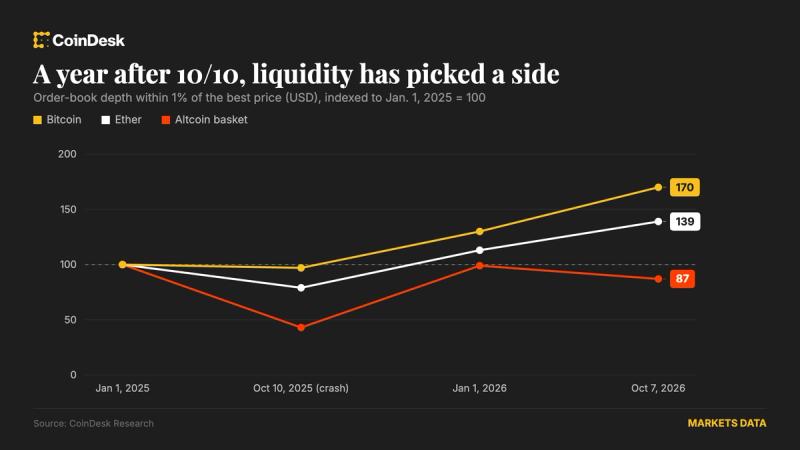
One year after 10/10, bitcoin and ether liquidity have rebuilt, but other altcoins still face risks
Bitcoin and ether order books are deeper than before the crash, while altcoin liquidity keeps eroding and spot trading remains wel...

Lithuania tightens crypto tax reporting rules under EU’s DAC8 directive
Lithuania's stricter crypto tax reporting rules enhance transparency and compliance, potentially influencing EU-wide regulatory st...

America’s Credit Unions takes on crypto policy as stablecoin rules take shape
Credit unions' involvement in crypto policy could reshape their competitive landscape, impacting deposit retention and regulatory...

Celsius Founder Alex Mashinsky Hit With $35M Deal and Permanent Crypto Industry Ban
Key Takeaways: Under a NY settlement, Alex Mashinsky may have to pay up to $35M in conditional payments. Celsius’s previous chief...
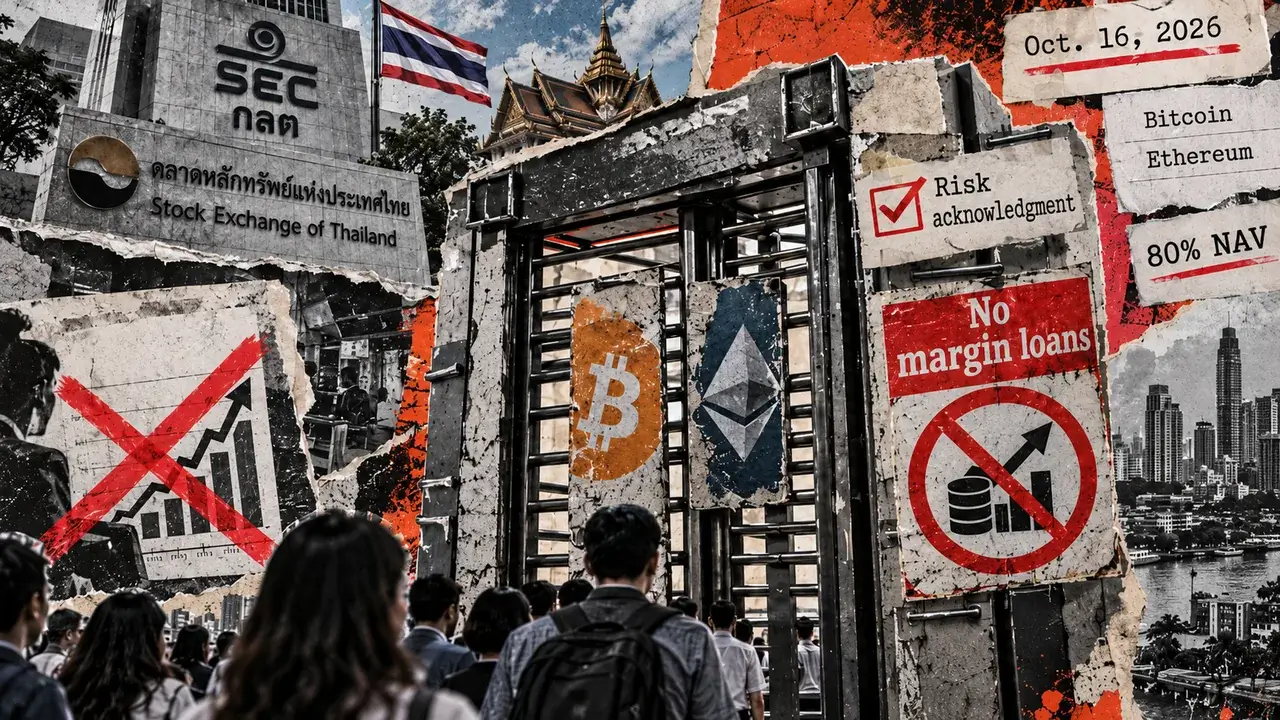
Thailand wants a piece of the $120 billion Bitcoin and Ethereum ETF market, but on its own terms
Thailand has finalized rules allowing domestic Bitcoin and Ethereum ETFs while restricting retail access to competing overseas inv...