16 Billion Credentials Exposed in Largest-Ever Crypto Breach – Are Your Wallets Safe?
Key Takeaways: A staggering 16 billion login credentials have been leaked, many tied to crypto exchanges, wallets, and trading platforms. Experts warn this leak isn’t just historical—it includes fresh infostealer malware...
Archive context
Older archive item. Useful for background and entity history, but not a fresh market-moving signal.

Key Takeaways:
- A staggering 16 billion login credentials have been leaked, many tied to crypto exchanges, wallets, and trading platforms.
- Experts warn this leak isn’t just historical—it includes fresh infostealer malware logs and highly exploitable data.
- The breach fuels phishing, account takeovers, and targeted crypto theft, affecting both users and institutions.
A catastrophe is playing out in the crypto world. Even as headlines obsess over token prices and new blockchain launches, a tsunami of breached credentials is washing across the internet, all but unnoticed by the people to whom they belong. According to a detailed investigation by cybernews, a newly discovered trove of leaked data has revealed nearly 16 billion login records, including data on millions of people who have logged in to websites and apps using accounts with crypto platforms.
Crypto Credentials Under SiegeCryptocurrency exchanges are a favorite target of cybercriminals worldwide, given the irreversible nature of digital currency transactions. The latest breach findings revealed that logins for the majority of platforms, including Binance, Coinbase, MetaMask, and Trust Wallet, appeared in exposed records stemming from infostealer malware and unsecured databases.
Read More: Over $81M Vanishes in Massive Crypto Heist on Iran’s Nobitex—Hackers Threaten More
Not Just Old Data — Fresh, Active ThreatsThis isn’t a reused archive of past breaches, researchers emphasize. Most of the DataSet also represents latest tokens, cookies and session data, so it means the infection is still alive till 2023 and 2024. This is cause for much concern, since session hijacking and credential stealing attacks are capable of circumventing the more common login systems – even when minimum two-factor authentication (2FA) is not mandated in places where it should be.
Unlike static password dumps, these new logs include:
- Auth tokens for web sessions on crypto exchanges
- Wallet private key files (for browser-based wallets)
- API keys for developer access on trading platforms and blockchain analytics tools
- Seed phrases from unencrypted clipboard captures
The result? A goldmine for hackers aiming at wallet takeovers, unauthorized fund transfers, or even API abuse for automated trading exploits.
Anatomy of the Leak—30 Datasets, 16 Billion RecordsCybersecurity analysts uncovered 30 separate datasets, each ranging from tens of millions to over 3.5 billion records. Most of these were accessible via unsecured Elasticsearch instances or open Amazon S3 buckets, pointing to a mixture of amateur cybercriminals, careless researchers, and opportunistic leakers.
The structure of the leaked information is alarmingly systematic:
- URL or Platform Name
- User Email or Login
- Password or Hash
- Cookies and Session Tokens
- Device Metadata (IP, OS, browser)
Many of the records originated from well-known stealer malware like RedLine, Raccoon, and Vidar—popular in Telegram-based cybercrime channels and sold via dark web marketplaces.
Impact on the Crypto Ecosystem Threats to Individual UsersWith direct access to user credentials and wallet data, attackers can:
- Empty non-custodial wallets (if recovery phrases or keys are exposed)
- Hijack exchange accounts to transfer funds or manipulate trades
- Phish users with hyper-targeted, believable bait (e.g., “Confirm transaction on MetaMask”)
Even users who rely on password managers or browser autofill tools are not safe. These services often store data that stealer malware specifically targets.
Institutional RisksCrypto businesses—especially those that run exchanges, DeFi platforms, or custodial services—are at critical risk of:
- API key theft, allowing attackers to execute trades, access user data, or manipulate liquidity pools
- Business Email Compromise (BEC), targeting internal communications and support desks
- Credential stuffing attacks that exploit reused passwords across cloud storage and dev ops platforms (e.g., GitHub, Jenkins, AWS)
Read More: Hacker Jailed for Triggering $3,000 Bitcoin Swing in SEC X Account Breach
What Makes This Breach Different?While the scale alone is shocking, cybersecurity experts highlight several red flags:
- No single source: The 16 billion records come from many fragmented leaks, stitched together over time, making them harder to detect and remediate.
- Real-time harvesting: In contrast to previous password dumps, a lot of these credentials were collected during active malware campaigns that are still active today in 2024.
- Poor credential hygiene: More than 80% of exposed credentials had weak, vulnerable or previously breached passwords that were taken advantage of.
What’s more, a lot of exposed wallets are held by people in parts of the world where Web3 is gaining broad interest, like Eastern Europe, Latin America, and Southeast Asia, which have scant resources for adult education and security relative to the level of techno-enthusiasm.
The Crypto Security Wake-Up CallThis breach serves as a resounding alarm bell for the Web3 industry. Many platforms tout decentralization and self-custody, but fail to guide users on securing their data against endpoint compromise—the most common attack vector today.
Experts recommend immediate actions:
- Rotate credentials: Users of crypto platforms should assume compromise and change passwords, API keys, and seed phrases where applicable.
- Use 2FA and hardware wallets: Platforms must require 2FA, while users should migrate funds to cold storage where feasible.
- Adopt passkeys: The next-gen authentication standard removes passwords altogether and significantly reduces phishing risks.
- Scan devices for infostealers: Users should run malware scans using tools like Malwarebytes, Emsisoft, or enterprise-grade antivirus solutions to identify infections.
The post 16 Billion Credentials Exposed in Largest-Ever Crypto Breach – Are Your Wallets Safe? appeared first on CryptoNinjas.
Why this matters
This security story adds another data point to the current market tape and is useful when read alongside nearby source coverage.
Original source
Read on CryptoNinjasRelated market context
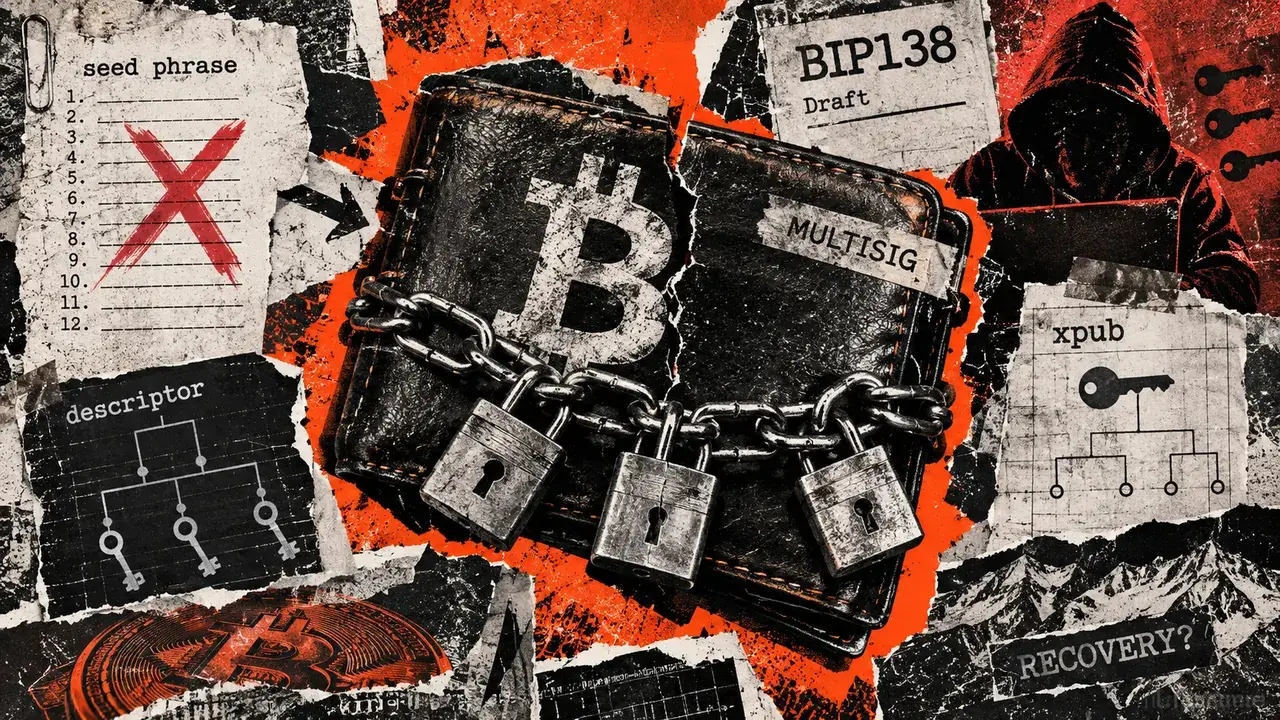
New Bitcoin proposal rescues locked multisig wallets – At a hidden cost
Bitcoin's BIP138 wallet-backup proposal was merged into the Bitcoin Improvement Proposals repository on Sept. 21, but the specific...

Kalshi must lock out state users after major court loss
The Sixth Circuit ruled Sept. 25 that Ohio and Tennessee can apply their gambling laws to Kalshi's sports contracts. The court rej...
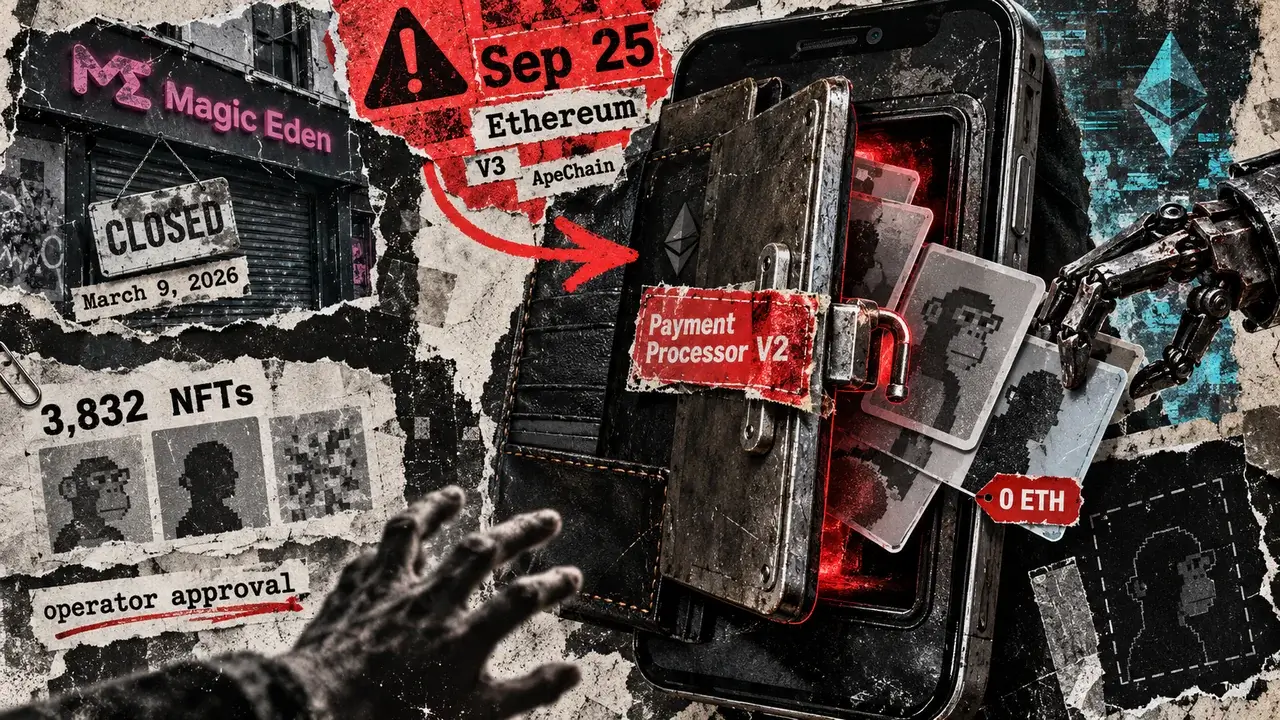
Old Magic Eden NFT approvals put users at risk after whitehat moves 3,832 NFTs
Old Magic Eden NFT approvals could still put some former users at risk months after the company closed its Ethereum marketplace. A...

Washington has $114 billion reasons to want Tether around
Not that long ago, Washington fined Tether for misleading people about the dollars behind its tokens. Today, the company's insatia...

Bitget Confirms $351.6M Hot Wallet Breach And Pauses Withdrawals
Bitget says unauthorized transfers affected approximately $351.6 million held across parts of its hot and warm wallet infrastructu...

Best Crypto Staking Platforms for 2026: 7 Options Compared
Staking is the closest thing crypto has to earning interest: you lock up a proof-of-stake asset to help secure its network, and in...