$260M Drained: Cetus Protocol Exploit Sparks Panic Across Sui Network Ecosystem
Key Takeaways: Cetus Protocol, Sui’s largest DEX and LP, confirmed a major exploit that drained its liquidity pools. Hackers manipulated spoof tokens to exploit reserve calculations and price curves. CETUS token value pl...
Archive context
Older archive item. Useful for background and entity history, but not a fresh market-moving signal.

Key Takeaways:
- Cetus Protocol, Sui’s largest DEX and LP, confirmed a major exploit that drained its liquidity pools.
- Hackers manipulated spoof tokens to exploit reserve calculations and price curves.
- CETUS token value plunged 40%, while related memecoins like BULLA and MOJO fell over 90%.
Cetus Protocol, the backbone of liquidity on the Sui blockchain, has suffered a devastating exploit. The incident, which drained its liquidity pools and halted operations, has triggered a chain reaction across the ecosystem, with users scrambling to withdraw assets and exchanges locking deposits.
Read More: FBI Issues Warning: Urgent Call to Block Transactions Linked to Bybit Hack
Cetus Protocol Confirms Exploit and Halts Smart ContractsCetus Protocol, widely recognized as the primary decentralized exchange (DEX) and liquidity provider on the Sui blockchain, officially acknowledged the exploit on its X (formerly Twitter) account. The project paused all smart contracts to prevent further losses while it investigates the vulnerability.
“An incident has been detected on our protocol, and our smart contract has been paused temporarily for safety. The team is investigating and will release a full report soon,” Cetus posted.
Early estimates suggest the attacker drained roughly $260 million worth of assets, including SUI and USDC, using spoof tokens like BULLA. Blockchain analysts indicate that the exploit involved swapping spoof assets for real tokens by taking advantage of flawed reserve math and manipulated pricing curves.
Read More: CZ Sounds Alarm After Ledger Discord Hack Exposes Users to Phishing Trap
Exploit Path: Spoof Tokens and Zero-Liquidity Attacks How the Attacker Gained AccessAccording to on-chain investigator @d0rsky, the attacker executed a multi-step process:
- Swapped spoof tokens (e.g., BULLA) into legitimate tokens like SUI using vulnerable liquidity pools.
- Injected near-zero liquidity into the pools to manipulate the internal state and reserve calculations.
- Extracted real assets without depositing any meaningful value.
This kind of exploit, leveraging artificially skewed price curves and faulty internal calculations, exposes critical flaws in AMM-based DEX infrastructure when rigorous token filtering is not enforced.
Other ecosystem tokens like MOJO also experienced rapid devaluation, with some memecoins plunging over 90% in a matter of hours.
Immediate Fallout: CETUS Down 40%, Binance Halts DepositsThe price of CETUS dropped sharply—falling over 40% within hours—as liquidity was drained and confidence collapsed. Related tokens, especially those used in spoofing (like BULLA), faced even steeper declines.
Binance has reportedly suspended deposits for CETUS, citing risk assessment and asset integrity concerns. While no official Binance statement has been released, community sources flagged halted transactions and deposit locks.
Meanwhile, traders are reacting sharply. A prominent whale on Hyperliquid opened a 10x long on SUI, speculating on a rebound or possible rescue operation by the Sui team or its core ecosystem contributors.
Uncertainty Ahead: Will Cetus Survive?Questions now surround the future of Cetus. As Sui’s largest liquidity provider, its sudden collapse leaves a significant hole in the network’s DeFi structure. While the team promises a full investigation and potential mitigation plan, the damage to user trust may take far longer to repair.
With assets locked, liquidity drained, and token prices collapsing, the incident has already triggered fear of broader contagion within the Sui ecosystem.
Crypto communities are closely monitoring the situation, as the next steps from Cetus, Sui Foundation, and leading exchanges will determine whether the platform can recover—or become another name added to the long list of DeFi protocols brought down by exploits.
The post $260M Drained: Cetus Protocol Exploit Sparks Panic Across Sui Network Ecosystem appeared first on CryptoNinjas.
Why this matters
This security story adds another data point to the current market tape and is useful when read alongside nearby source coverage.
Original source
Read on CryptoNinjasRelated market context

SEC staff’s staking-token split spotlights the exit risks behind staked ETH tokens
An ETH holder can sell a liquid-staking token while the ETH behind it remains staked. A Sept. 25 SEC staff FAQ draws a conditional...

Ondo Puts BlackRock-Designed Portfolios Into Single Onchain Tokens
Ondo has launched three tokenized portfolios based on investment strategies developed by BlackRock specifically for the platform....

Crypto Hacks: Three Projects Hacked in One Day as Losses Hit Over $11M
Three crypto projects were attacked on September 24, suffering combined losses of more than $11M. Attackers drained around $1.8M f...
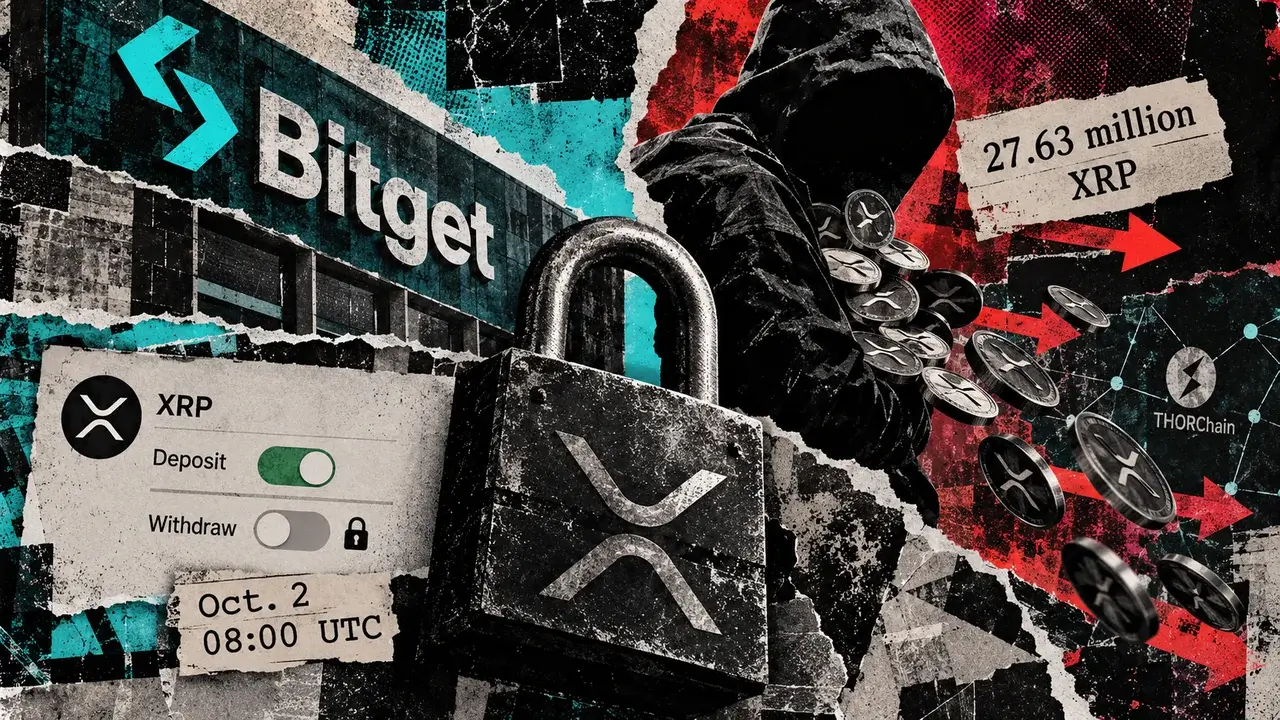
Bitget freezes XRP withdrawals as 27M stolen tokens move
Bitget’s XRP withdrawal route was still disabled on Sept. 26, even as the exchange set Oct. 2 at 08:00 UTC for the last phase of i...

Tokenized iShares MSCI South Korea ETF Arrives on StonkFun for Solana Coin Launches
Key Takeaways: StonkFun now supports coin launches paired with $EWY, the tokenized iShares MSCI South Korea ETF. Overall, the inte...

Why your tokenized stock could stop trading for three months
Buying a tokenized stock sounds as though it should be simple. You pick a company you know, buy a token representing its shares, a...