A crypto scam that doesn’t need private keys: How does zero-value transfer work?
A crypto investor lost $2.6 million in hours, falling victim to a zero-value transfer scam, a type of address poisoning scam.
Archive context
Older archive item. Useful for background and entity history, but not a fresh market-moving signal.
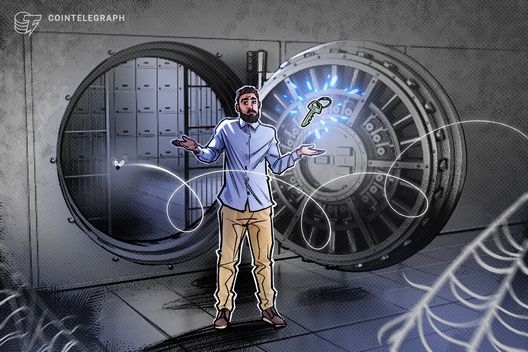
A crypto investor lost $2.6 million in hours, falling victim to a zero-value transfer scam, a type of address poisoning scam.
Why this matters
This security story adds another data point to the current market tape and is useful when read alongside nearby source coverage.
Original source
Read on CointelegraphRelated market context

AI Agents Can Now Buy Computing With Bitcoin—Does Lightning Have Its Use Case?
AI agents have a new way to spend Bitcoin: buying the computing needed to keep working. Lightning Labs has launched pi402, a tool...
Kraken Parent Payward Swaps Its Headline Metric, Reports $487 Million in Q3 Platform Margin
Payward, the privately held parent of Kraken, publishes selected quarterly figures rather than SEC filings, and until now led them...

Nakamoto Gets Extra Year on 60 Million USDT Kraken Loan; Derivatives Count Toward Collateral
Nakamoto Inc. (NAKA) is a bitcoin treasury company, a public company holding bitcoin as a core asset, and has borrowed against it....

U.S. Targets $1.2 Billion From Binance Hack—Where Is the Rest?
The Binance hack recovery has reached a significant milestone: U.S. authorities say more than $1.2 billion in stolen cryptocurrenc...

What Is Canton Network? The Privacy Blockchain Built for Wall Street
Canton Network is a privacy-enabled blockchain built for banks and tokenized assets. Here's how it works and what Canton Coin (CC)...

US spot Bitcoin ETFs bleed $185 million as outflow streak hits seven days
Institutional caution and Bitcoin volatility may drive a shift in crypto investment strategies, impacting market dynamics and inve...