April Sees Yearly Low of $38M in Crypto Phishing
Phishing attacks within the crypto industry decreased by 46% to $38 million in April, marking the lowest amount recorded this year, according to the security firm Scam Sniffer. Notably, this decline aligns with CertiK’s...
Archive context
Older archive item. Useful for background and entity history, but not a fresh market-moving signal.

Phishing attacks within the crypto industry decreased by 46% to $38 million in April, marking the lowest amount recorded this year, according to the security firm Scam Sniffer. Notably, this decline aligns with CertiK’s findings, indicating that crypto-related exploits and scams reached a historic low of $25.7 million in April.
April’s Phishing Attack InsightsAccording to Scam Sniffer’s analysis, the Coinbase-backed Ethereum layer-2 network Base experienced a notable surge of 145% to $8.2 million in phishing incidents during the past month. Interestingly, two of the top 10 largest single thefts occurred on this chain, constituting 21% of the month’s total theft.
ERC-20 tokens faced the brunt of these attacks, with a staggering 88% of the stolen assets belonging to this class.
Tools and Tactics Employed by AttackersScam Sniffer has pinpointed fake accounts on the social media platform X (previously known as Twitter) as the primary tool utilized by scammers. These attackers impersonated prominent projects like Renzo, Avail, Ether.fi, Wormhole, and Omni. These fake accounts often displayed counterfeit verification marks, giving them an appearance of authenticity that was exploited to lure unsuspecting users.
Using these fake accounts, the attackers posted deceptive comments on social media platforms to redirect unsuspecting individuals to malicious sites where their assets could be stolen.
Additionally, the attackers frequently utilized phishing signatures such as Permit, IncreaseAllowance, and Uniswap Permit2. These malicious signatures enabled the attackers to access their victim’s funds without their knowledge.
Scam Sniffer further added that despite wallets increasing phishing alerts for certain signatures, wallet drainers are actively finding ways to circumvent these alerts by using legitimate contracts like Disperse and Uniswap Multicall, along with variants of value normalization.
Featured Image: Freepik
Why this matters
This security story adds another data point to the current market tape and is useful when read alongside nearby source coverage.
Original source
Read on CryptoCurrencyNewsRelated market context
SEC Sues Cryptoaiml and TSAI Over Alleged $15 Million AI Trading Scams
The U.S. Securities and Exchange Commission sued four Cryptoaiml and TSAI entities on Tuesday, alleging they took at least $15 mil...
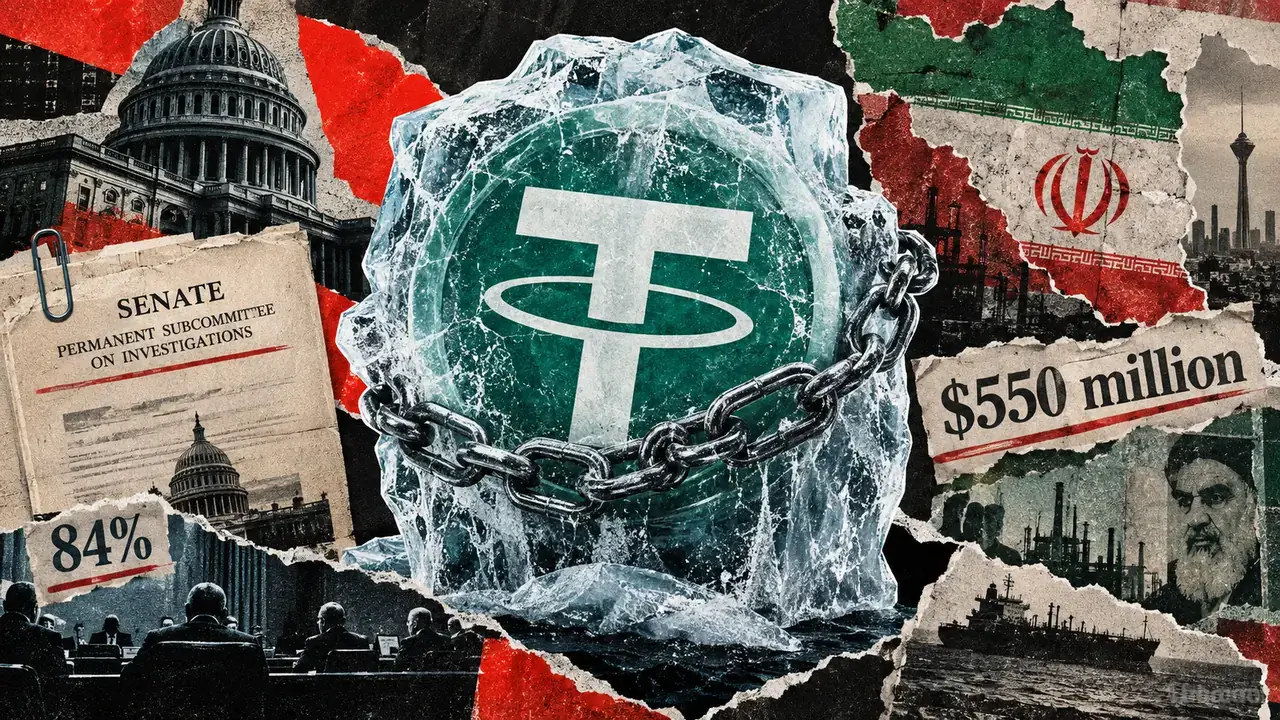
Tether claims $550 million in Iran freezes, but $35 million slipped past Senate
Tether says it helped freeze nearly $550 million in Iran-linked USDT during 2026, while Democratic investigators on a Senate subco...

Nearly 5,000 BTC leaves Bitget as hackers begin laundering $387 million haul
Nearly 5,000 Bitcoin has left Bitget’s tracked reserves after the crypto exchange reopened withdrawals following its $387.5 millio...
SEC Charges WhatsApp Crypto AI Scams Allegedly Taking Over $15.3M
Online contacts allegedly drew hundreds of investors into fake trading and AI bot programs. The SEC has charged four entities over...

Bitcoin’s $84,000 wall gets harder to break as ETF inflows sink to $31 million
US Bitcoin exchange-traded funds drew just $31 million in inflows on Sept. 28 as institutional demand weakened while BTC stalled b...

Blockchain.com Reportedly Eyes $500 Million IPO at $4 Billion to $6 Billion Valuation
Blockchain.com has told prospective investors it plans a public listing before year-end, seeking about $500 million in an initial...