Bad Actor Drained More than 7,500 ETH Out of Uniswap LP Wallets
Hackers are becoming more sophisticated and employ different tactics to deceive investors. A method that is becoming increasingly popular is a malicious airdrop.Initially, it was believed Uniswap's protocols were exploit...
Archive context
Older archive item. Useful for background and entity history, but not a fresh market-moving signal.

Hackers are becoming more sophisticated and employ different tactics to deceive investors. A method that is becoming increasingly popular is a malicious airdrop.
Initially, it was believed Uniswap's protocols were exploited. It was later determined that a phishing attack drained approximately $8 million out of Uniswap's liquidity providers.
Uniswap is a popular decentralized exchange (DEX) for Ethereum including tokens on the ETH mainnet.
How the Phishing Attack Starts?In the first stage, the bad actor hits the explorers index so the 'From' address appears legitimate, 'Uniswap V3: Positions NFT'. This is called an event pollution attack.
Tokens are sent from the bad actor to numerous addresses. Investors that receive the tokens are curious why 'Uniswap' send them tokens. When checking the token's name the investors are led to the following website: uniswaplp.com (do not visit).
The LP that follows Uniswap in the url stands for liquidity provider.
Upon visiting the website, the following message is displayed:
"Liquidity provider rewards At 14:00 UTC, July 11, 2022, Uniswap distributed the UniswapLP tokens, based on the provided liquidity, to the existing UNI-V3 liquidity providers.
"If you have received the UniswapLP tokens, then you are eligible to claim the UNI tokens from this page by clicking on the below button."
As the investors already have received tokens from 'Uniswap' and that only 10k UNI will be airdropped, if claiming is not done immediately there is a risk of the investors missing a portion from the 10,000 UNI.
Employing fear of missing out (FOMO) plays a major role in luring investors into the trap. Upon clicking on the document, a call is made to ethall().
The user's browser info and wallet address are sent to /66312712367123.com.
It may then ask the user to send the tokens to their ETH address. Upon doing so, the bad actor gains full access to the victim's address and drains the account.
The above findings were reported by Harry Denley.
The bad actor sent the 'uniswap' tokens to over 70,000 addresses, spending a substantial amount (over 8 ethers) on gas fees. Among the targeted addresses were large ETH holders.
source: Twitter
The vast majority of crypto investors are aware of these scams. However, many are caught off guard if they do not pay full attention to the information in from of them.
The bad actor already commenced laundering the stolen ethers via Tornado Cash, sending 100 ETH per transaction to the mixer.
How to Defend against Similar Attacks?There are several methods that can be adopted that may reduce the odds of becoming a phishing attack victim in the crypto space. Airdrops must be verified through the project's social media channels.
It may be Twitter, Telegram or Discord etc. If we take a scenario where the project's social media accounts are compromised, which has occurred in the past, paying attention to the permissions that are given upon interacting with the contract including the web address may help.
Another method, which is fairly new is using Forta, which offers real-time security. Forta's threat detection kit may be used for threat detections in NFTs, stablecoins, bridges and more.
ZenGo wallet has a feature called ClearSign that verifies interactions with contracts. As attacks are becoming more sophisticated, it is essential to take the required time to investigate the legitimacy of what you receive including in emails.
This article was written by Matti Williamson at www.financemagnates.com.Why this matters
This security story adds another data point to the current market tape and is useful when read alongside nearby source coverage.
Original source
Read on Finance MagnatesRelated market context
SEC changes token buyback guidance as spending hits $638M
The US Securities and Exchange Commission tightened its guidance for crypto token buybacks just three days after publishing it. On...

MEXC Leads SOL and DOGE Market-Price Liquidity in CoinGecko’s 2026 CEX Report
Mutsamudu, Comoros, September 30, 2026 – MEXC, a pioneer in 0-fee digital asset trading, led the exchanges studied in order book l...
Pokemon Crypto Case: Collector Faces Trial Over $55 Million Hack
U.S. indictment alleges two Uranium Finance crypto exploits moved through Tornado Cash before being used to buy Pokemon cards and...
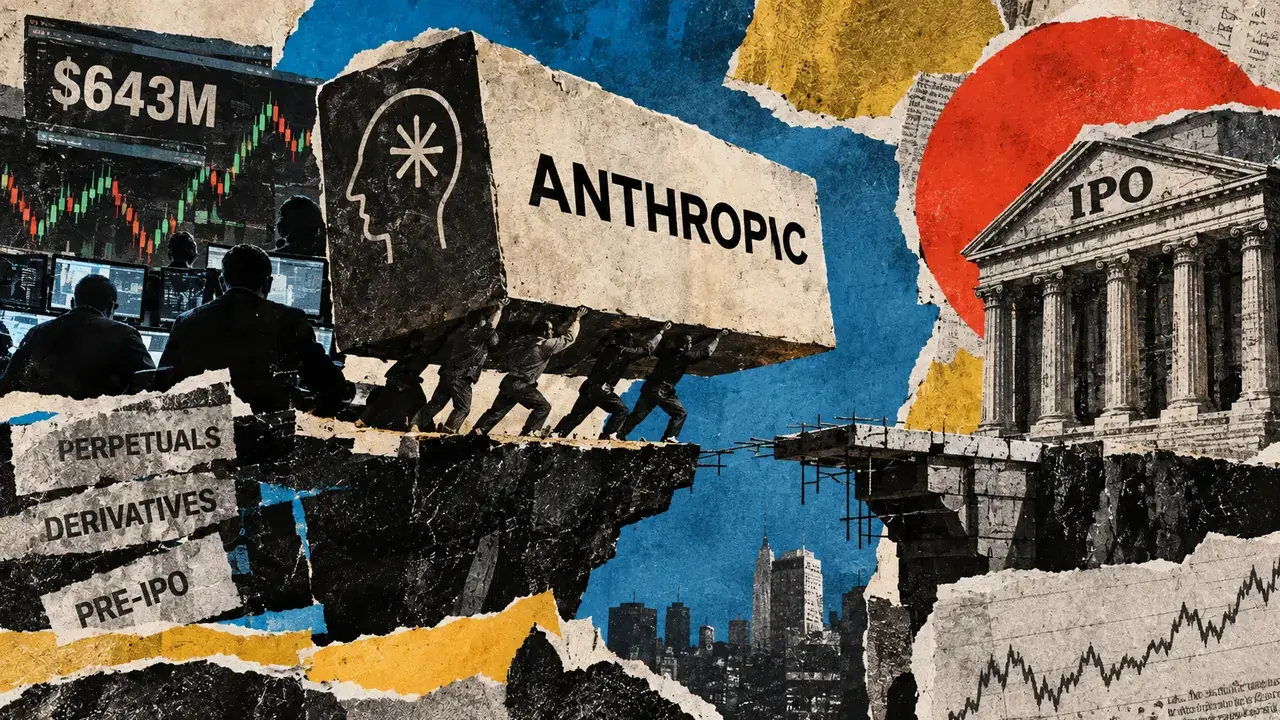
Anthropic tokenized pre-IPO volume hits $643M, but liquidity test looms
Anthropic’s planned IPO could force a fast-growing crypto derivatives market to reconcile its synthetic valuation with Wall Street...

BTCS Prepares DeFi Business To Provide Liquidity For Tokenized Stocks
TL;DR BTCS says its Imperium DeFi unit has completed preparatory compliance steps for potential use of the SEC’s Covered Firm exem...

21Shares Sets New Staking Payouts Across Five Crypto ETFs
TL;DR 21Shares has declared September staking distributions for five crypto ETFs covering Ethereum, Solana, Hyperliquid, Sui and P...