Bitcoin Becomes a “Cornerstone of Financial Security,” to Join Central Bank Reserves: Deutsche Bank
Bitcoin’s path to becoming a central bank reserve asset may no longer be far-fetched, according to Deutsche Bank analyst. Key Takeaways: Deutsche Bank says Bitcoin’s declining volatility and fixed supply make it a viable...
Archive context
Older archive item. Useful for background and entity history, but not a fresh market-moving signal.

Bitcoin’s path to becoming a central bank reserve asset may no longer be far-fetched, according to Deutsche Bank analyst.
Key Takeaways:
- Deutsche Bank says Bitcoin’s declining volatility and fixed supply make it a viable candidate for central bank reserves by 2030.
- Demand for Bitcoin is rising alongside gold as institutions and corporates seek alternatives to the US dollar.
- “Bitcoin treasuries” and growing institutional trust are helping position Bitcoin as a modern safe-haven asset.
In a research note released Tuesday, Deutsche Bank strategists Marion Laboure and Camilla Siazon said the cryptocurrency is increasingly behaving like gold, and could join official reserves by 2030 if current trends hold.
Analysts Say Bitcoin’s Stability Makes It Fit for Central Bank ReservesThe analysts argued that Bitcoin’s falling volatility, rising liquidity, and fixed supply make it a viable addition to central bank balance sheets.
“A strategic Bitcoin allocation could emerge as a modern cornerstone of financial security, echoing gold’s role in the 20th century,” the analysts wrote.
Their projection comes as Bitcoin hit a record high of $125,000 this week, while gold neared $4,000 per ounce.
Both assets have been climbing on the back of increased demand from central banks and corporates looking for alternatives to the US dollar and traditional assets.
Gold has surged over 50% in 2025, its fastest yearly gain since 1979, when prices soared amid an inflationary oil crisis.
Goldman Sachs recently raised its gold price target to $4,900, citing persistent demand from emerging market central banks.
#Bitcoin logo projected onto the Czech Republic central bank pic.twitter.com/nSDaMoHwXM
— Bitcoin Magazine (@BitcoinMagazine) September 11, 2025Bitcoin, while not traditionally considered a reserve asset, is starting to see similar demand patterns. Companies such as Michael Saylor’s Strategy have made Bitcoin a core part of their balance sheet strategy, turning it into a digital reserve asset.
According to Laboure and Siazon, this growing trend of “Bitcoin treasuries” is helping normalize the asset in the eyes of institutional players.
“Bitcoin is backed by nothing,” the analysts acknowledged. “But neither is gold in any functional sense. The difference is that Bitcoin’s volatility is now at historic lows, making it far more palatable to long-term holders.”
Central banks, especially in emerging markets, have been steadily increasing their gold allocations in recent years as a hedge against political risk and a weakening US dollar.
That same diversification logic, Deutsche Bank argues, could apply to Bitcoin as its market matures and institutional trust grows.
Notably, this shift comes amid a paradox in global markets. The S&P 500 continues to hit record highs, up 14.6% year-to-date, while investors pour capital into so-called “safe haven” assets like gold and, increasingly, Bitcoin.
Hex Trust CEO: US Banks Will Soon Offer Bitcoin ServicesHex Trust CEO Alessio Quaglini believes US banks are on the verge of mainstreaming Bitcoin, pending regulatory clarity.
He predicts that within months, most American banks will offer custody, trading, and deposit services for Bitcoin, calling U.S. regulation the “global benchmark” for institutional adoption.
Founded in 2018, Hex Trust provides crypto custody, trading, lending, and staking services to institutions across Asia, the Middle East, and Europe.
With over 200 employees and a million end users via B2B deals, the firm is targeting $20 million in revenue by 2025 and considering a future IPO.
Quaglini also sees stablecoins as a disruptive force, potentially replacing the SWIFT system for cross-border payments.
Unlike US-listed crypto companies that rely on retail trading, Hex Trust’s strategy focuses on providing infrastructure for institutions and avoiding direct exposure to crypto market volatility.
The post Bitcoin Becomes a “Cornerstone of Financial Security,” to Join Central Bank Reserves: Deutsche Bank appeared first on Cryptonews.
Why this matters
This security story adds another data point to the current market tape and is useful when read alongside nearby source coverage.
Original source
Read on CryptonewsRelated market context

IBM Connects Banks To Swift’s Blockchain Ledger For Tokenized Deposits
IBM Digital Asset Haven can now connect financial institutions to Swift’s blockchain-based shared ledger through a beta integratio...

Over a third of top 20 global banks now using Coinbase infrastructure
The integration of major banks with Coinbase could accelerate the mainstream adoption of digital assets, reshaping global financia...

EU Banking Regulator Urges Crypto Lending Rules, Floats Leverage Caps and DeFi Certification
The European Banking Authority (EBA) recommended on Sept. 24 that the European Commission consider regulating crypto borrowing and...
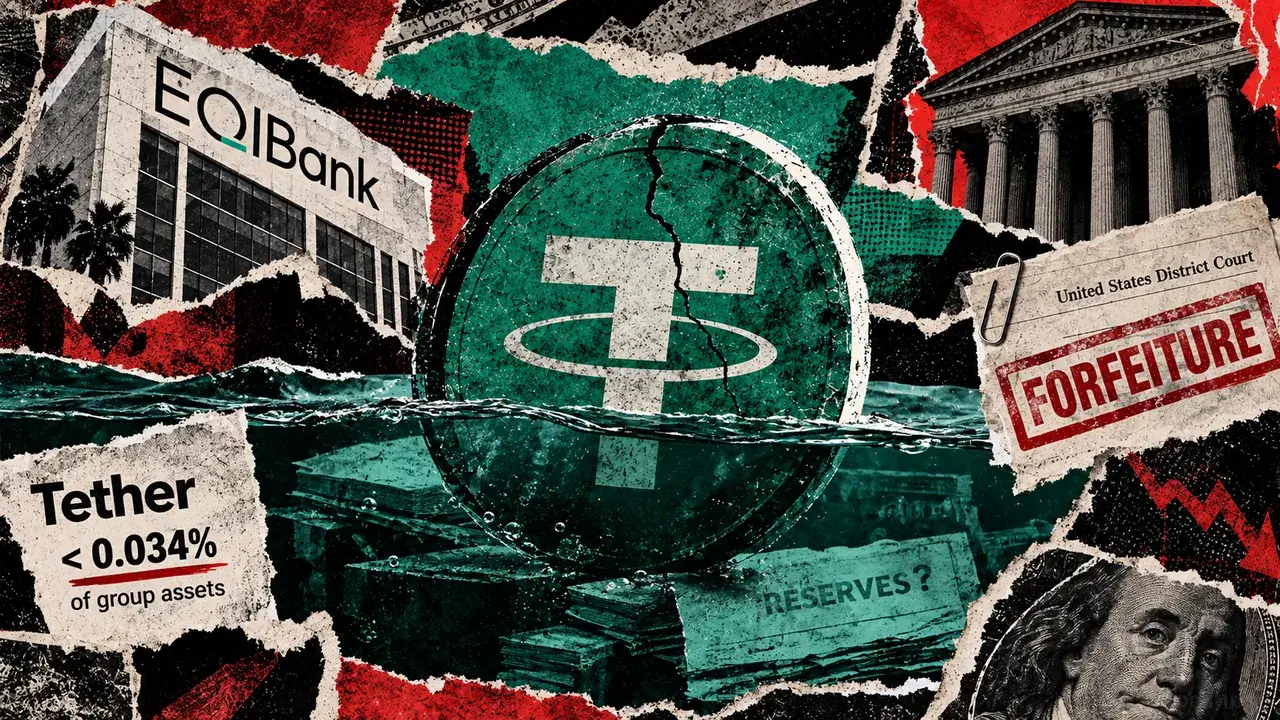
An $84 million US asset seizure just sparked a massive question for Tether
Tether has disclosed exposure to EQIBank as the bank fights a US seizure involving payment processor Capstone Limited, raising a q...

Quant Crypto Blasts 3x in a Week Following Huge US Bank Deal
Quant crypto has exploded roughly +178% over the last seven days, including an extraordinary +72% daily surge. Quant is quickly be...
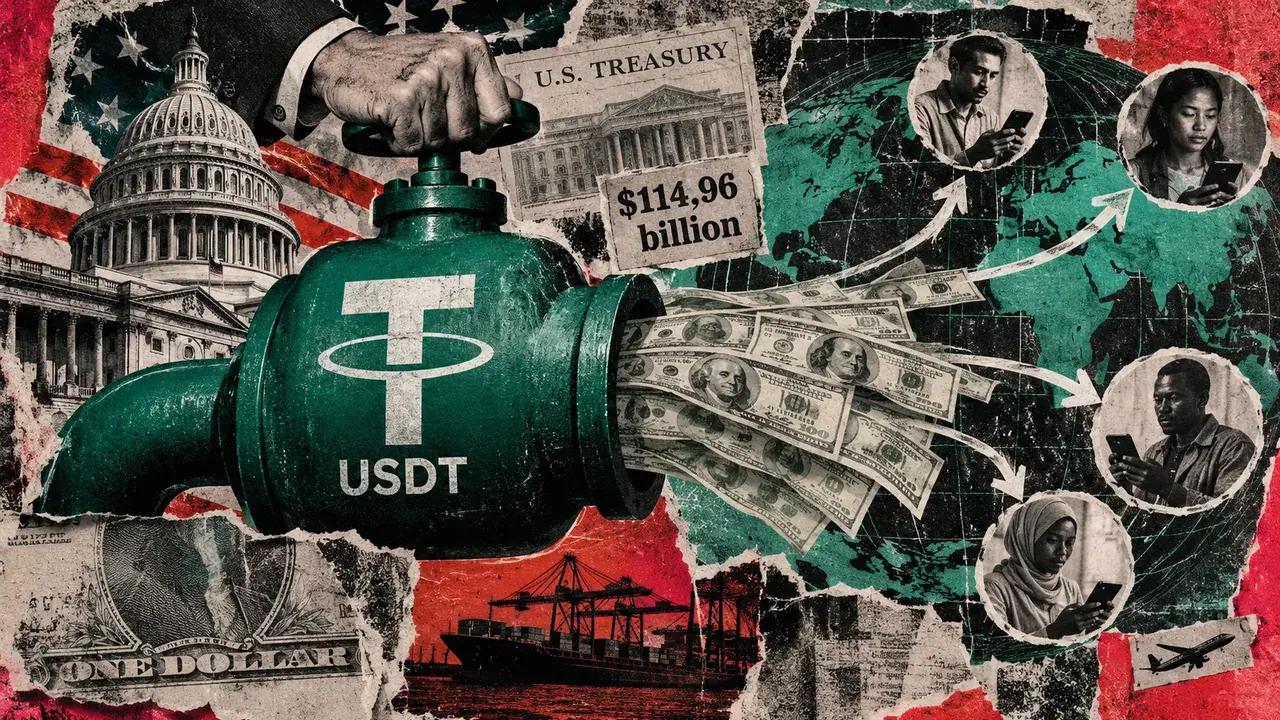
Washington has $114 billion reasons to want Tether around
Not that long ago, Washington fined Tether for misleading people about the dollars behind its tokens. Today, the company's insatia...