Bitcoin Vault Security Advances With Babylon-Ledger Integration
The security architecture surrounding Bitcoin continues to evolve as new infrastructure emerges to support self-custody and advanced on-chain protections. A notable step in this direction is the integration between Babyl...
Archive context
Older archive item. Useful for background and entity history, but not a fresh market-moving signal.

The security architecture surrounding Bitcoin continues to evolve as new infrastructure emerges to support self-custody and advanced on-chain protections. A notable step in this direction is the integration between Babylon Labs and Ledger. By combining Babylon’s protocol-level vault system with Ledger’s hardware wallet security, the collaboration seeks to strengthen how users store, manage, and interact with BTC in decentralized environments.
How Babylon And Ledger Aim To Strengthen Bitcoin Self-CustodyThe Babylon platform is expanding access to Trustless Bitcoin Vaults through a new integration with Ledger. According to the Babylon Labs post on X, once the integration goes live in the second half of the year, users will be able to authorize BTCVault transactions directly from a ledger device using clear signing. This will allow 8 million Ledger users to review and approve vault operations on a secure hardware screen.
These Trustless BTC Vaults are anchored directly on the BTC base layer and enable external applications to verify that BTC collateral remains locked in place while enforcing predefined collateralization conditions. This vault architecture utilizes cryptographic mechanisms to execute rules, such as unlocking funds or triggering a liquidation event, rather than relying on discretionary control.
By combining Babylon’s vault architecture with Ledger’s secure signing infrastructure, BTCVault workflows can connect with the hardware security that many BTC holders already rely on for self-custody. As part of the broader rollout, Ledger devices will also support Babylon’s native asset, BABY, on Ledger devices.
A Familiar Pattern Emerges In Bitcoin’s Orderbook DataAs noted by Crypto analyst Ardi, the latest order book data is showing a pattern that has appeared at key moments in the market before. Currently, asks on Bitcoin have climbed to a two-month high, with roughly $1.57 billion in sell-side liquidity stacked above the current price compared with about $1.125 billion in bids below. This shift indicates around 40% more supply than demand within 5% of the market price.
Ardi pointed out that the last time the asks reached a similar high level was during the retest that followed the $98,000 fakeout in January. In that case, BTC briefly broke above the fakeout range, price re-entered it, and then retested the level while the sell-side liquidity accumulated heavily above the retest price.
Now, the BTC market structure appears to be retesting after the $72,000 fakeout, with orderbook data showing a similar signature. In this setup, bids below the price act as a support cushion, while asks above the price form a resistance wall.
When Asks liquidity spikes to multi-month highs during a retest, it suggests that participants are using price rebounds as opportunities to sell into strength. However, Ardi cautions that orderbook liquidity can be removed at any time, and the recurring pattern of elevated asks during post-fakeout retests has shown a specific track record on this chart.
Why this matters
Bitcoin is showing up inside the Market Structure theme, so this story is worth tracking for follow-through rather than treating it as a one-off headline.
Original source
Read on NewsBTCRelated market context

Safepal Hardware Wallet Users Receive Fake Security Alerts in the Mail
Safepal customers in Italy are reportedly being targeted by a sophisticated phishing campaign involving fraudulent letters contain...

XRP Price Today: $0.98 Support Under Threat Despite Oversold RSI
Deeply oversold indicators suggest a possible relief bounce, but the broader technical structure remains bearish. The XRP price ha...

Chainlink and Moody’s Complete Testnet Pilot for Cross-Chain Credit Ratings
TL;DR: Chainlink and Moody's Ratings completed a cross-chain distribution pilot using test data. It ran on testnets and did not pu...

U.S. Targets $1.2 Billion From Binance Hack—Where Is the Rest?
The Binance hack recovery has reached a significant milestone: U.S. authorities say more than $1.2 billion in stolen cryptocurrenc...
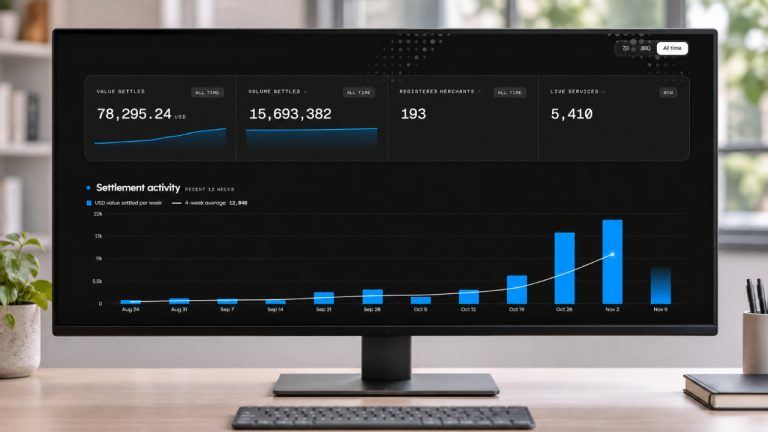
XRP Ledger AI Services Exceed 5,400 Across More Than 190 Merchants
AI agents can now purchase more than 5,400 services on the XRP Ledger, according to t54. Its expanding directory connects automate...

XRP Price at the $1 Line: Should You Sell or Add More to Your Bag?
XRP is dangerously close to losing the $1 price mark, putting holders in an uncomfortable position. Some holders may see another b...