Byte Federal Data Breach Exposes Sensitive Information of 58,000 Users
The breach highlights ongoing vulnerabilities in the cryptocurrency ecosystem, particularly for services reliant on third-party software. Offering consumers a practical means of purchasing and selling bitcoins, the Flori...
Archive context
Older archive item. Useful for background and entity history, but not a fresh market-moving signal.

The breach highlights ongoing vulnerabilities in the cryptocurrency ecosystem, particularly for services reliant on third-party software.
Offering consumers a practical means of purchasing and selling bitcoins, the Florida-based company runs more than 1,300 Bitcoin ATMs throughout the United States. But hackers were able to enter Byte Federal’s computers without authorization by taking advantage of a flaw in GitLab, a popular developer platform.
The attackers had a long time to obtain sensitive consumer data because the breach happened on September 30 but was not discovered until November 18. Social Security numbers, phone numbers, locations, names, government-issued identification documents, transaction histories, and even user photos are among the compromised data.
In a filing with Maine’s attorney general, Byte Federal disclosed that it acted swiftly after discovering the breach. The company implemented a hard reset on all customer accounts, updated internal passwords and engaged an independent cybersecurity team to conduct a forensic investigation.
Byte Federal’s Response Under ScrutinyIn a statement on the event, Byte Federal attempted to reaffirm its commitment to user security. “Protecting our users remains our top priority, and we are taking every step possible to ensure the security of our platform,” the business stated in a blog post. However, promises that the GitLab vulnerability has been rectified and that there is no proof of data misuse raise serious concerns about the company’s security systems.
Byte Federal has urged affected users to reset their login credentials and monitor financial accounts for suspicious activity, essentially placing the burden of preventive actions on its customers. Advising customers to seek fraud warnings or credit freezes with major credit bureaus emphasizes the possible hazards posed by the incident.
The Byte Federal data breach notification from the Office of the Maine Attorney General. Source: Maine/gov
This event is part of an alarming trend of growing hacks against bitcoin platforms. With over 4.3% of Bitcoin ATMs in the United States under its control, Byte Federal’s huge network and sensitive data make it an appealing target for hackers.
The attack highlights the essential necessity for strong cybersecurity measures in the bitcoin sector. In recent months, assaults against cryptocurrency-related services, such as the Coinbase Commerce hack and phishing scams, have demonstrated attackers’ skill. According to industry statistics, nearly $753 million was lost to cyberattacks in just the third quarter of 2024.
Customer Concerns and Next StepsDespite Byte Federal’s promises, the incident has raised questions about the company’s ability to protect sensitive data. The company has not stated whether it intends to provide identity theft protection services to affected users, which is a typical response in similar cases.
While Bitcoin ATMs are more popular due to their ease, they have also become great targets for fraudsters. The United States Federal Trade Commission (FTC) recently reported an astounding 1,000% surge in Bitcoin ATM-related scams since 2020, underscoring the industry’s mounting hazards.
Byte Federal’s hack serves as a reminder of the continued problems of safeguarding cryptocurrency platforms, as well as the significance of taking proactive efforts to protect user data.
Why this matters
This security story adds another data point to the current market tape and is useful when read alongside nearby source coverage.
Original source
Read on Brave New CoinRelated market context

Bitget Confirms $387.5 Million Security Breach as Revised On-Chain Accounting Reveals Wider Losses
Bitget raises breach losses to $387.5 million after Zcash and TRON transfers found. Attackers spoofed backend transaction data to...
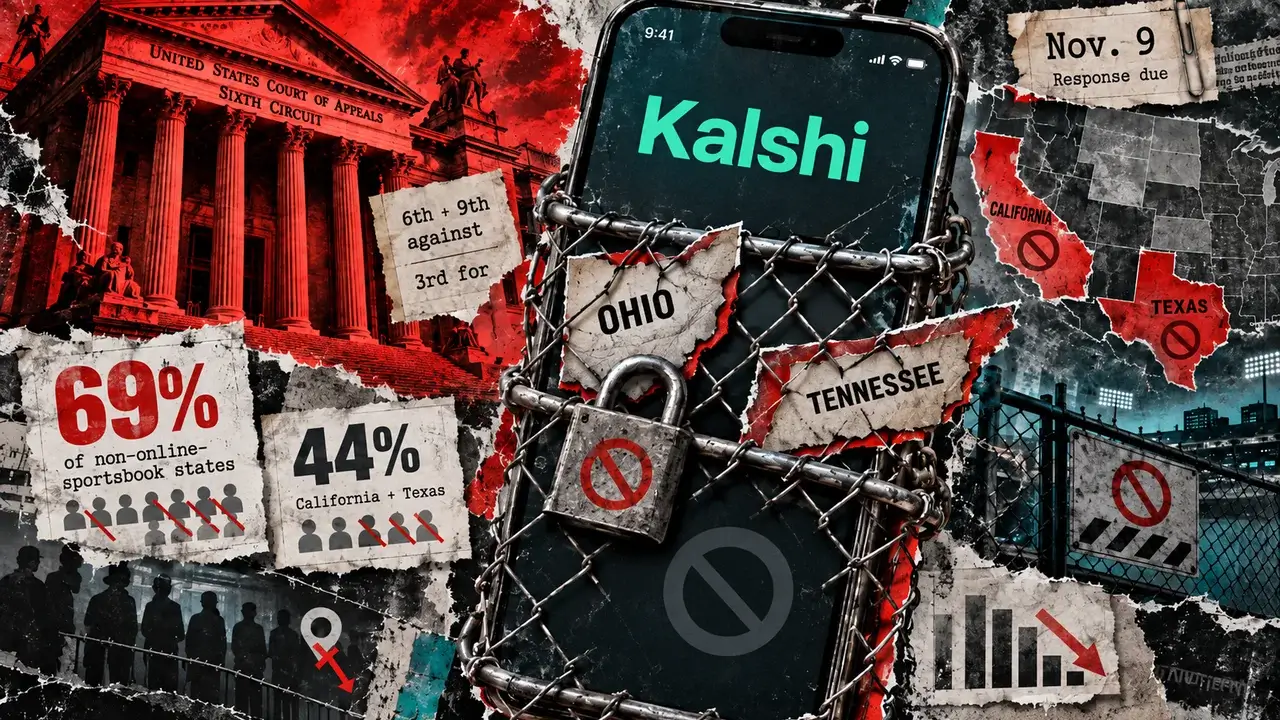
Kalshi must lock out state users after major court loss
The Sixth Circuit ruled Sept. 25 that Ohio and Tennessee can apply their gambling laws to Kalshi's sports contracts. The court rej...

Bitget Confirms $351.6M Hot Wallet Breach And Pauses Withdrawals
Bitget says unauthorized transfers affected approximately $351.6 million held across parts of its hot and warm wallet infrastructu...

Circle Agent Marketplace Brings USDC Payments and Live Data Tools to Arc Blockchain
Key Takeaways: Circle Agent Marketplace now makes services available for AI agents on Arc. Agents have access to live web search,...
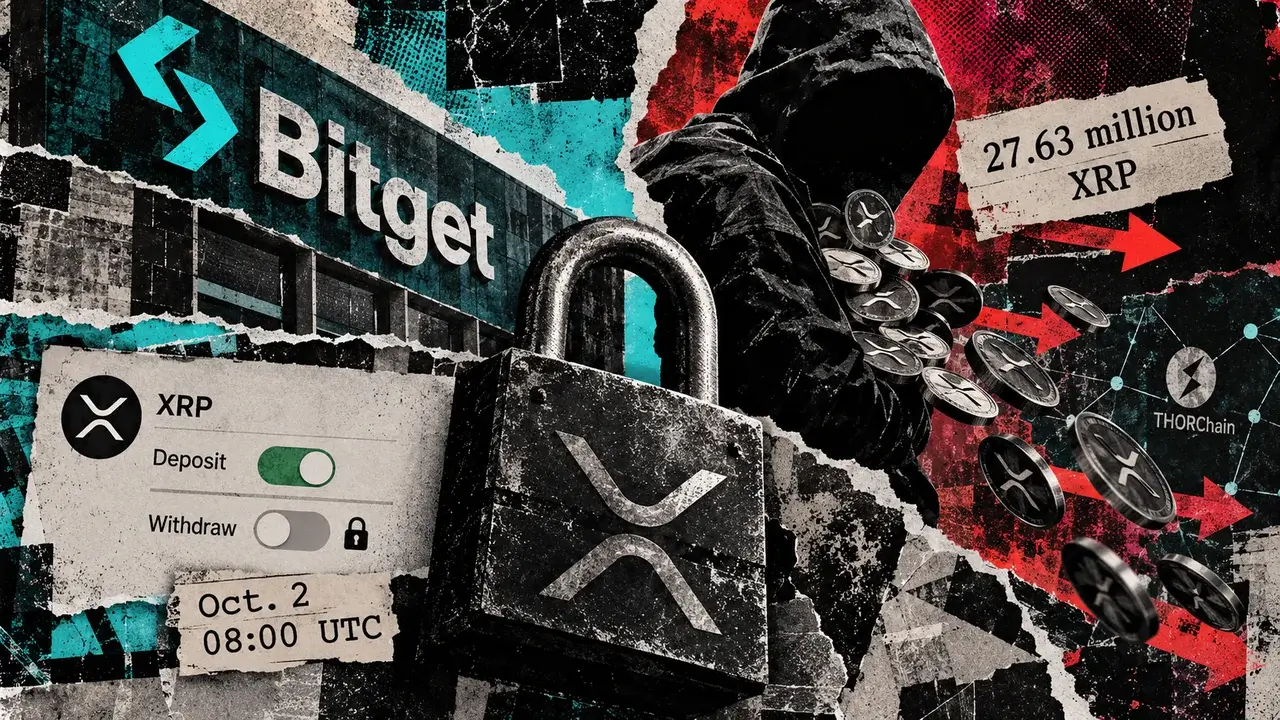
Bitget freezes XRP withdrawals as 27M stolen tokens move
Bitget’s XRP withdrawal route was still disabled on Sept. 26, even as the exchange set Oct. 2 at 08:00 UTC for the last phase of i...

DYORSWAP users tricked into sending 767 ETH to fake bridge contract
Crypto scammers managed to trick DYORSWAP, a multi-chain decentralized exchange, into integrating a spoofed version of upcoming bl...