Cheaper, faster, riskier — The rise of DeepSeek and its security concerns
Opinion by: Ahmad Shadid, CEO of O.xyzThe DeepSeek saga made it abundantly clear that cheaper AI models can offer breakthrough advantages. DeepSeek challenges traditional investments with low-cost, high-performance techn...
Archive context
Older archive item. Useful for background and entity history, but not a fresh market-moving signal.
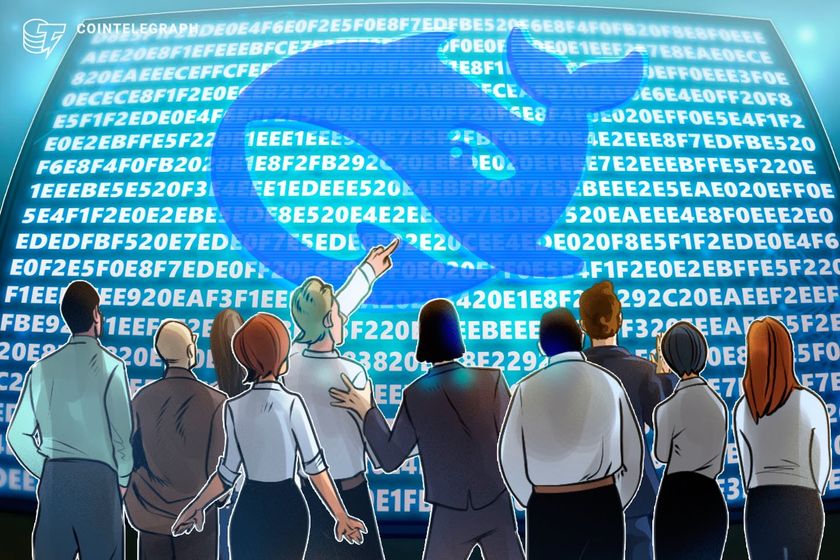
Opinion by: Ahmad Shadid, CEO of O.xyz
The DeepSeek saga made it abundantly clear that cheaper AI models can offer breakthrough advantages. DeepSeek challenges traditional investments with low-cost, high-performance technology. Yet its rise brings serious risks.
The most concerning aspects of such models are data privacy and security issues. The fact that such advanced models can be developed at a fraction of the standard expense does boost innovation and investment prospects, but at what cost?
Cost-cutting AI models can create dangerous vulnerabilities, even if they democratize AI development. A recent Cisco study found that DeepSeek’s R1 model had a 100% attack success rate. In simple terms, the model failed to block a single harmful prompt. Why does security take a backseat during such innovation?
DeepSeek sparks AI frenzy in ChinaDeepSeek developers claim that its R1 chatbot costs a fraction of what rivals like OpenAI spend. Industry voices labeled this as the biggest AI chatbot story since November 2022. Microsoft and Amazon Web Services moved quickly to support DeepSeek.
This progress comes with risks. DeepSeek’s AI model stores user data on servers in China. Chinese law forces companies to share data with state agencies. This policy may allow the Chinese government to harvest US consumer data.
OpenAI raised concerns over DeepSeek in a letter to the US government. The 15-page letter highlighted that DeepSeek’s advancements, particularly with its R1 model, are narrowing the US lead in AI.
From a financial viewpoint, DeepSeek’s announcement triggered a global panic. Tech stocks dropped sharply. Nvidia, a leader in chip manufacturing, lost nearly 17% in a single day. Investors reevaluated the cost and competitiveness of the AI industry. The loss in market value reached hundreds of billions of dollars.
As risk sentiment spread, the shockwaves moved quickly into other sectors like crypto. The fast and hasty reaction itself is a critical concern. If AI developers want to cash in on this low-cost development trend, we might see more models like DeepSeek emerge that sacrifice user privacy for the sake of rapid deployment.
The spillover effects on cryptoThe DeepSeek saga revealed a more concerning trend for the crypto industry. Cryptocurrencies have grown closely linked with tech stocks. When DeepSeek hit the headlines, the crypto market was not spared. Bitcoin (BTC), the most prominent digital asset, fell below $100,000.
Analysts also noted that Bitcoin’s six‐month rolling correlation with the Nasdaq Composite rose to about 0.5. This indicates that risk assets like Bitcoin follow suit when tech stocks falter. So, future developments that damage the mainstream tech market can also take a toll on the crypto market.
Critics, including Jean Rausis of Smardex, maintain that DeepSeek’s technology “has nothing to do with Bitcoin” on a fundamental level. The prevailing market fear, however, meant that any shock in the tech sector transmitted quickly to the crypto market. Many Bitcoin miners had moved into AI data center operations and saw shares decline by 13%–18%. This drop added to the overall uncertainty in the market.
Another concern is the increasing avenue of scams. Several DeepSeek-themed or even fake AI-themed tokens emerged and captured investors’ attention. New investors would know very little about trading on decentralized exchanges and identifying pump-and-dump or rug-pull schemes.
Security risks that can’t be ignoredSecurity researchers pointed out that the DeepSeek R1 iOS app uses outdated encryption. Such flaws expose users to the risk of cyberattacks and data breaches.
This cost-cutting can leave the system vulnerable to manipulation and misuse. The possibility that a low-cost AI model might serve foreign state interests casts a long shadow over its adoption.
Recent: OpenAI expects to 3X revenue in 2025 but Chinese AI firms are heating up
Security risks of this nature require urgent attention from companies and regulators alike. US officials worry about the storage of sensitive consumer data on Chinese servers. Regulators may impose stricter data protection standards to safeguard market confidence. Industry experts also debate the long-term influence of DeepSeek. Some argue that its cost-efficiency could push the entire AI sector forward.
They see lower training costs as an opportunity to drive innovation and increase competition. This could lead to broader adoption of AI tools and lower costs. Yet the security shortcomings remain unresolved. The risk that cheaper models expose users to data breaches and cyberattacks overshadows potential benefits.
What’s ahead?As regulators and industry leaders step in to examine these issues, the future of AI depends on how well we manage these security risks. We must demand higher standards for data protection, even as we push for innovation.
DeepSeek’s case reminds us that breakthroughs in efficiency must come with strong safeguards. The choices made now will shape the future of AI and consumer data protection. The debate over cheaper, faster but riskier technology is far from over and will continue to influence the tech and crypto space for years to come.
Opinion by: Ahmad Shadid, CEO of O.xyz.
This article is for general information purposes and is not intended to be and should not be taken as legal or investment advice. The views, thoughts, and opinions expressed here are the author’s alone and do not necessarily reflect or represent the views and opinions of Cointelegraph.
Why this matters
This security story adds another data point to the current market tape and is useful when read alongside nearby source coverage.
Original source
Read on CointelegraphRelated market context

Bitcoin Price Prediction: BTC Risks $80,000 After Trump Rejects Iran Ceasefire Offer
Bitcoin sits at roughly $83,000, down 1.6% over the past 24 hours, after President Trump rejected Iran’s seven-day ceasefire propo...

Coinbase CEO Brian Armstrong wants internal teams to compete like startups, with AI agents as the referees
Coinbase's AI-driven internal competition model could accelerate innovation but risks embedding biases and creating uncharted orga...
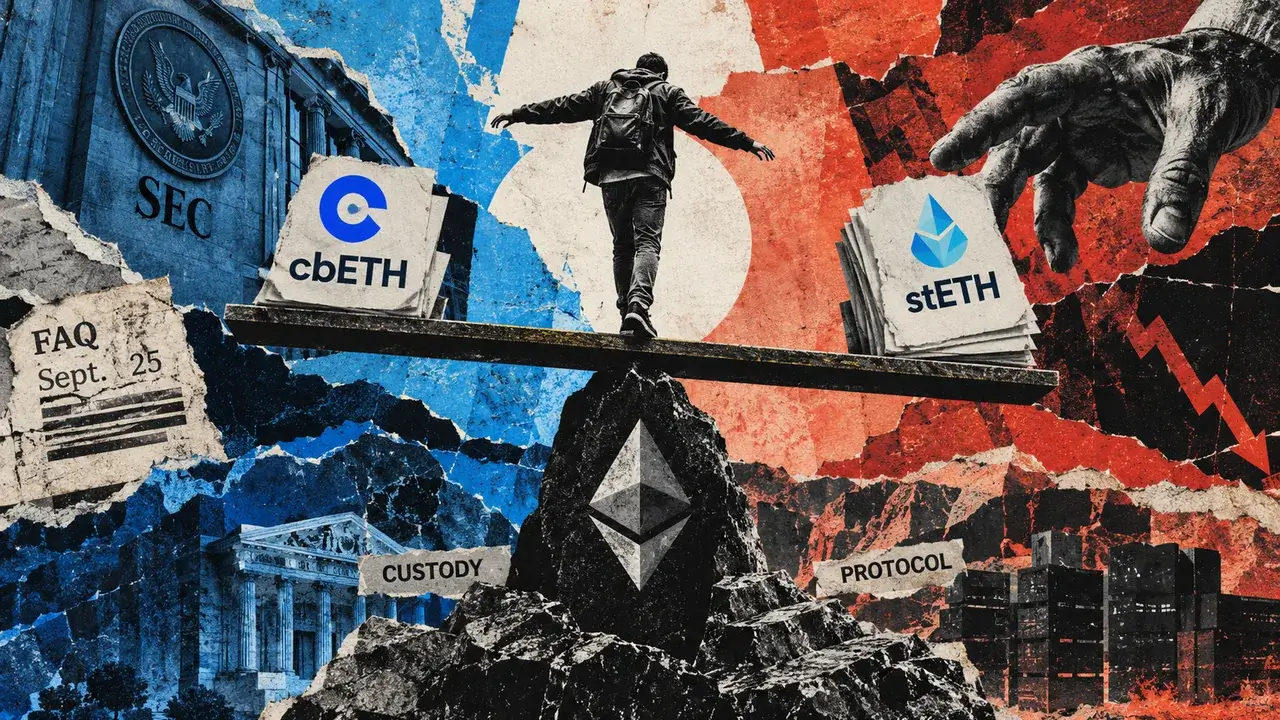
SEC staff’s staking-token split spotlights the exit risks behind staked ETH tokens
An ETH holder can sell a liquid-staking token while the ETH behind it remains staked. A Sept. 25 SEC staff FAQ draws a conditional...
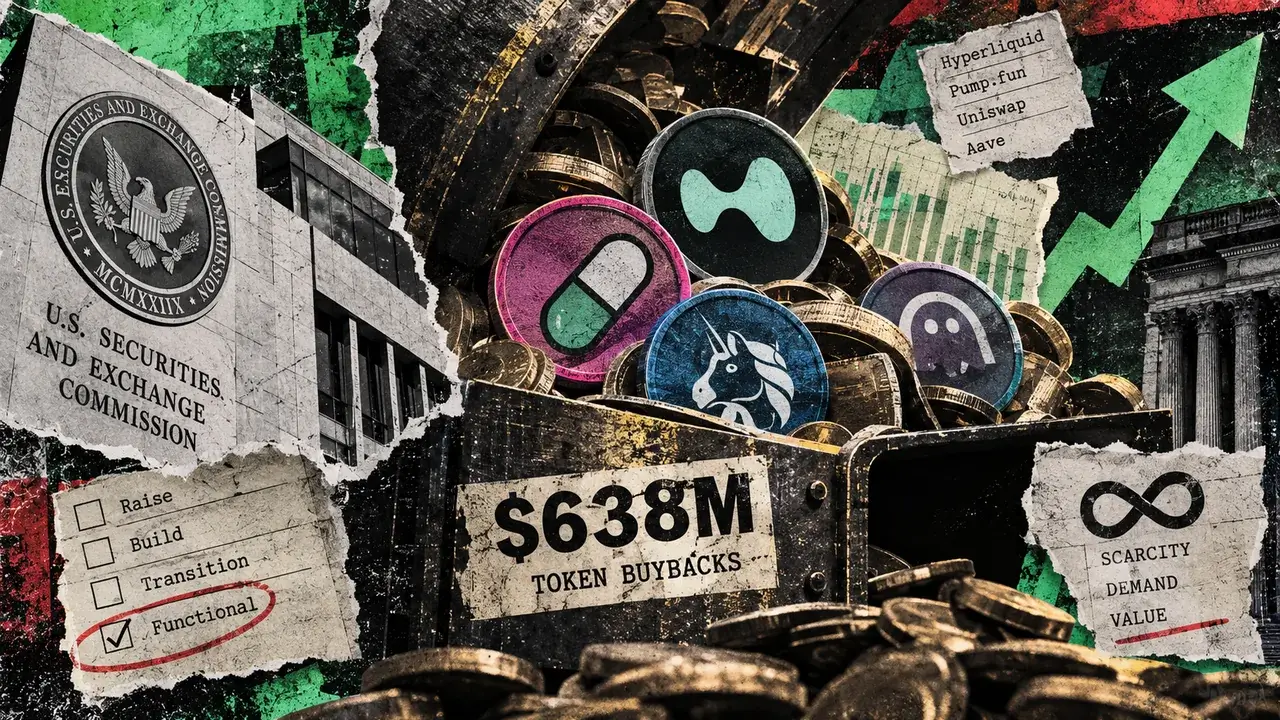
SEC clears regulatory hurdle as crypto token buybacks hit record $638 million
Crypto projects spent about $638 million with token buybacks through late August 2026, according to Allium Labs data. That is alre...
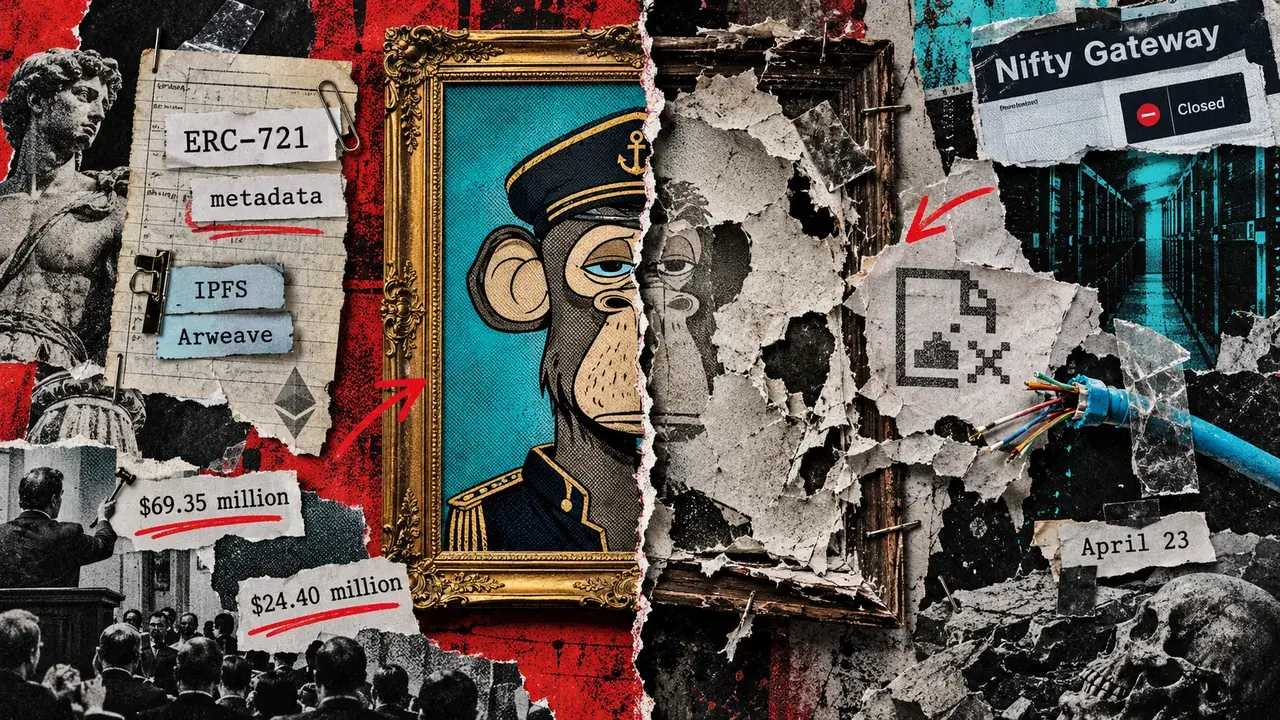
The NFT party is over and everybody now owes storage rent
In 2021, Christie's sold a Beeple NFT for $69.35 million, and Sotheby's took another $24.40 million for 101 Bored Ape Yacht Club N...

Circle Agent Marketplace Brings USDC Payments and Live Data Tools to Arc Blockchain
Key Takeaways: Circle Agent Marketplace now makes services available for AI agents on Arc. Agents have access to live web search,...