Chinese Central Bank Governor: User Privacy and Financial Security Key Principles Guiding CBDC Design Process
According to Yi Gang, governor of China’s central bank, the process of designing the country’s digital currency is premised on two principles, the protection of user privacy as well as ensuring “financial security.” To a...
Archive context
Older archive item. Useful for background and entity history, but not a fresh market-moving signal.

According to Yi Gang, governor of China’s central bank, the process of designing the country’s digital currency is premised on two principles, the protection of user privacy as well as ensuring “financial security.” To achieve this, the central bank’s role will be limited to managing the digital currency’s “operating system” while the handling of personal transaction information is done by “designated operating institutions.”
Adhering to Relevant Consumer Protection LawsPeople’s Bank of China (PBOC) governor Yi Gang has said the process of designing China’s central bank digital currency (CBDC), the digital yuan (also known as e-CNY), is guided by two principles: maintaining financial security and the protection of users’ privacy. To ensure the principles are adhered to, Gang claimed his institution’s role will be limited to managing the e-CNY operating system as well as handling cross-border transactions.
Also, in his Oct.31 remarks to Hong Kong Fintech Week 2022 participants, Gang insisted the PBOC “does not handle personal transaction information.” This task as well as the provision of e-CNY exchange services and circulation of the digital currency is handled by the so-called “designated operating institutions.”
Meanwhile, the PBOC governor appeared to use his speech, which was delivered in his native language, to reiterate the bank’s commitment to the law. He said:
“The People’s Bank of China strictly follows relevant laws and regulations on consumer privacy protection and ensures the security of personal information through advanced technical means and strict management mechanisms. Transaction data is encrypted and stored. [The bank anonymizes] personal sensitive information, which is not visible to third parties. Without the full authorization of the law, no unit or individual may inquire about or use the relevant information.”
Narrowing the Financial Exclusion GapAccording to Gang, e-CNY users will have access to 4 wallets with lower limits as well as “quasi-account-type ‘hard wallets’ [to] support small-value anonymous transactions both online and offline.” The governor also used his speech to reassure the Chinese public that the PBOC will still “provide physical RMB cash services to fully meet the needs of the public.”
Concerning the ongoing research and development of the digital yuan, the PBOC revealed that this is being done to gain knowledge about the domestic retail payment needs as well as to “improve the level of financial inclusion.” The improving of “the efficiency of the central bank’s currency issuance and payment system” is another reason why the POBC is proceeding with the digital currency project, Gang added.
In addition to its research, the Chinese central bank is working with the Hong Kong Monetary Authority and according to Gang, the PBOC is also open to working with other monetary authorities.
What are your thoughts on this story? Let us know what you think in the comments section below.
Why this matters
This security story adds another data point to the current market tape and is useful when read alongside nearby source coverage.
Original source
Read on Bitcoin NewsRelated market context

Bitcoin as Digital Real Estate: An Excerpt from Leon Wankum’s Digital Real Estate
Bitcoin Magazine Bitcoin as Digital Real Estate: An Excerpt from Leon Wankum’s Digital Real Estate Bitcoin can be understood throu...

Bank of Russia Lets Brokers Count Crypto as Capital. Anything Off-List Is Treated as 100% Risk
The central bank's draft rules recognise digital currencies as capital, but treat anything outside its approved perimeter as pure...

Ripple Lands 3rd Korea Deal, Jeonbuk Bank Brings 24/7 Crypto Payments to Firms
Key Takeaways: Jeonbuk Bank is the first regional bank in Korea to use Ripple Payments. The service allows cross-border settlement...

Dutch Prosecutors Raise $2.55M From Crypto Tied to Bankrupt Knaken
A court-appointed trustee warns that the 6,300 customers of the bankrupt Dutch crypto platform Knaken face severe financial losses...
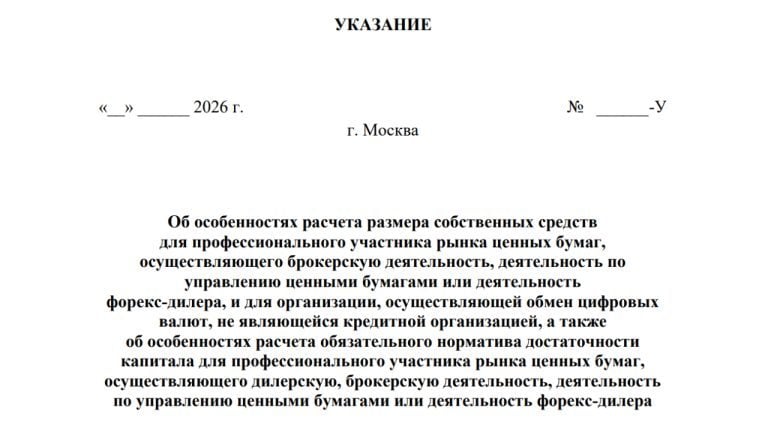
Bank of Russia Limits Crypto Equity to 25% for Market Brokers
The new rules, which target professional market participants, dictate that cryptocurrencies approved for trading must be included...

Wyoming migrates Frontier Stable Token to Chainlink’s CCIP after security review
Wyoming's shift to Chainlink's CCIP for its stablecoin could enhance security and interoperability, influencing future state-backe...