Coinbase Says Its AI Blocked $4.7 Million in Deepfake Elon Musk Scam
Bitcoin Magazine Coinbase Says Its AI Blocked $4.7 Million in Deepfake Elon Musk Scam Coinbase (COIN) said its AI scam-prevention agent stopped about $4.7 million in customer funds from reaching scammers who used a deepf...
High signal
Fresh in the current trading session. 3 independent sources are tracking the same story.
Bitcoin Magazine
Coinbase Says Its AI Blocked $4.7 Million in Deepfake Elon Musk Scam
Coinbase (COIN) said its AI scam-prevention agent stopped about $4.7 million in customer funds from reaching scammers who used a deepfake of Elon Musk to pitch a fake Tesla crypto giveaway, blocking roughly 91% of the money customers tried to send. The exchange described the incident in a Tuesday blog post, part of a weekly series on consumer protection. It said the system worked “with no humans in the loop.”
Those two figures imply customers tried to send about $5.2 million, and that roughly $460,000 still left their accounts. Coinbase did not say how much reached the scammers.
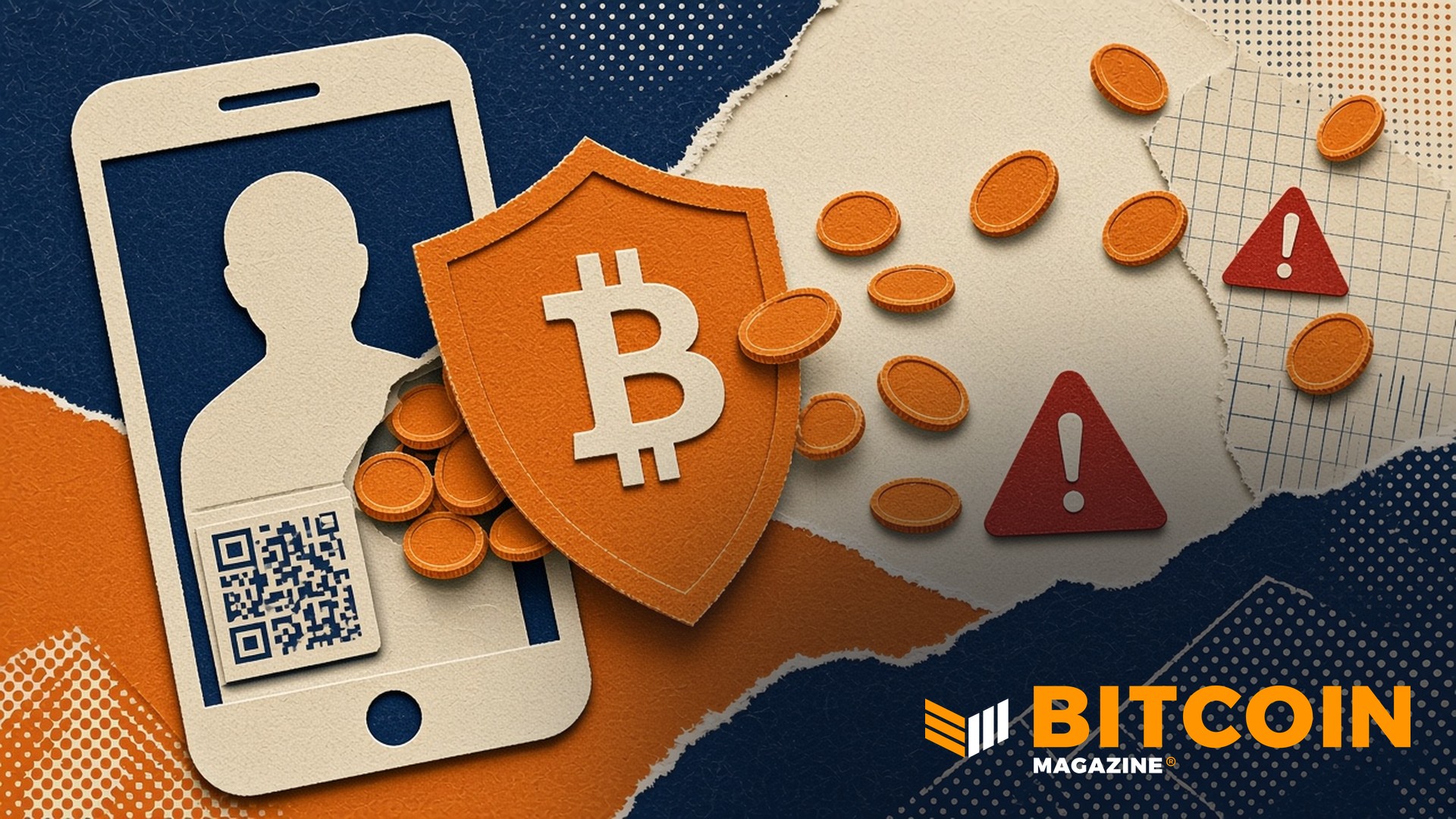
A livestream that wasn’t realThe scam ran during Tesla’s “flying car” demo. Scammers set up a YouTube livestream that looked like the real broadcast, with a deepfake Musk, on-screen wallet addresses and a QR code. The stream promised to double any crypto sent to it, and more than half a million people watched, Coinbase said.
Over about two hours, hundreds of Coinbase customers tried to send millions of dollars to the addresses on screen. Many were long-time users. Coinbase did not say when the fake stream ran or which coins customers tried to send.
The company stressed that its platform was not breached. “Nobody was hacked,” Coinbase wrote. “No Coinbase account was broken into, no password stolen, no credential phished.” That is what makes giveaway fraud hard to stop, since most defenses look for activity the account holder did not authorize, and here the customers logged in and pressed confirm themselves.
“Our systems can see risk signals in real time. They can’t see intent,” the post said.
How the agent worksCoinbase said its defense has three parts. Machine learning models first score outgoing sends in real time, watching for giveaway patterns, brand impersonation and newly created wallet addresses. The goal, the company wrote, is “to catch the danger, not the customer.” When a send is flagged, a scam-specific agent takes over, looking up context, naming the scam pattern, explaining how giveaway schemes work and asking questions meant to make the story fall apart.
Each reply is scored for confidence before the customer sees it, so the system knows when a situation needs more friction. The agent had never been trained on this kind of con, Coinbase said. Deepfake giveaways tied to a live product launch were not in its training data.
“It recognized the shape of the scheme anyway,” the company wrote, pointing to the promise to multiply funds, the deadline of a live event and a transfer that could not be reversed.
Cheaper fakesCoinbase said deepfakes have changed the economics of the scam. Staging something like this once took “a crew, a studio, and weeks,” it wrote. “Now it takes a livestream slot and a model.” The company said it is expanding AI review of risky sends to every type of scam, not just high-profile ones, and is also using AI to label new scam cases so its models learn from attacks within hours instead of weeks.
Social engineering has been a steady problem for Coinbase customers. In September, a Brooklyn man was sentenced to 12 years in prison over a $16 million Coinbase phishing scam. This week, Trezor customers reported scam calls after a breach at the hardware wallet maker’s shipping partner exposed 27,000 orders.
The post came the same day Coinbase launched a ChatGPT plugin for trading bitcoin, stocks and derivatives, which requires users to approve every order. Coinbase closed the post with a list of things it will never do, including promising to double, triple or multiply crypto that customers send.
“Nobody legitimate will double your crypto,” the company wrote.
This post Coinbase Says Its AI Blocked $4.7 Million in Deepfake Elon Musk Scam first appeared on Bitcoin Magazine and is written by Micah Zimmerman.
Why this matters
Coinbase is showing up inside the Security Incidents theme, so this story is worth tracking for follow-through rather than treating it as a one-off headline.
Original source
Read on Bitcoin MagazineSame story, other sources
Cross-source coverage
3 sources
Coinbase AI Stops $4.7M Scam Using Deepfake Elon Musk
Coinbase said its AI-powered fraud detection system prevented $4.7 million in cryptocurrency tr...
Coinbase Says Its AI Agent Stopped $4.7 Million From Reaching Deepfake Musk Scammers
Coinbase said its artificial intelligence (AI) scam-prevention agent kept about $4.7 million of...
Related market context

Etherscan Hacked? Crypto Users Have Had Enough as Support Security Scare Sparks Alarm
Another day, another security scare. This time, Etherscan is warning users after detecting unauthorized access attempts against it...
Arthur Hayes Touts ETH Rally, Then Linked Wallet Sends $8.5M in ETH to Coinbase
A day after Arthur Hayes named ether among four tokens he expects to rally, a wallet linked to the Bitmex co-founder sent 4,700 ET...
Ark Invest buys crypto stocks as it sells $85 million in Nvidia, Coinbase brings onchain loans to New York, and more
In today's newsletter, Ark Invest buys crypto stocks while selling $85 million in Nvidia; Coinbase expands onchain crypto loans to...

Global Kiwi Labs raises $4 million to bring exchange infrastructure to crypto
Global Kiwi Labs' initiative could level the playing field in crypto trading, potentially enhancing market fairness and liquidity...
Strategy Adds 485 Bitcoin as It Repurchases $228 Million of STRC Preferred Shares
TL;DR Strategy disclosed a 485-BTC purchase for approximately $33.4 million. Total holdings reached 850,849 BTC at the reporting d...

HKMA and Swift Link Tokenized Deposits to 24/7 Cross-Border Payment Infrastructure
Key Takeaways: HKMA and Swift are conducting cross-border payments trials with cross-border bank deposits in token format. Project...