CoinMarketCap Hacked, Scrambles to Remove Malicious Wallet Verification Popup
CoinMarketCap was hacked on Friday after a malicious popup appeared on its website, urging users to “verify” their wallets. Key Takeaways: CoinMarketCap was hacked after a fake wallet verification popup appeared on its s...
Archive context
Older archive item. Useful for background and entity history, but not a fresh market-moving signal.

CoinMarketCap was hacked on Friday after a malicious popup appeared on its website, urging users to “verify” their wallets.
Key Takeaways:
- CoinMarketCap was hacked after a fake wallet verification popup appeared on its site, triggering phishing concerns.
- MetaMask and Phantom flagged the site as unsafe, warning users against connecting wallets.
- The breach has revived criticism of CoinMarketCap’s security, nearly four years after its major data leak.
The phishing-style notification asked users to connect their wallets and approve ERC-20 token access, raising immediate red flags across the crypto community.
Wallet providers like MetaMask and Phantom quickly flagged the site as unsafe, with Phantom displaying a browser warning against using the platform.
CoinMarketCap Removes Malicious PopupIn a Friday post on X, CoinMarketCap confirmed the removal of the malicious popup. “We’ve identified and removed the malicious code from our site,” the platform said.
The company added that it is continuing to investigate the breach and is reinforcing its security measures to prevent similar incidents.
Update: We've identified and removed the malicious code from our site.
Our team is continuing to investigate and taking steps to strengthen our security.
The malicious prompt, which triggered warnings from wallet providers like MetaMask and Phantom, reportedly asked users to connect their wallets and approve access to ERC-20 tokens.
Phantom’s browser extension even flagged CoinMarketCap as “unsafe to use,” raising concerns about the platform’s vulnerability.
Reports of the phishing attempt began circulating across crypto social media, with several users alerting others not to interact with the prompt.
Many suspected the attack was an attempt to steal wallet credentials through a fake interface mimicking a legitimate verification process.
The incident has reignited concerns about CoinMarketCap’s security, coming nearly four years after a 2021 data breach exposed the email addresses of over 3.1 million users.
That data was later discovered for sale on hacking forums, prompting criticism over the platform’s safeguards.
SECURITY ALERT
We're seeing reports that @CoinMarketCap's front end has been compromised and is trying to trick people into linking their wallets, presumably to drain them. pic.twitter.com/a0JREDSPvS
CoinMarketCap, owned by Binance, remains one of the most widely used resources in the crypto space, making it a prime target for malicious actors looking to exploit its credibility.
Users are urged to avoid connecting wallets to unsolicited prompts and to verify all interactions through official channels.
The company has not disclosed the source of the breach but has committed to ongoing security reviews.
Crypto Crime Turns Violent as Illicit Transactions Top $40B in 2024Illicit cryptocurrency activity surged to at least $40.9 billion in 2024, according to Chainalysis, with the number likely to grow as more criminal-linked wallets are identified.
Hacks alone accounted for $2.2 billion in stolen assets, a 21% increase from the previous year.
North Korean-linked groups, including Lazarus and Tradetraitor, were behind over 60% of those thefts, with major incidents like the $300 million hack of Japan’s DMM Bitcoin exchange among their hits.
But the threats go beyond online exploits. Criminal groups are using crypto to fund and conceal a wider range of crimes—from investment scams and AI-enhanced romance frauds to drug trafficking and even physical violence.
In one alarming case on May 13, 2025, the daughter and grandson of Paymium’s CEO were nearly kidnapped in Paris by masked men.
The post CoinMarketCap Hacked, Scrambles to Remove Malicious Wallet Verification Popup appeared first on Cryptonews.
Why this matters
This security story adds another data point to the current market tape and is useful when read alongside nearby source coverage.
Original source
Read on CryptonewsRelated market context

Bitget Confirms $351.6M Hot Wallet Breach And Pauses Withdrawals
Bitget says unauthorized transfers affected approximately $351.6 million held across parts of its hot and warm wallet infrastructu...
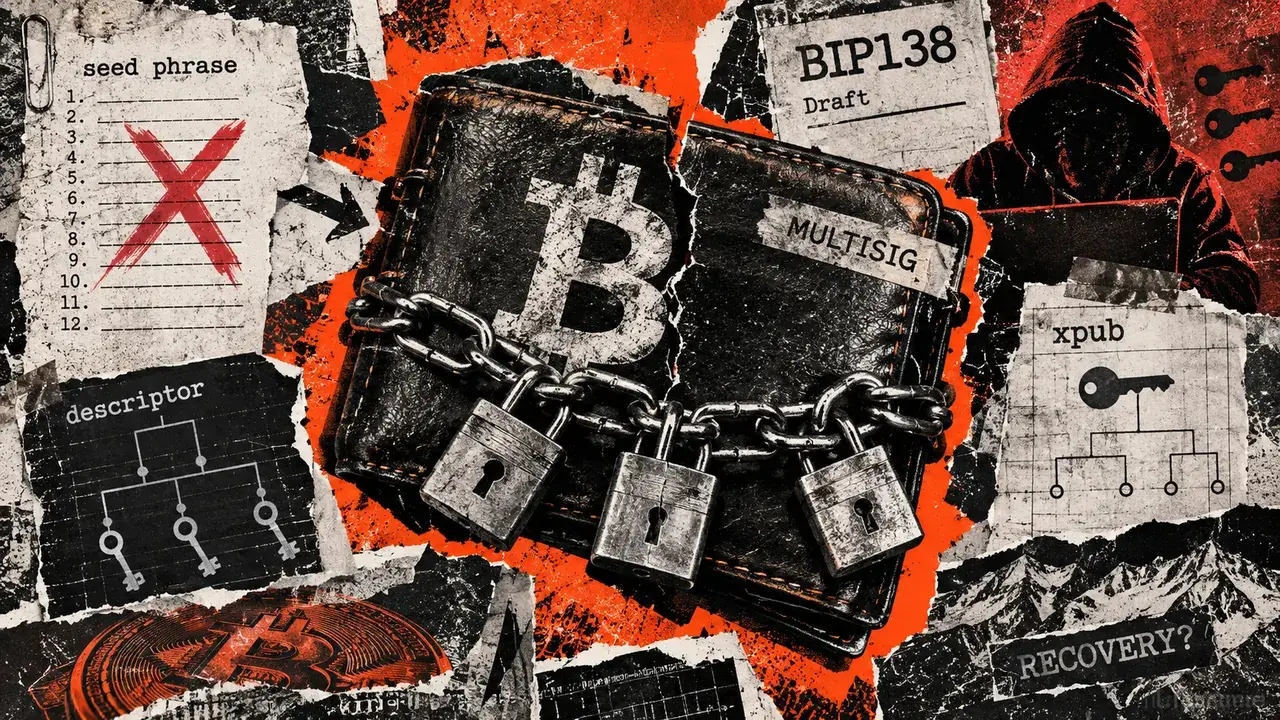
New Bitcoin proposal rescues locked multisig wallets – At a hidden cost
Bitcoin's BIP138 wallet-backup proposal was merged into the Bitcoin Improvement Proposals repository on Sept. 21, but the specific...

Crypto Hacks: Three Projects Hacked in One Day as Losses Hit Over $11M
Three crypto projects were attacked on September 24, suffering combined losses of more than $11M. Attackers drained around $1.8M f...
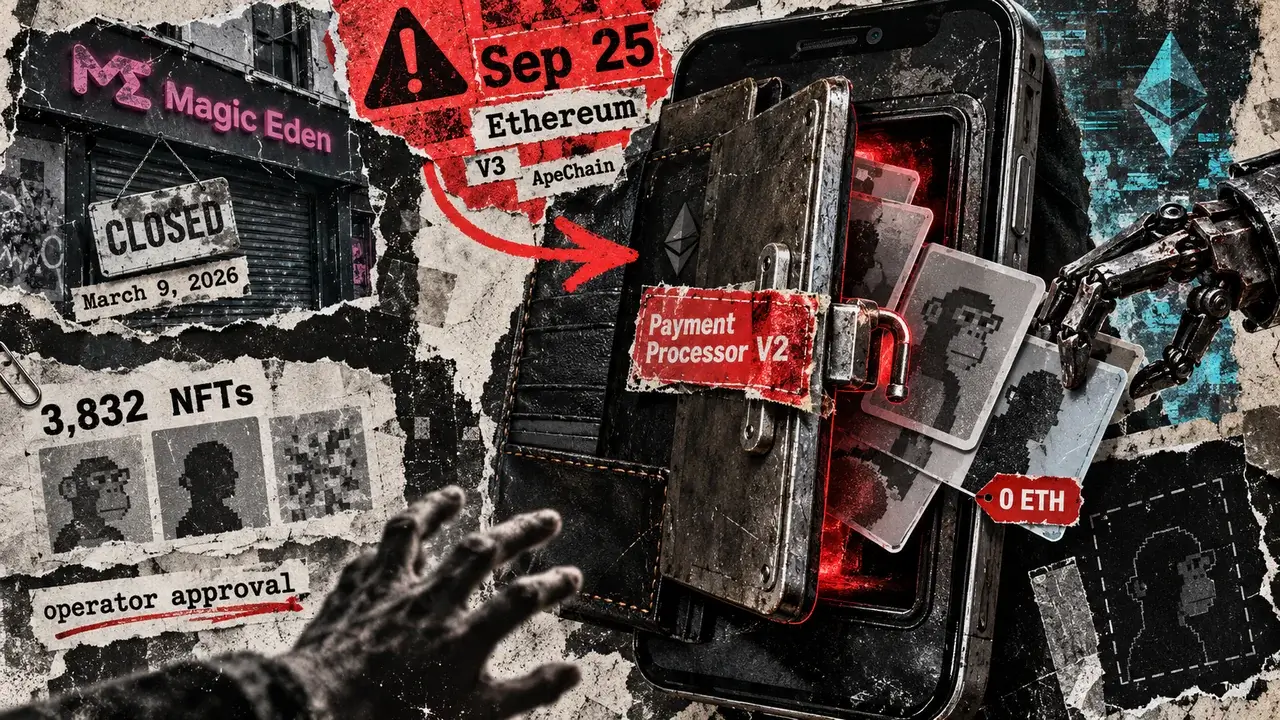
Old Magic Eden NFT approvals put users at risk after whitehat moves 3,832 NFTs
Old Magic Eden NFT approvals could still put some former users at risk months after the company closed its Ethereum marketplace. A...

D’CENT app wallet attack drains 12.4M XRP from thousands of users over 10-day spree
The attack highlights the critical need for robust security measures and timely updates to prevent large-scale cryptocurrency thef...

Binance Wallet lets users pay gas fees in USDT across four major networks
Binance Wallet's USDT gas fee option simplifies crypto transactions, potentially increasing user adoption and reducing reliance on...