Crypto ‘Pig-Butchering’ Scam Escalating Into A National Security Risk— Study
Chain analysts and law enforcement are sounding the alarm about a type of fraud known as “pig-butchering,” in which criminals groom victims online and push them into fake crypto investments. According to Chainalysis, cry...
Archive context
Older archive item. Useful for background and entity history, but not a fresh market-moving signal.

Chain analysts and law enforcement are sounding the alarm about a type of fraud known as “pig-butchering,” in which criminals groom victims online and push them into fake crypto investments.
According to Chainalysis, crypto scams sent close to $10 billion on-chain in 2024, with pig-butchering revenue growing almost 40% year-over-year and the number of deposits into those scams rising more than 200% — even as the average deposit size fell roughly 55%.
These shifts point to a model that now relies on many more victims paying smaller amounts, making the operation both lucrative and hard to trace.
Organized Networks Behind The ScamsInvestigators say these are not lone fraudsters. Reports have disclosed that scam networks operate like organized criminal enterprises, sometimes using trafficked workers in compounds to call, message and manage victims.
Victim grooming can span weeks or months, turning emotional manipulation into a steady revenue stream for the gangs. Research and reporting have tied some of these operations to regions in Southeast Asia and to groups that move money through concentrated crypto wallets.
AI And Marketplaces Help Scammers ScaleLaw enforcement and analysts warn that generative AI and service markets are making the pig butchering scams cheaper and faster to run.
According to Chainalysis and multiple news outlets, AI tools are being used to create convincing chatbots, voice clones and fake profiles, while online marketplaces sell domain services and hosting that let scammers spin up lifelike investment sites. That combination has helped fraud operators widen their reach and target more people at once.
Infrastructure And SanctionsAuthorities have started to hit the infrastructure that supports the scams. The US Treasury’s OFAC sanctioned a Philippines-based firm, Funnull Technology Inc., and its alleged administrator for supplying internet infrastructure and tools used by fraud networks.
Chainalysis and other researchers tied Funnull’s services to sites used in pig-butchering, and US losses linked to those operations were said to exceed $200 million in some investigations. Sanctions aim to cut off access to the web services scammers use to appear legitimate.
Exchanges And Stablecoin Issuers Help Freeze Illicit FundsPrivate companies have been part of the response. In a coordinated effort with APAC law enforcement, Chainalysis, exchanges and stablecoin issuers helped trace and block nearly $47 million in USDT that had been consolidated by scammers into a few wallets.
Earlier actions involving other cases led to much larger freezes. Those moves show how industry cooperation can stop some cash-outs before criminals convert crypto into fiat.
Featured image from Unsplash, chart from TradingView
Why this matters
This security story adds another data point to the current market tape and is useful when read alongside nearby source coverage.
Original source
Read on NewsBTCRelated market context

US Charges Man After Crypto Scam Wallets Received More Than $53M
TL;DR U.S. prosecutors have charged a Vietnamese national with money laundering tied to alleged cryptocurrency “pig butchering” sc...
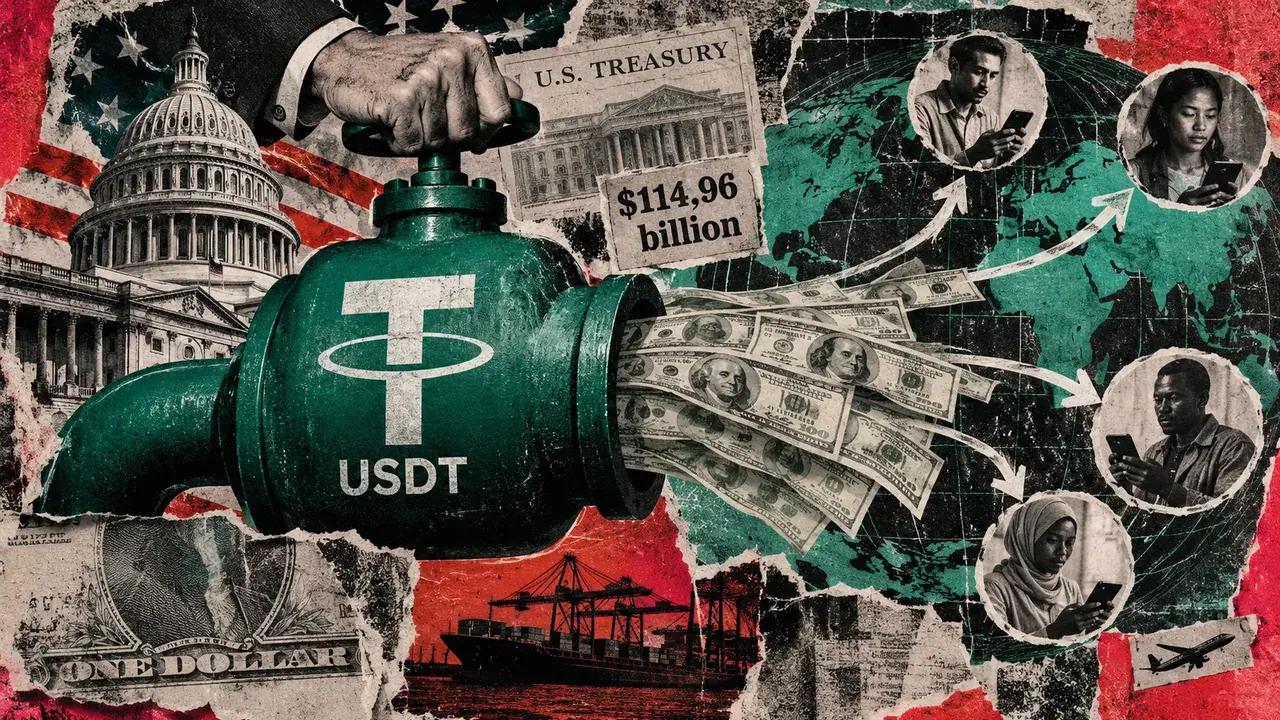
Washington has $114 billion reasons to want Tether around
Not that long ago, Washington fined Tether for misleading people about the dollars behind its tokens. Today, the company's insatia...
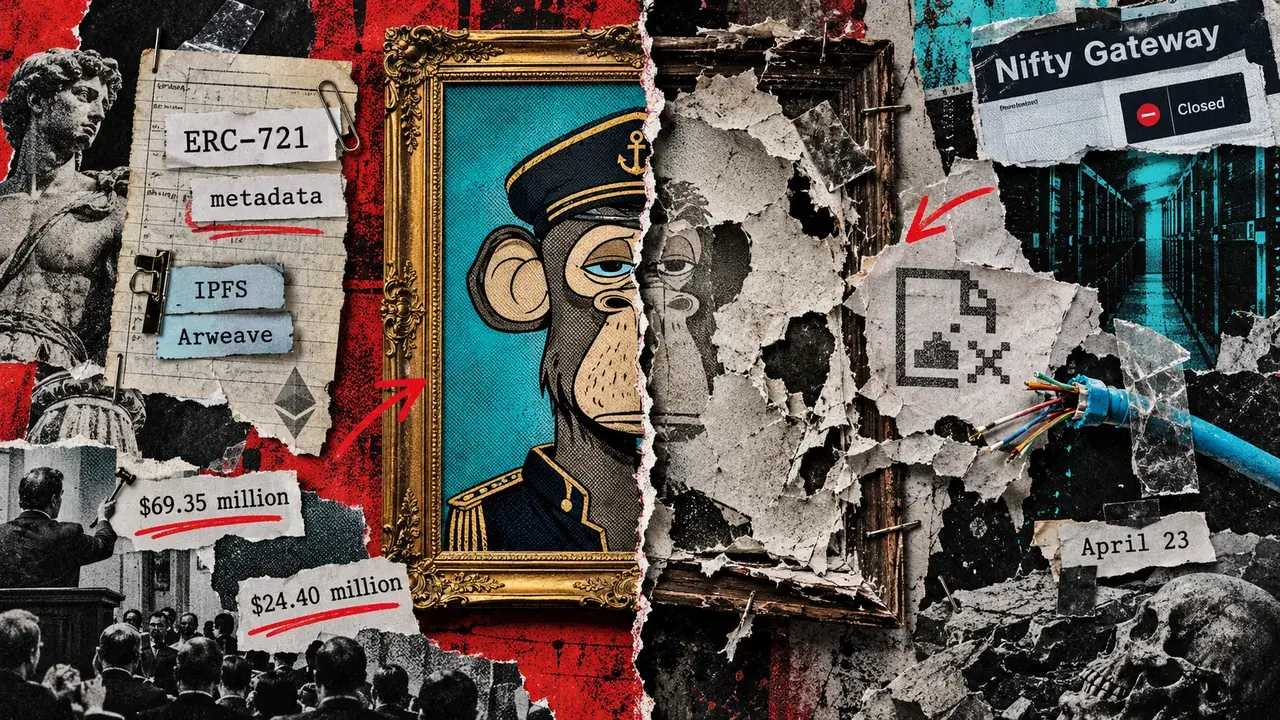
The NFT party is over and everybody now owes storage rent
In 2021, Christie's sold a Beeple NFT for $69.35 million, and Sotheby's took another $24.40 million for 101 Bored Ape Yacht Club N...

SEC Staff Clear Token Buybacks on Working Networks, With a Warning for Unfinished Ones
More crypto projects are using revenue to buy back their own tokens, the way public companies repurchase stock. Ethena proposed a...
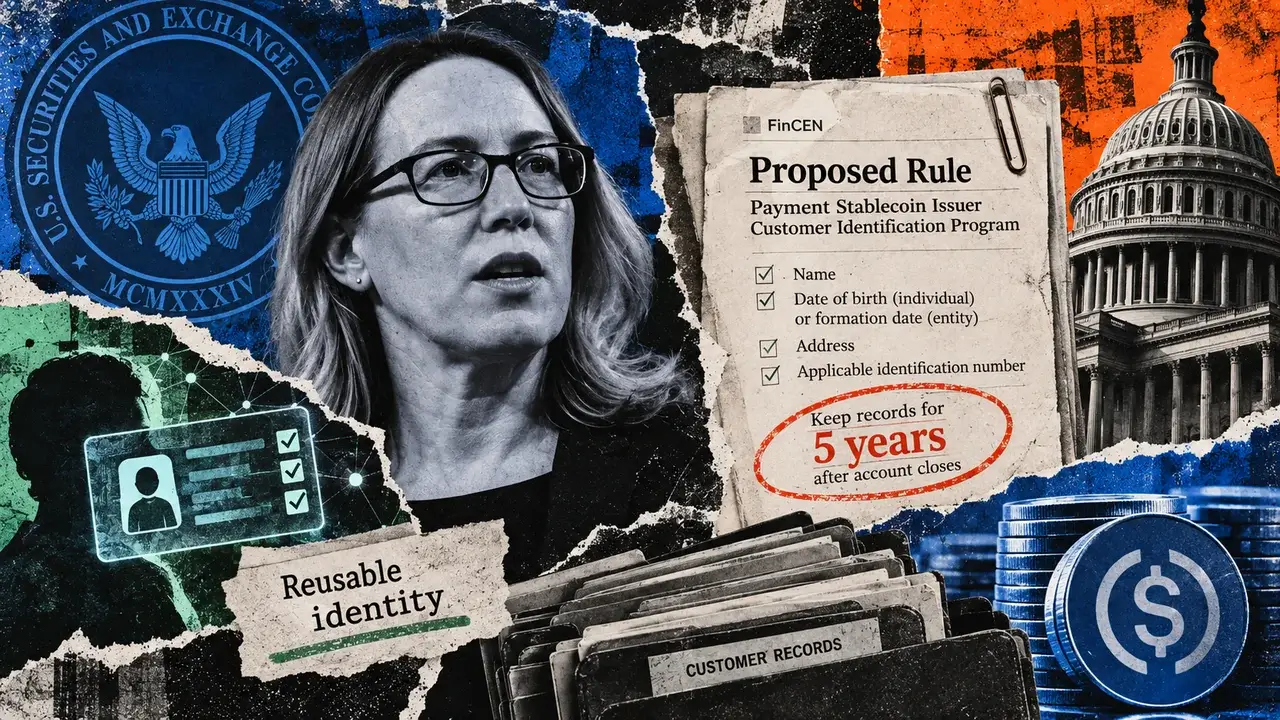
SEC’s Hester Peirce wants to end crypto’s KYC honeypots before stablecoin rules create more of them
US Securities and Exchange Commission (SEC) Commissioner Hester Peirce wants financial firms to stop stockpiling customer data aft...

Ethereum is not instant, but collateral could make it feel that way
When a payment app tells you a transfer is complete, you start making decisions. You hand over whatever you've sold, spend the mon...