Crypto scam uses trade war fears to lure victims, Canadian watchdogs warn
Crypto scammers are using fake news articles and the likeness of government figures to capitalize on trade war fears, according to securities regulators in the Canadian provinces of Alberta and New Brunswick.The Alberta...
Archive context
Older archive item. Useful for background and entity history, but not a fresh market-moving signal.

Crypto scammers are using fake news articles and the likeness of government figures to capitalize on trade war fears, according to securities regulators in the Canadian provinces of Alberta and New Brunswick.
The Alberta Securities Commission said in a March 7 alert that a “crypto investment scam called CanCap” faked an endorsement from then-Prime Minister Justin Trudeau through a fake news article from Canada’s national public broadcaster, the CBC.
“The fake article notes that the Prime Minister is purportedly responding to US tariffs by endorsing an investment program involving digital currencies,” it said.
Source: Alberta Securities Commission
The Financial and Consumer Services Commission of New Brunswick on March 5 also warned that CanCap used a fake news article claiming that New Brunswick Premier Susan Holt endorsed the platform.
“The fake article, crafted to look like a Telegraph-Journal web article, claims that the Premier is endorsing this ‘provincial investment program’ in response to the US tariff hikes,” the commission said.
It added the article had a fake transcript of an interview Holt supposedly had with the CBC where she promoted CanCap and featured doctored photos of her unveiling the new platform.
Related: ‘Victim-blaming’ Americans can deter crypto scams reporting — Regulator
US President Donald Trump’s policies have caused major uncertainty for Canadians. His 25% tariffs on Canada, announced in February, came into force early this month, but he partially rolled them back days later, only to then quickly threaten a 250% tariff on lumber and dairy.
Mark Carney replaced Trudeau as prime minister on March 9 and slammed Trump for “attacking Canadian families” with the tariffs and vowed the country “will win” a trade war.
“The uncertainty that the US tariffs place on our economy is causing some New Brunswickers increased anxiety and concern about their financial security, and they may be looking for other means of income,” the commission’s communications director, Marissa Sollows, said in a statement. “Scammers are taking advantage of the situation, preying on individuals when they are at their most vulnerable.”
The Albertan and New Brunswicker watchdogs both noted that scammers are increasingly leveraging current events to target potential victims’ fears and are using artificial intelligence to fake endorsements and generate content to give the scheme a sense of legitimacy.
They added that scammers can quickly change the name and look of the scheme. They have already used the names “CanCentra” and “Immediate Flectinium” and have linked it to at least six other websites under varying domains.
Global losses to crypto scams, exploits and hacks totaled nearly $1.53 billion in February, a figure largely due to a $1.4 billion hack on the crypto exchange Bybit, according to CertiK.
Excluding Bybit, February’s crypto losses totaled over $126 million, still a 28.5% jump from the $98 million lost in January.
Magazine: Influencers shilling memecoin scams face severe legal consequences
Why this matters
This security story adds another data point to the current market tape and is useful when read alongside nearby source coverage.
Original source
Read on CointelegraphRelated market context
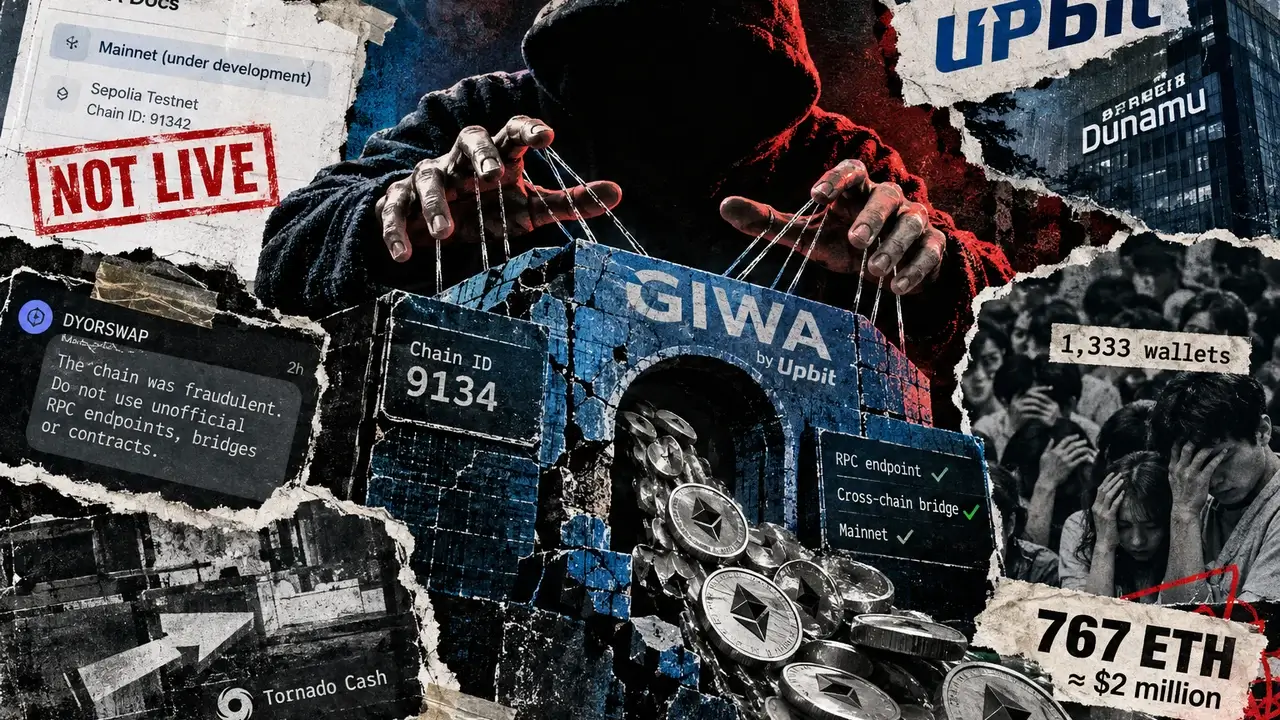
Crypto scammers built an entire fake blockchain to steal over $2 million
Scammers built a counterfeit version of Upbit-backed GIWA blockchain and lured 1,333 wallets into depositing 767 ETH, worth about...
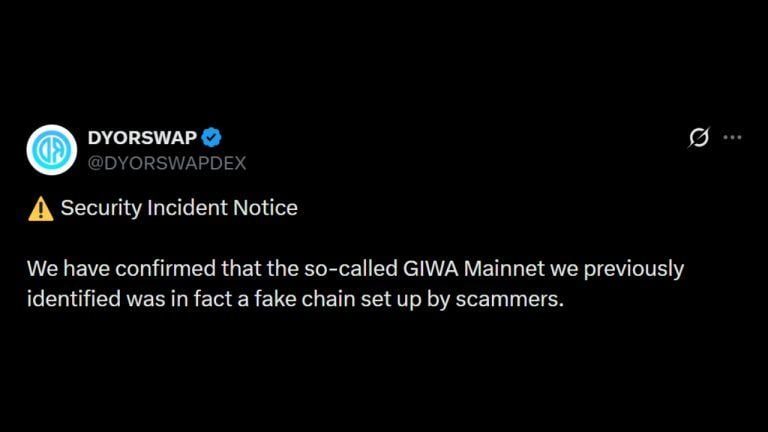
Scammers Launch Fake ETH L2 to Steal $2M From Crypto Traders
An unidentified group of threat actors launched a fake L2 chain impersonating Giwa, a project backed by Upbit, identified by DYORS...

Scammers steal over $2M by creating fake GIWA blockchain
The incident highlights the urgent need for improved blockchain security measures and verification processes to prevent similar sc...

SEC Clarifies When Crypto Buybacks And Network Upgrades Can Raise Securities Questions
TL;DR SEC staff has published new FAQs explaining how federal securities laws may apply to crypto-asset buybacks, network upgrades...
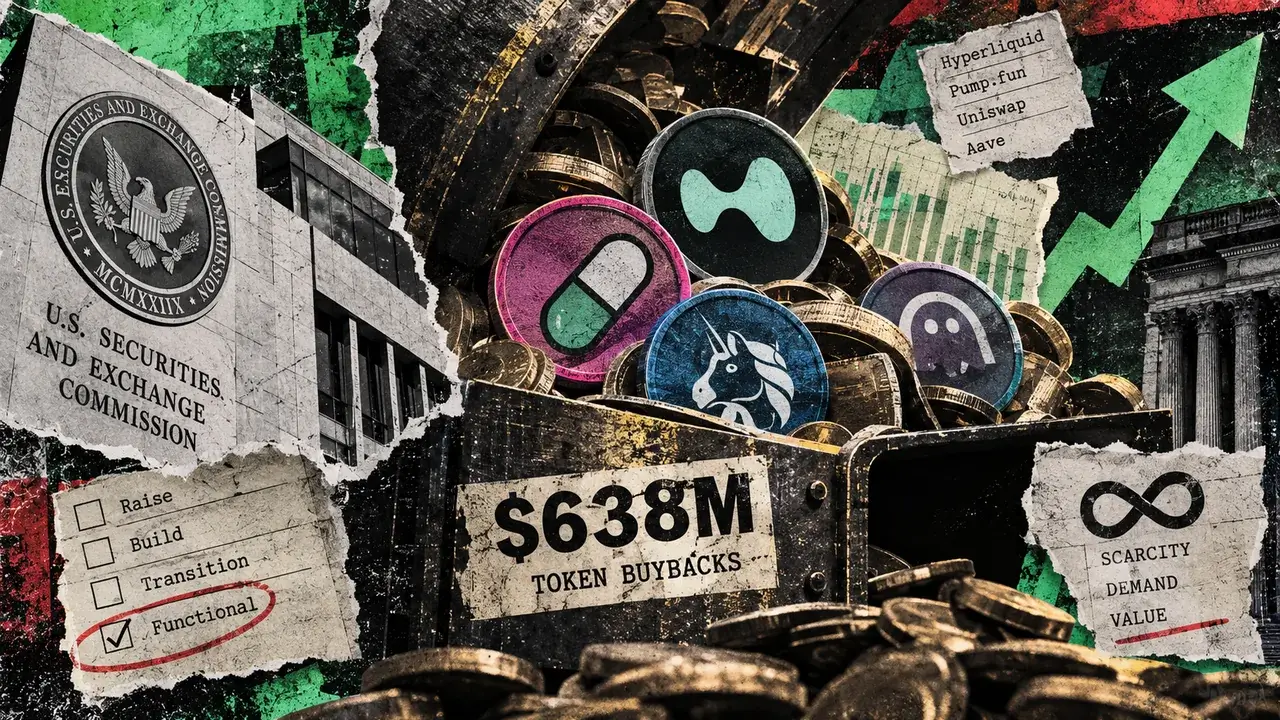
SEC clears regulatory hurdle as crypto token buybacks hit record $638 million
Crypto projects spent about $638 million with token buybacks through late August 2026, according to Allium Labs data. That is alre...

SEC staff’s staking-token split spotlights the exit risks behind staked ETH tokens
An ETH holder can sell a liquid-staking token while the ETH behind it remains staked. A Sept. 25 SEC staff FAQ draws a conditional...