Crypto Wallets Drained Off $600K Due To Ignored Phishing Attack
On January 23, Wallet Connect and other web3 companies informed their users about a phishing scam using official web3 companies’ email addresses to steal funds from thousands of crypto wallets. A Massive Phishing Campaig...
Archive context
Older archive item. Useful for background and entity history, but not a fresh market-moving signal.

On January 23, Wallet Connect and other web3 companies informed their users about a phishing scam using official web3 companies’ email addresses to steal funds from thousands of crypto wallets.
A Massive Phishing CampaignWallet Connect took X to notify its community about an authorized email sent from a Wallet Connect-linked email address. This email prompted the receivers to open a link to claim an airdrop, however, the link led to a malicious site and, as Wallet Connect confirmed, it was not issued directly by the team or anyone affiliated. Wallet Connect contacted web3 security and privacy firm Blockaid to investigate the phishing scam further.
We've detected a sophisticated phishing attack impersonating @WalletConnect via a fake email linking to a malicious dapp.
Blockaid enabled wallets are safe.https://t.co/quz9olGrpZ pic.twitter.com/TYS0BjIk2J
— Blockaid (@blockaid_) January 23, 2024
In the following hours, crypto sleuth posted a community alert to inform unaware users that CoinTelegraph, Token Terminal, and De.Fi team emails were also compromised, signaling that a massive and more sophisticated phishing campaign was happening. At the time of the post, around $580K had been stolen.
After investigating, Blockaid later revealed that the attacker “was able to leverage a vulnerability in email service provider MailerLite to impersonate web3 companies.”
Email phishing scams are common among cyber scammers, making users wary of most suspicious links or emails. At the same time, companies and entities advise against opening links that do not come from their official channels. In this case, the attacker was able to trick a vast number of users from these companies as the malicious links came from their official email addresses.
The compromise allowed the attacker to send convincing emails with malicious links attached that led to wallet drainer websites. Specifically, the links led to several malicious dApps that utilize the Angel Drainer Group infrastructure.
The attackers, as Bloackaid explained, took advantage of the data previously provided to Mailer Lite, as it had been given access by these companies to send emails on behalf of these sites’ domains before, specifically using pre-existing DNS records, as detailed in the thread:
Specifically, they used “dangling dns” records which were created and associated with Mailer Lite (previously used by these companies). After closing their accounts these DNS records remain active, giving attackers the opportunity to claim and impersonate these accounts. pic.twitter.com/cbTpc5MXu1
— Blockaid (@blockaid_) January 23, 2024
MailerLite Explains Security BreachThe explanation later came Via an email, where MailerLite explained that the investigation showed that a member of their customer support team inadvertently became the initial point of the compromise. As the email explains:
The team member, responding to a customer inquiry via our support portal, clicked on an image that was deceptively linked to a fraudulent Google sign-in page. Mistakenly entering their credentials there, the perpetrator(s) gained access to their account. The intrusion was inadvertently authenticated by the team member through a mobile phone confirmation, believing it to be a legitimate access attempt. This breach enabled the perpetrators) to penetrate our internal admin panel.
MailerLite further adds that the attacker reset the password for a specific user on the admin panel to consolidate the unauthorized control further. This control gave them access to 117 accounts, of which they only focused on cryptocurrency-related accounts for the phishing campaign attack.
An anonymous Reddit user posted an analysis of the situation and gave a closer look at the attacker’s transactions. The user revealed:
One victim wallet appears to have lost 2.64M worth of XB Tokens. I’m showing about 2.7M sitting in the phishing wallet of 0xe7D13137923142A0424771E1778865b88752B3c7, while 518.75K went to 0xef3d9A1a4Bf6E042F5aaebe620B5cF327ea05d4D.
The user stated that most stolen funds were in the first phishing address. At the same time, approximately $520,000 worth of ETH were sent to privacy protocol Railgun, and he believes that they will soon be moved through another mixer or exchange.
Why this matters
This security story adds another data point to the current market tape and is useful when read alongside nearby source coverage.
Original source
Read on NewsBTCRelated market context
SafePal Data Breach Exposes 39,798 Crypto Customers, Wallet Keys Remain Secure
Key Takeaways: About 39,798 users’ personal and purchase information were disclosed via a flaw in an order tracking plugin, accord...

CZ Sends $965K to Giggle Academy, Retires Wallet After Meme Coin Chaos
Key Takeaways: CZ transferred approximately $965,000 worth of crypto to Giggle Academy on their wallet. This transfer consists of...
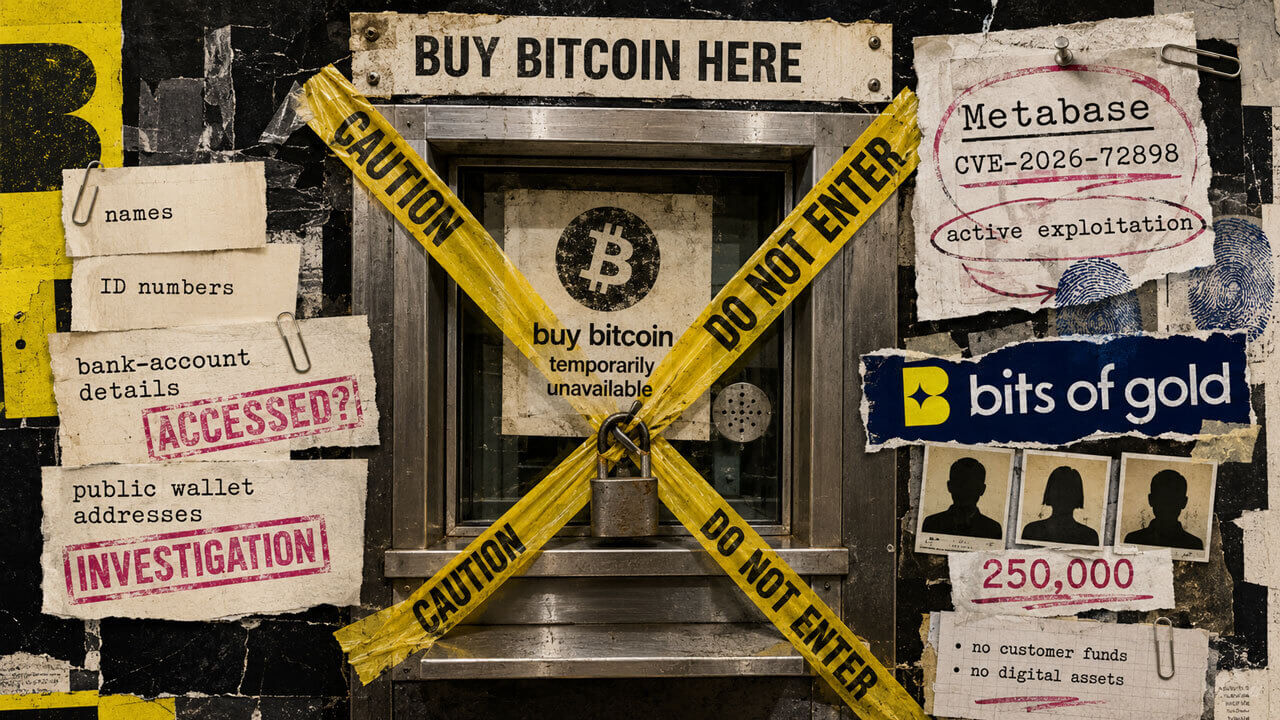
Bitcoin purchases halted after data breach puts 250,000 crypto users at risk
Israel’s largest regulated cryptocurrency broker, Bits of Gold, is investigating a data breach that potentially exposed the person...

Will Mark Cuban eat his words with his newest crypto prediction?
On Saturday afternoon, Mark Cuban posted another crypto prediction, “Chips as an asset class will be the new crypto.” Within a day...

Bits of Gold Breach May Expose 200,000 Crypto Users, But Funds Remain Safe Online
Key Takeaways: A data breach at Bits of Gold could affect up to 200,000 customers. No exposure of customer funds, crypto assets, p...
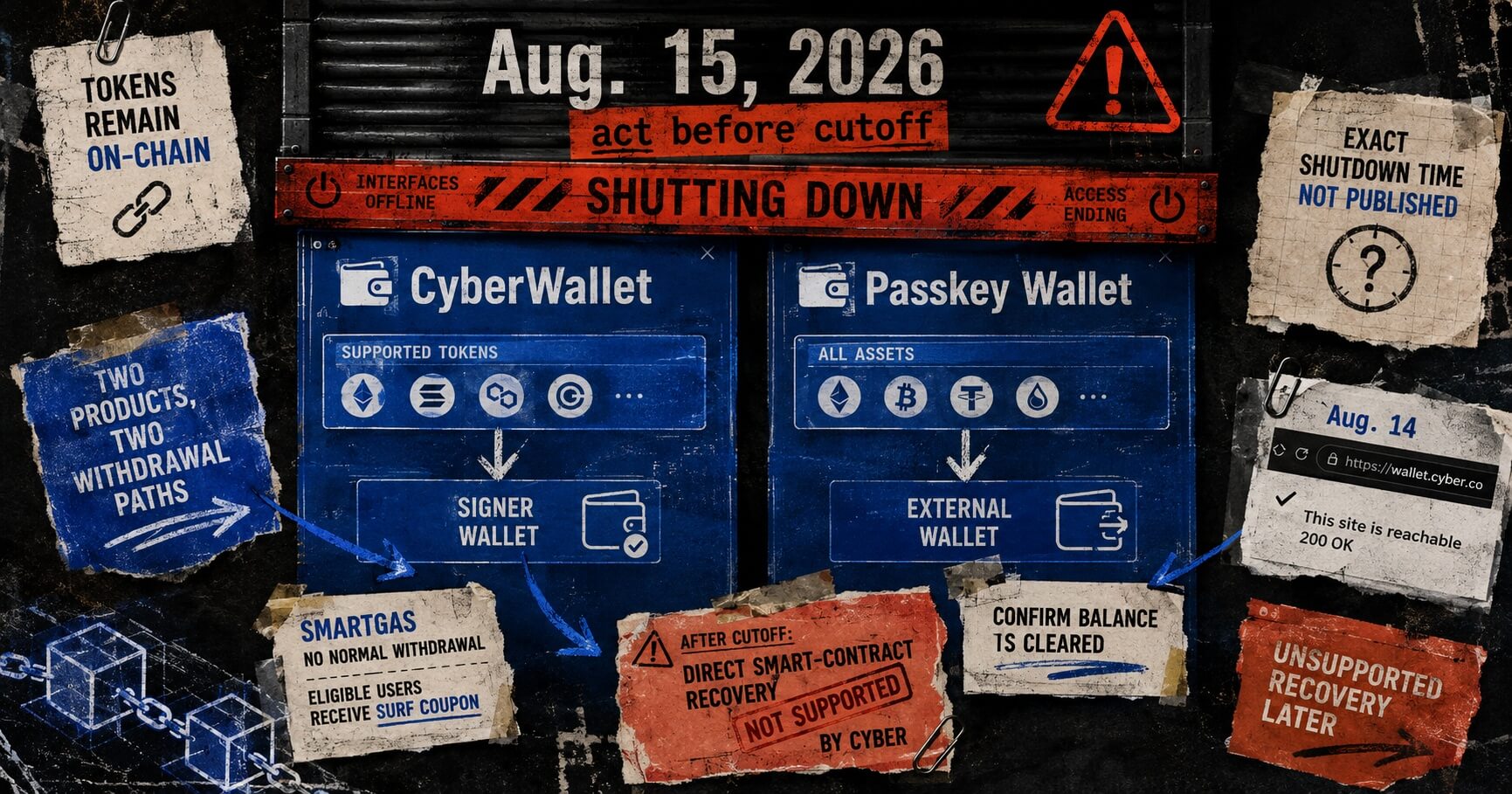
CyberWallet users have until Aug. 15 before crypto withdrawals become a smart contract recovery job
Crypto company Cyber is telling CyberWallet and Cyber Passkey Wallet users to move their assets ahead of an Aug. 15 shutdown that...