Crypto Wallets MetaMask, Phantom Targeted in $500K Phishing Attack: Report
Check Point Research (CPR) has discovered a “massive search engine phishing campaign” that has resulted in at least half a million dollars worth of crypto stolen from users. “Over the past weekend, Check Point Research e...
Archive context
Older archive item. Useful for background and entity history, but not a fresh market-moving signal.
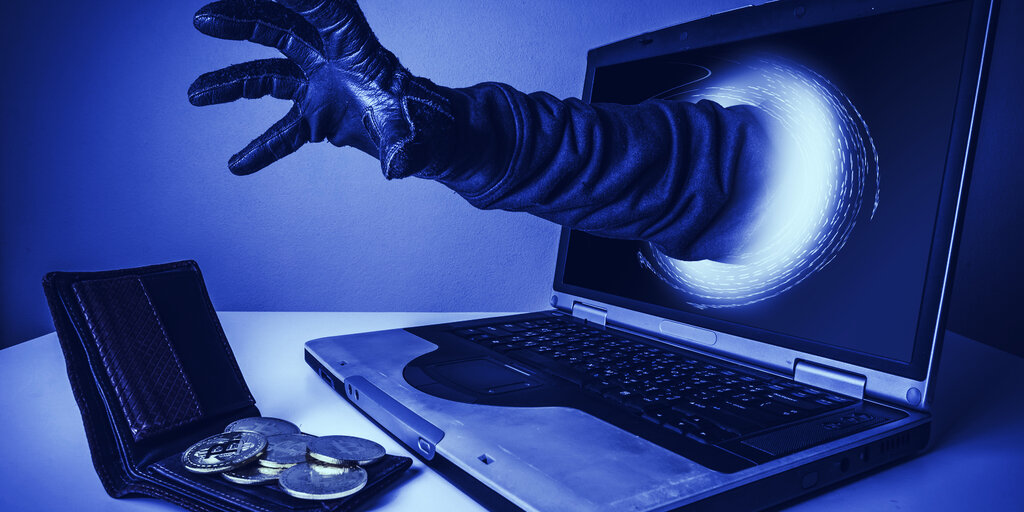
Check Point Research (CPR) has discovered a “massive search engine phishing campaign” that has resulted in at least half a million dollars worth of crypto stolen from users.
“Over the past weekend, Check Point Research encountered hundreds of incidents in which crypto investors lost their money while trying to download and install well-known crypto wallets or change their currencies on crypto swap platforms like PancakeSwap or Uniswap,” CPR said.
“I just installed the phantom wallet and somehow I ended up downloading the scam,” one Reddit user said, adding, “I am somewhat new to wallets.”
The scam, CPR found, has also been hitting MetaMask and Phantom users, two popular crypto wallets, with scammers mimicking legitimate websites almost perfectly.
“Over the past weekend, researchers from CPR spotted multiple phishing websites that looked like the original website, because the scammers copied its design,” CPR added.
Phantom and MetaMaskFor the Phantom domain, users were encountering phishing domains like “phanton.app” or “phantonn.app,” as opposed to the legitimate “phantom.app.”
The same was true of the scammers’ MetaMask tactics, which saw domains like “MètaMask” appear via Google ad campaigns. In the case of MetaMask, the scammers were also trying to steal user private keys to access their wallets.
“What makes this phishing campaign unique is the fact that the scammers are not sending phishing links via email like traditional phishing scams,” CPR said. “Instead, they are using Google ad campaigns to make their phishing websites appear before the original site when anyone searches the keyword,” the group added.
But what can users do to protect themselves? CPR has provided cautionary steps for crypto users.
These include looking at the first website in your search and ensuring that it is not an ad. Users, CPR suggests, should also never give out their passphrase.
Last but not least, CPR says, “always double-check the URLs.”
Why this matters
This security story adds another data point to the current market tape and is useful when read alongside nearby source coverage.
Original source
Read on DecryptRelated market context
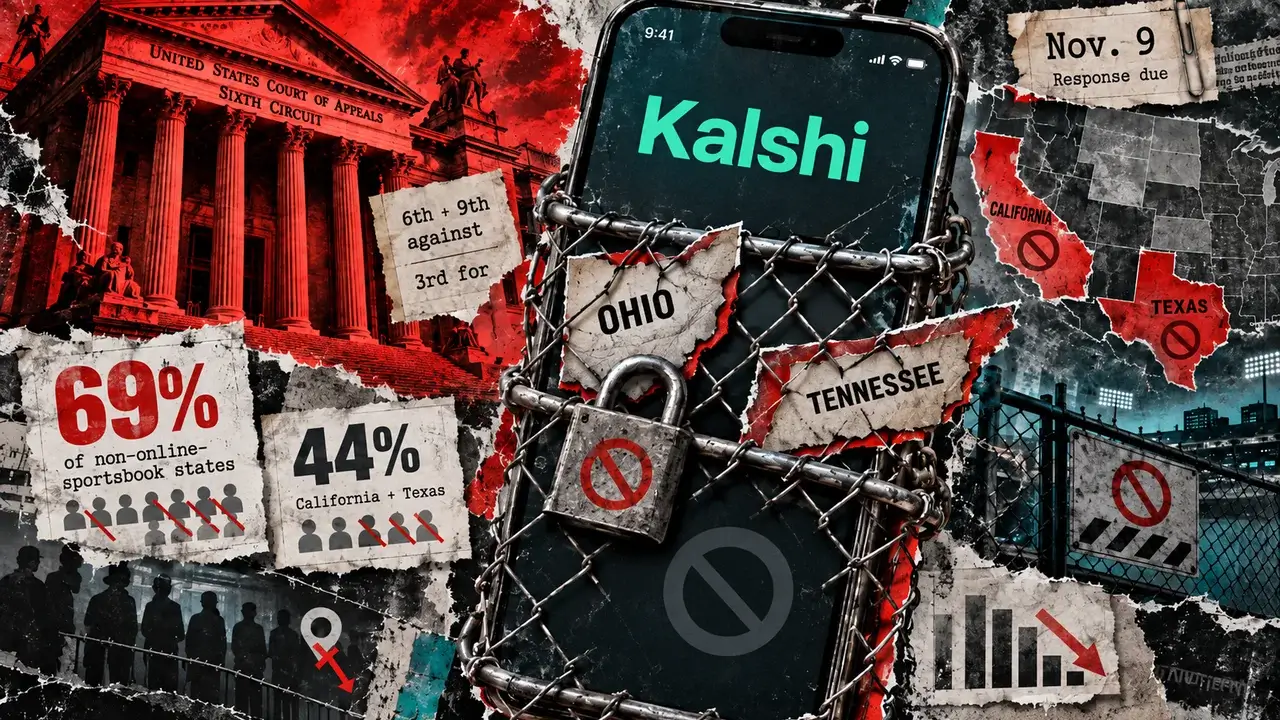
Kalshi must lock out state users after major court loss
The Sixth Circuit ruled Sept. 25 that Ohio and Tennessee can apply their gambling laws to Kalshi's sports contracts. The court rej...
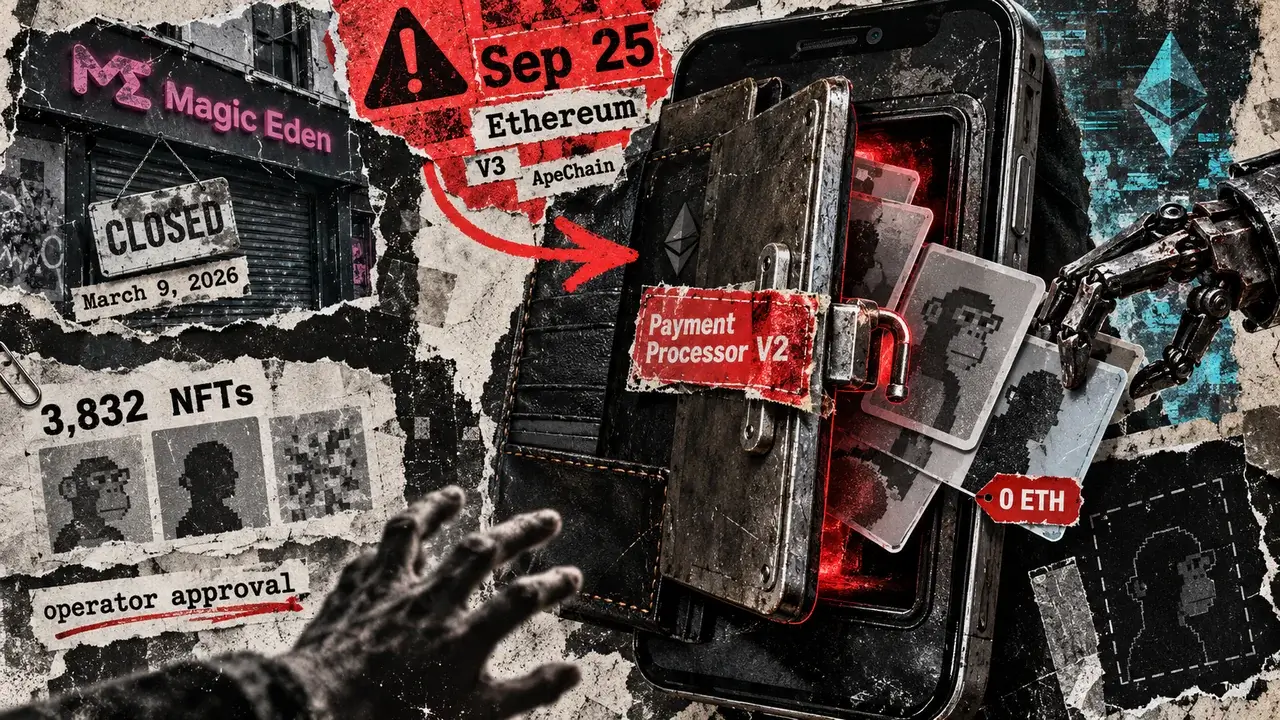
Old Magic Eden NFT approvals put users at risk after whitehat moves 3,832 NFTs
Old Magic Eden NFT approvals could still put some former users at risk months after the company closed its Ethereum marketplace. A...

Bitget Wallet Hack Steals $351.6M: Gracy Chen Points Finger at North Korea
Bitget detected a hack involving $351.6 million in unauthorized transfers from parts of its wallet infrastructure and says its Use...

Coincheck Launches 2x Crypto CFDs Six Years After Ending Margin Trading
Japanese cryptocurrency exchange Coincheck has staged a comeback in crypto derivatives more than six years after closing its previ...

US Charges Man After Crypto Scam Wallets Received More Than $53M
TL;DR U.S. prosecutors have charged a Vietnamese national with money laundering tied to alleged cryptocurrency “pig butchering” sc...
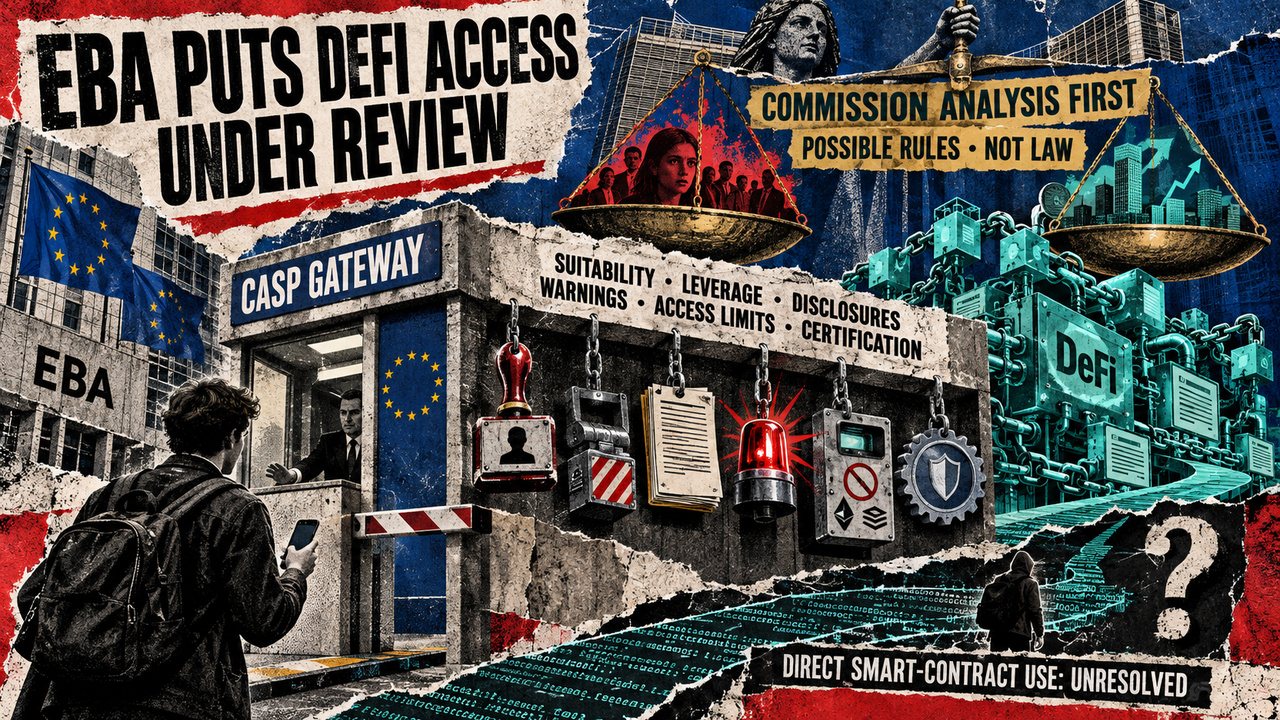
EU faces September 30 clock to decide future of DeFi loans
The European Banking Authority has asked the European Commission to examine new MiCA rules for crypto firms that connect customers...