Cuba Turns to Bitcoin and Crypto to Survive 60+ Years of U.S. Sanctions
More than 100,000 Cubans now use Bitcoin and other digital currencies to send money to family, buy goods online, and escape the economic restrictions that have isolated their island for decades. Cuba has faced U.S. econo...
Archive context
Older archive item. Useful for background and entity history, but not a fresh market-moving signal.

More than 100,000 Cubans now use Bitcoin and other digital currencies to send money to family, buy goods online, and escape the economic restrictions that have isolated their island for decades.
Cuba has faced U.S. economic sanctions since 1962. These restrictions block Cubans from using many basic financial services that people in other countries take for granted. They cannot access PayPal, use most credit cards, or shop on Amazon. Even sending money from family members in the United States became nearly impossible when Western Union shut down its 400+ Cuban locations in 2020.
But Cubans have found a way around these barriers: cryptocurrency.
From Ban to Legal RecognitionThe Cuban government published Resolution 215 in its Official Gazette, giving the Central Bank of Cuba power to regulate digital currencies and license crypto service providers.
The government said it made this decision for “reasons of socio-economic interest.” Translation: the country desperately needed new ways to participate in the global economy.
Today, it is believed between 100,000 and 200,000 Cubans use cryptocurrencies like Bitcoin, Ethereum, and Avalanche. That represents about 1-2% of the island’s population. While this percentage seems small compared to other countries, it shows rapid growth for a nation that only got widespread mobile internet access a few years ago.
When Western Union Left, Crypto Filled the GapThe turning point came in 2020 when the Trump administration banned Americans from sending money to Cuba through Western Union. This service had operated in Cuba for more than 20 years and was the main way Cuban-Americans sent money to their families back home.
Remittances—money sent from family members abroad—made up about 6% of Cuba’s total economic output between 2005 and 2020. When Western Union shut down, families were cut off from this vital financial lifeline.
Alex Sobrino, who started Cuba’s first cryptocurrency group on Telegram in 2018, watched the change happen in real time. “When Western Union ceased to exist, there was a big rise in remittances via cryptocurrencies,” said Erich García, founder of BitRemesas.com, a company that processes crypto remittances.
Cuban families began using Telegram groups to trade cryptocurrency. For example: Someone in Miami might send Bitcoin to a relative in Havana, who would then meet someone locally to exchange it for Cuban pesos or U.S. dollars.
More Than Just Money TransfersCrypto use in Cuba goes far beyond sending money to family. Cubans use digital currencies to:
- Pay electricity bills and recharge mobile phones
- Buy goods from international websites that don’t accept Cuban payment methods
- Protect savings from inflation that exceeded 70% in recent years
- Receive payments for work done online, like software development or digital art
Gabriel Guerra Bianchini, a photographer in Havana, sold his first NFT artwork for 1.6 Ethereum in just six days. Software developer Eyonys González uses Bitcoin to pay for web hosting, antivirus software, and other digital services that Cuban payment methods cannot access.
“We no longer think: ‘I’m Cuban so I can’t use this.’ No—bitcoin doesn’t recognize borders,” González said.
Infrastructure Challenges Limit GrowthDespite growing adoption, Cuba faces major obstacles in expanding cryptocurrency use. The biggest problem is electricity. The island experiences frequent blackouts that can last more than 10 hours per day. These power outages have made cryptocurrency mining nearly impossible and cost many small investors thousands of dollars in damaged equipment.
Cuba’s internet infrastructure also remains limited compared to other countries. While more than 5 million Cubans now have mobile internet access, connection speeds and reliability still create barriers for widespread crypto adoption.
The Statista market forecast shows Cuba’s cryptocurrency market reaching 451,400 users by 2025, with a total market value of $23.5 million. The average Cuban crypto user is expected to spend about $54 per year on digital currencies.
Government Walks Careful LineCuba’s government has chosen to regulate cryptocurrency rather than ban it like China did. The 2024 regulatory framework requires crypto companies to follow anti-money laundering rules and report suspicious activities.
President Biden announced plans in January 2025 to remove Cuba from the U.S. list of state sponsors of terrorism, but the Trump administration that took office in January may reverse this and impose stricter sanctions.
Cuba’s experience shows how cryptocurrency can serve as an economic lifeline for sanctioned countries. Digital currencies have given ordinary Cubans new ways to participate in the global economy despite decades of isolation.
Why this matters
This security story adds another data point to the current market tape and is useful when read alongside nearby source coverage.
Original source
Read on Brave New CoinRelated market context

Ripple CEO Brad Garlinghouse Says XRP and Solana Can Both Thrive in Crypto’s Next 5 Years
Garlinghouse’s comments have resurfaced as XRP and Solana both trade near important technical levels following recent gains. “I’m...

SEC Clarifies When Crypto Buybacks And Network Upgrades Can Raise Securities Questions
TL;DR SEC staff has published new FAQs explaining how federal securities laws may apply to crypto-asset buybacks, network upgrades...
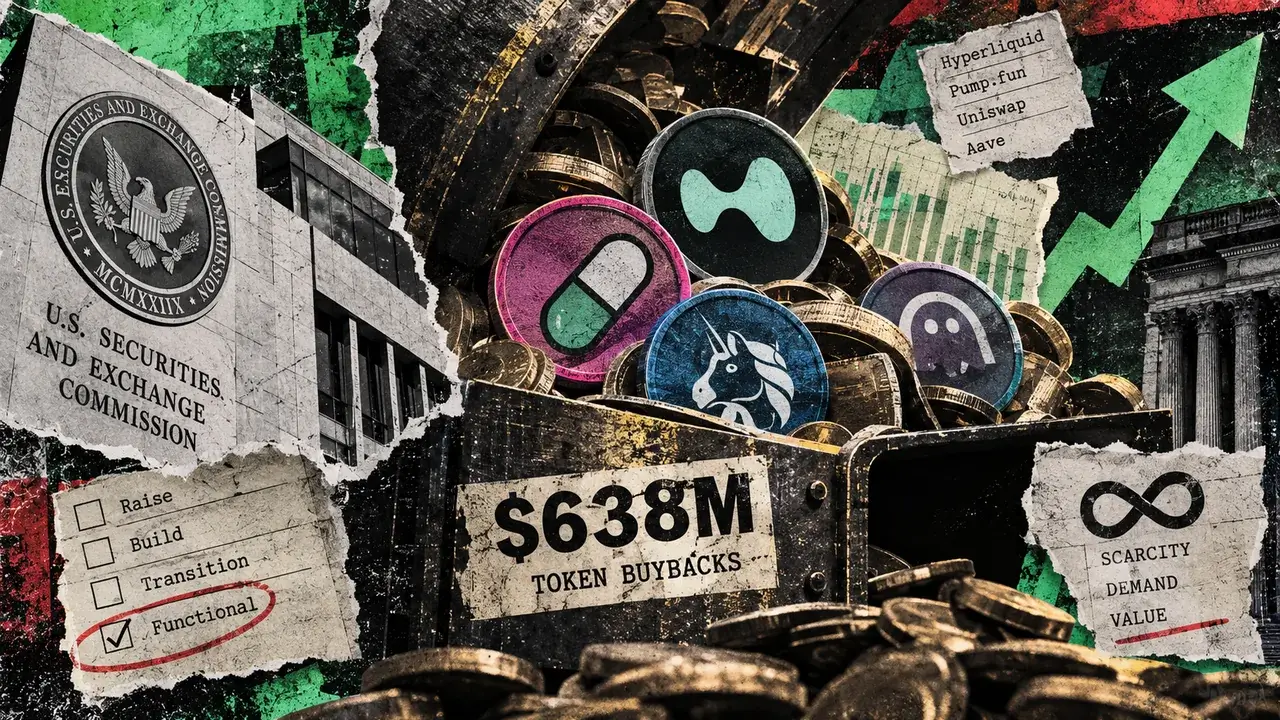
SEC clears regulatory hurdle as crypto token buybacks hit record $638 million
Crypto projects spent about $638 million with token buybacks through late August 2026, according to Allium Labs data. That is alre...
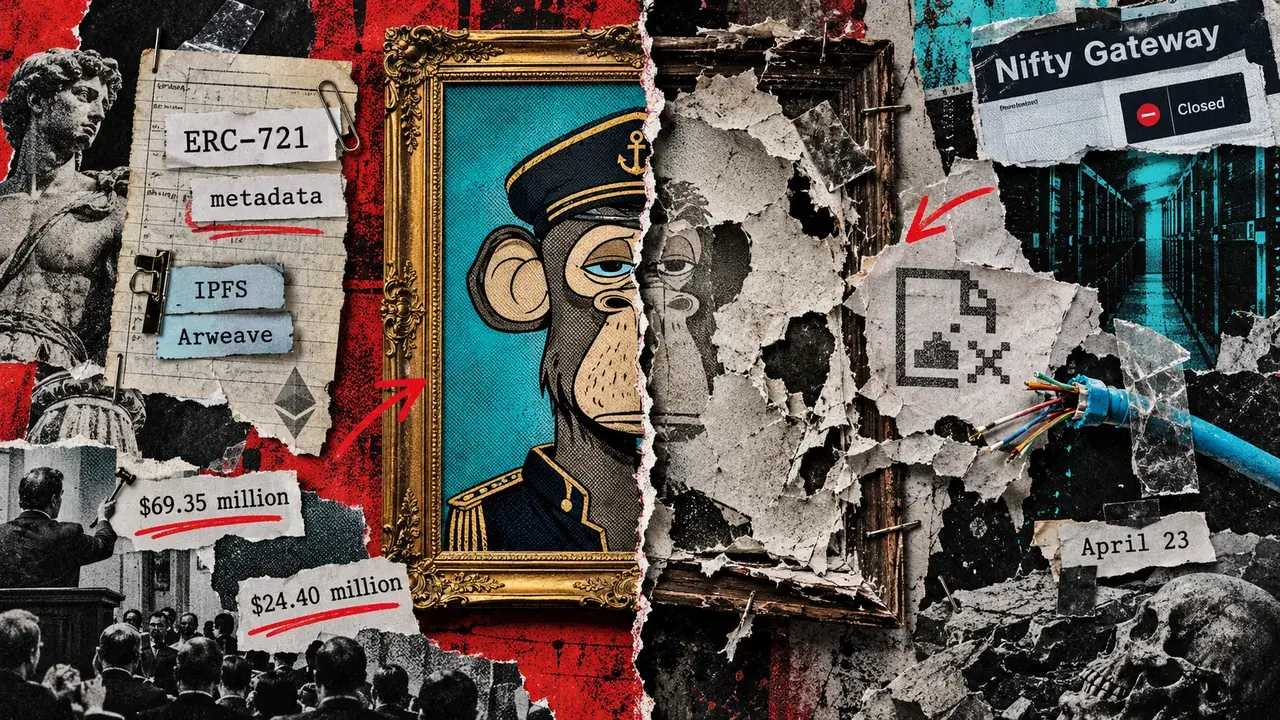
The NFT party is over and everybody now owes storage rent
In 2021, Christie's sold a Beeple NFT for $69.35 million, and Sotheby's took another $24.40 million for 101 Bored Ape Yacht Club N...
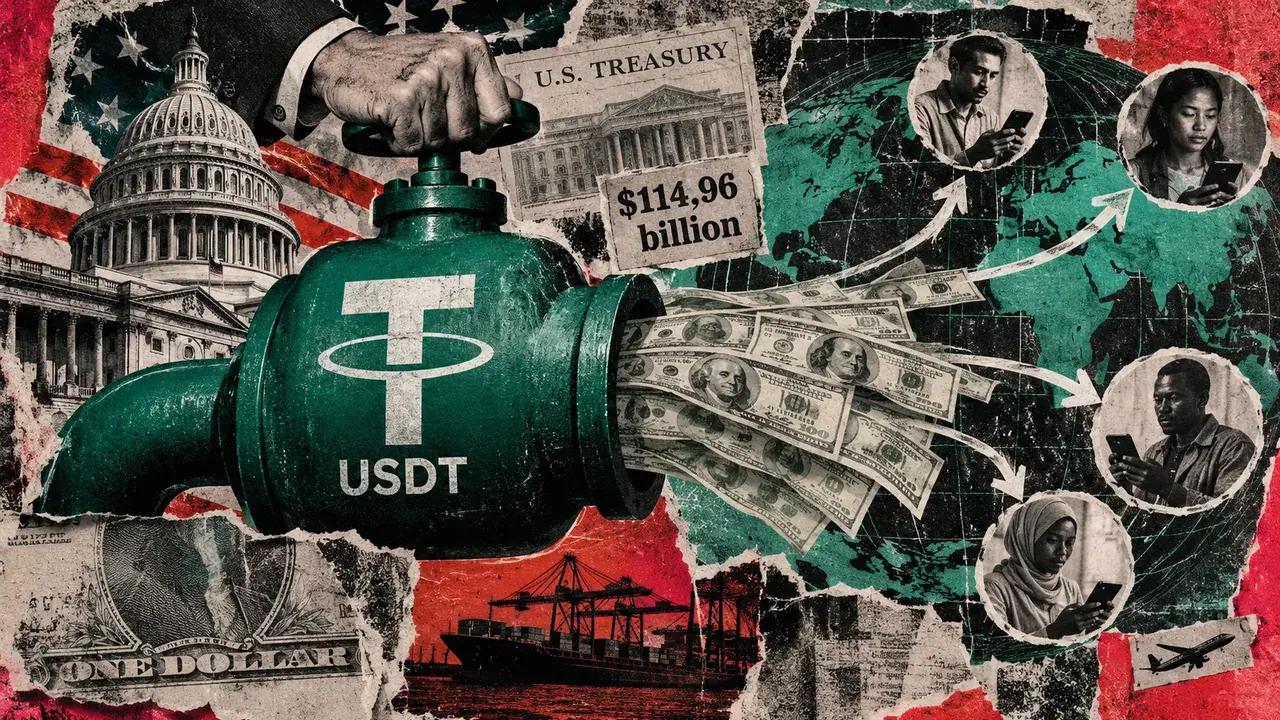
Washington has $114 billion reasons to want Tether around
Not that long ago, Washington fined Tether for misleading people about the dollars behind its tokens. Today, the company's insatia...

Strategy Seeks Shareholder Vote to Pay Daily Dividends on STRC and Three Other Preferreds
Strategy is asking its shareholders to approve daily dividends on its four U.S.-listed preferred stocks, STRF, STRC, STRK and STRD...