DOJ Seizes $7.7 Million in Crypto from North Korean IT Workers Reportedly Using Stolen U.S. IDs
Millions of dollars in cryptocurrency, allegedly earned by North Korean IT workers using stolen U.S. identities, now sit frozen as part of a sweeping U.S. forfeiture action aimed at dismantling a sophisticated sanctions-...
Archive context
Older archive item. Useful for background and entity history, but not a fresh market-moving signal.

Millions of dollars in cryptocurrency, allegedly earned by North Korean IT workers using stolen U.S. identities, now sit frozen as part of a sweeping U.S. forfeiture action aimed at dismantling a sophisticated sanctions-evasion network.
The Department of Justice (DOJ) revealed this latest seizure reportedly as part of its ongoing efforts to disrupt illicit revenue streams that fund Pyongyang’s weapons development.
A Digital Trail of Deception
The civil forfeiture complaint, filed in the District of Columbia, alleges that North Korean nationals posed as remote IT contractors, working for companies in the United States and elsewhere.
Department Files Civil Forfeiture Complaint Against Over $7.74M Laundered on Behalf of the North Korean Government🔗: https://t.co/T6nh2ETMYY pic.twitter.com/o23HY6C6Zw
— U.S. Department of Justice (@TheJusticeDept) June 5, 2025Their goal was reportedly to generate hard-to-trace crypto income to funnel back to the regime in Pyongyang quietly. By using fake identities and securing jobs in blockchain development firms, they built up a digital pipeline worth a million.
The funds, worth over $7.74 million, were initially frozen during an earlier case involving Sim Hyon Sop, an alleged Foreign Trade Bank representative working with these IT operatives. U.S. authorities claim Sim coordinated money flows between the workers and the North Korean government.
Read more: North Korean Hackers Use Fake U.S. Companies to Spread Malware in Crypto Industry
“This forfeiture action highlights, once again, the North Korean government’s exploitation of the cryptocurrency ecosystem to fund its illicit priorities,” said Matthew R. Galeotti, Head of the Justice Department’s Criminal Division.
“The Department will use every legal tool at its disposal to safeguard the cryptocurrency ecosystem and deny North Korea its ill-gotten gains in violation of U.S. sanctions,” he added.
According to the complaint, North Korean workers employed complex laundering techniques to obscure the funds' origins. These included using fictitious identities, “chain hopping” between blockchains, token swaps, and even purchasing NFTs to disguise value transfers.
Once disguised, the cryptocurrency was rerouted through intermediaries, including Sim and Kim Sang Man, the CEO of Chinyong (a North Korean IT company linked to the military).
FBI Unmasks North Korea’s Remote Workforce
The FBI, which led the investigation, revealed that North Korea deployed these operatives in countries including China, Russia, and Laos.
The workers used U.S.-based laptop farms and VPN obfuscation to hide their true locations. By assuming the identities of Americans, they duped U.S. companies into paying them in cryptocurrencies like USDC and USDT.
In a separate recent report, North Korean hackers reportedly established seemingly legitimate companies in the US to infiltrate the crypto sector, targeting unsuspecting developers through fake job offers.
According to a report by the Japanese Times, the attackers used legal registrations, corporate fronts, and social engineering to conceal their true identities behind American business facades and deliver malware until the FBI stepped in.
The fake firms reportedly formed part of an advanced campaign by a subgroup of the Lazarus Group, a state-sponsored cyber unit linked to North Korea’s Reconnaissance General Bureau.
This article was written by Jared Kirui at www.financemagnates.com.Why this matters
This security story adds another data point to the current market tape and is useful when read alongside nearby source coverage.
Original source
Read on Finance MagnatesRelated market context

North Korean Hackers Linked to $388M Bitget Crypto Exchange Theft: CEO
Bitcoin Magazine North Korean Hackers Linked to $388M Bitget Crypto Exchange Theft: CEO Hackers from North Korea targeted crypto e...
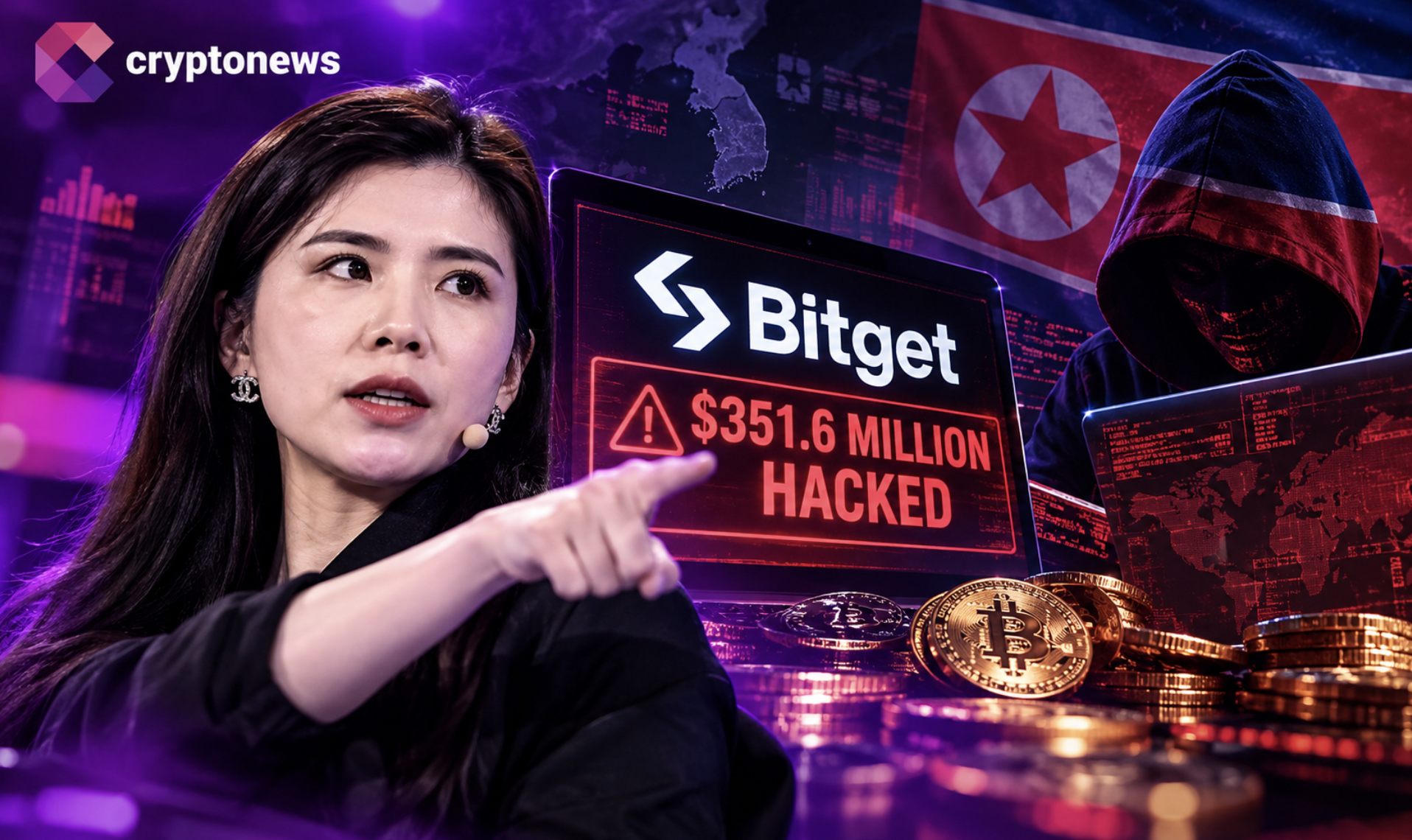
Bitget Wallet Hack Steals $351.6M: Gracy Chen Points Finger at North Korea
Bitget detected a hack involving $351.6 million in unauthorized transfers from parts of its wallet infrastructure and says its Use...

Tokenized iShares MSCI South Korea ETF Arrives on StonkFun for Solana Coin Launches
Key Takeaways: StonkFun now supports coin launches paired with $EWY, the tokenized iShares MSCI South Korea ETF. Overall, the inte...

Ledger Opens 24/7 Tokenized Stocks to Millions With xStocks Integration
Key Takeaways: Ledger and a new partnership with Payward have brought xStocks to the Ledger wallet ecosystem. Eligible Ledger hold...
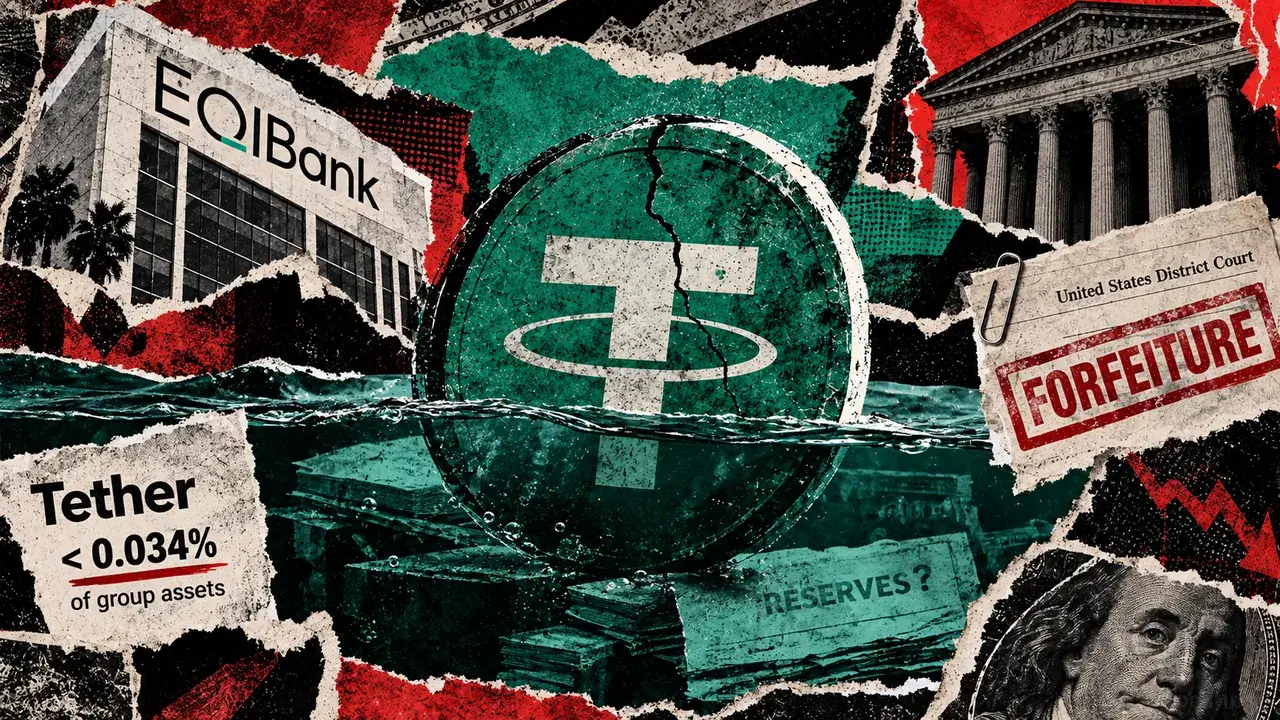
An $84 million US asset seizure just sparked a massive question for Tether
Tether has disclosed exposure to EQIBank as the bank fights a US seizure involving payment processor Capstone Limited, raising a q...
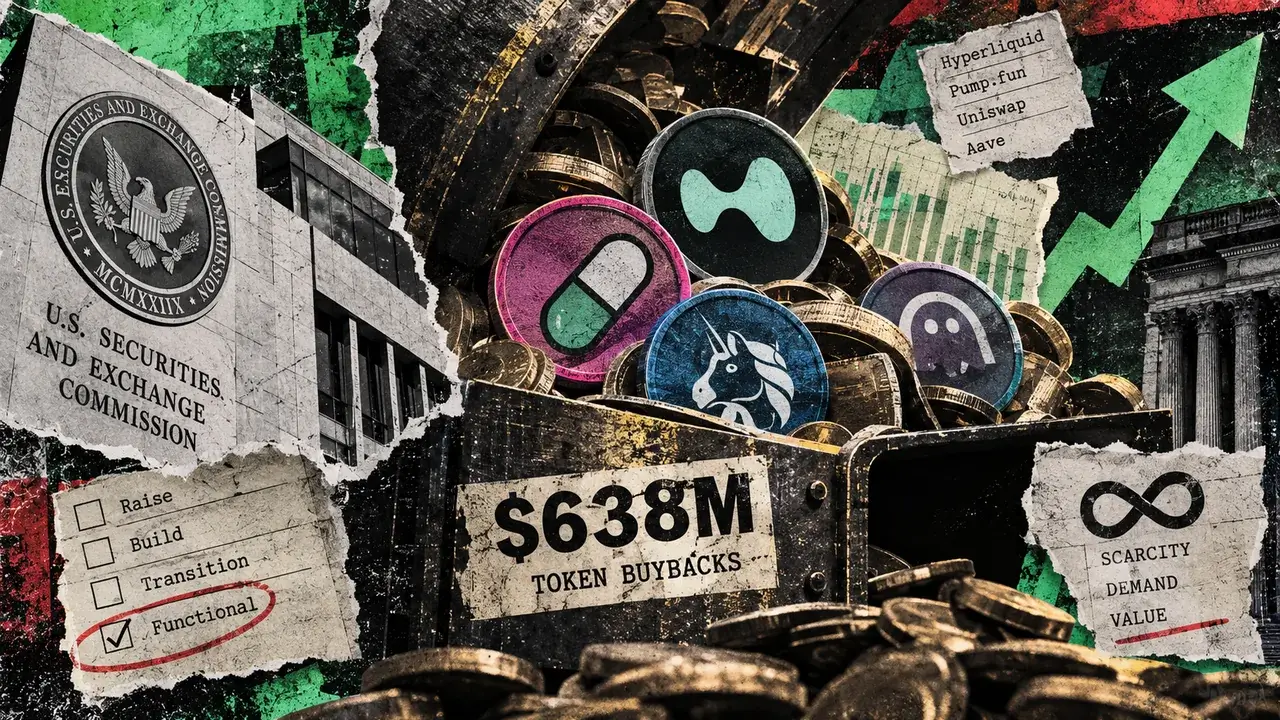
SEC clears regulatory hurdle as crypto token buybacks hit record $638 million
Crypto projects spent about $638 million with token buybacks through late August 2026, according to Allium Labs data. That is alre...