Dollar Dominance Fading Amid Growing China Trade, Russia Sanctions Risks, Ray Dalio Says
Fewer nations are willing to hold the U.S. dollar as America’s share in the global economy becomes smaller while China’s role in international trade expands, billionaire Ray Dalio noted. The founder of the world’s larges...
Archive context
Older archive item. Useful for background and entity history, but not a fresh market-moving signal.
Fewer nations are willing to hold the U.S. dollar as America’s share in the global economy becomes smaller while China’s role in international trade expands, billionaire Ray Dalio noted. The founder of the world’s largest hedge fund also said that Western sanctions on Russia have highlighted new risks of keeping dollar assets.
‘Dollar Is Debt,’ Central Banks Are Less Inclined to Hold ItThe importance of the U.S. fiat in international trade is decreasing and as a result the dominance of the dollar is fading, billionaire investor Ray Dalio said in recent interviews on Youtube. He also pointed out that sanctions imposed on Russia over its invasion of Ukraine have exposed new threats for governments keeping assets in the American currency.
Central banks around the world are less inclined to hold the greenback, the founder of Bridgewater Associates remarked on the Julia La Roche Show last week. “Dollars are debt. In other words, when one holds a dollar — a central bank — they hold a debt asset,” he stated, according to excerpts quoted by the Business Insider on Tuesday.
Dalio elaborated that previously nations have been willing to expose themselves to such debt so that they can trade globally as the dollar has been widely used in international transactions. However, with China promoting the use of its currency, the yuan, in trade deals with countries like Brazil, Kazakhstan and others, the need for the dollar may decrease in the future.
At the same time, Western financial restrictions on Moscow have been pushing the Russian economy towards the yuan while Russia also saw $330 billion in currency reserves frozen, further preventing it from transacting in dollars or euros. Dalio believes that the sanctions have increased the perceived risks associated with dollar assets. He concluded:
So for those reasons, there’s less desire to hold U.S. dollar-denominated debt, which means yes, less U.S. dollars. So the supply-demand picture is worsening, particularly as we continue to have to sell them internationally to fund the deficit.
In an interview for Tom Bilyeu’s Youtube channel posted on Saturday, Ray Dalio again highlighted the weaponization of the U.S. dollar as a factor for its diminishing role. “The United States’ greatest weapon to use, as distinct from military weapon, is sanctions. So, sanctions means you freeze assets, those assets are the bonds. That happened with Russia and there are threats of it with other countries, China and so on,” he explained.
A number of public figures have recently acknowledged that sanctions policies can hurt the hegemony of the greenback, from Fox News host Tucker Carlson to U.S. Treasury Secretary Janet Yellen. Within the next decade, the U.S. dollar will play a much less dominant role than it is today, partly due to its weaponization, renowned economist Jeffrey Sachs was quoted as saying earlier in April. Their comments come amid efforts for “de-dollarization” led by BRICS, of which Russia and China are members.
What are your expectations about the future role of the U.S. dollar in global trade and economic relations? Share them in the comments section below.
Why this matters
This security story adds another data point to the current market tape and is useful when read alongside nearby source coverage.
Original source
Read on Bitcoin NewsRelated market context
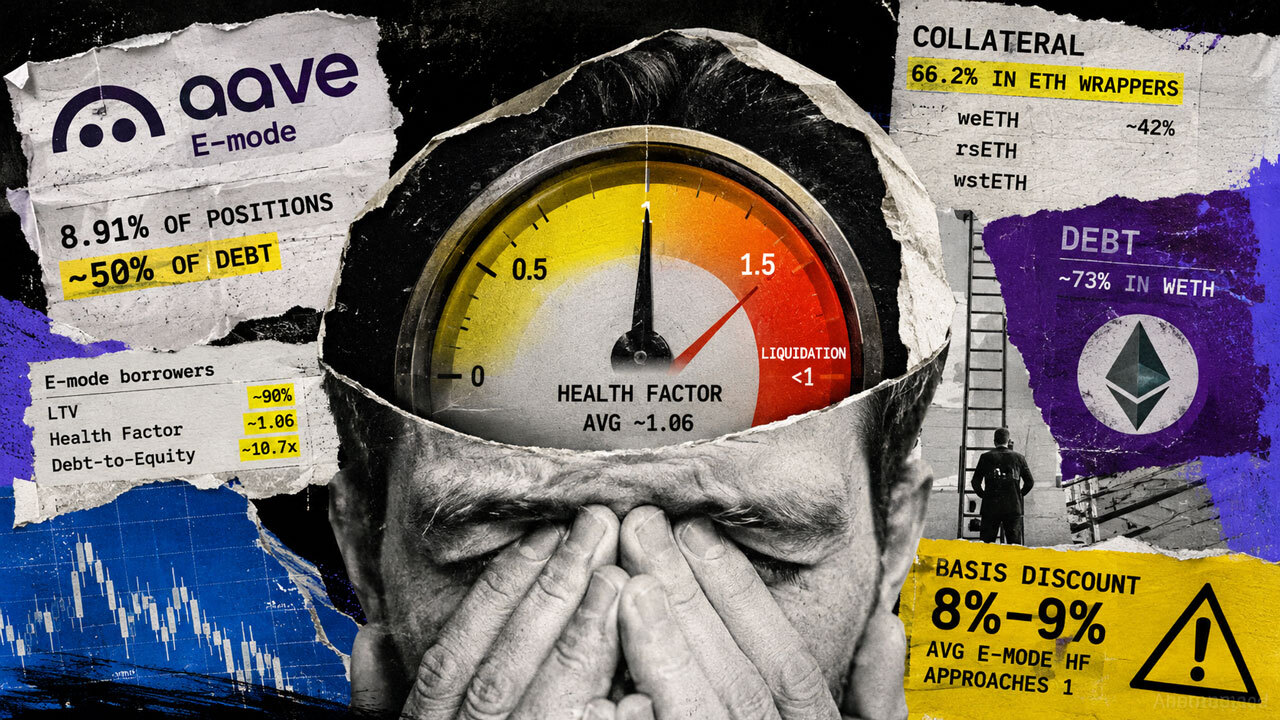
Half of Aave’s debt sits in just 9% of positions built around one Ethereum correlation trade
Galaxy's Aug. 7 snapshot of Aave V3 Core found 19,073 loans on the protocol after applying standard filters. Fewer than 9% of thos...
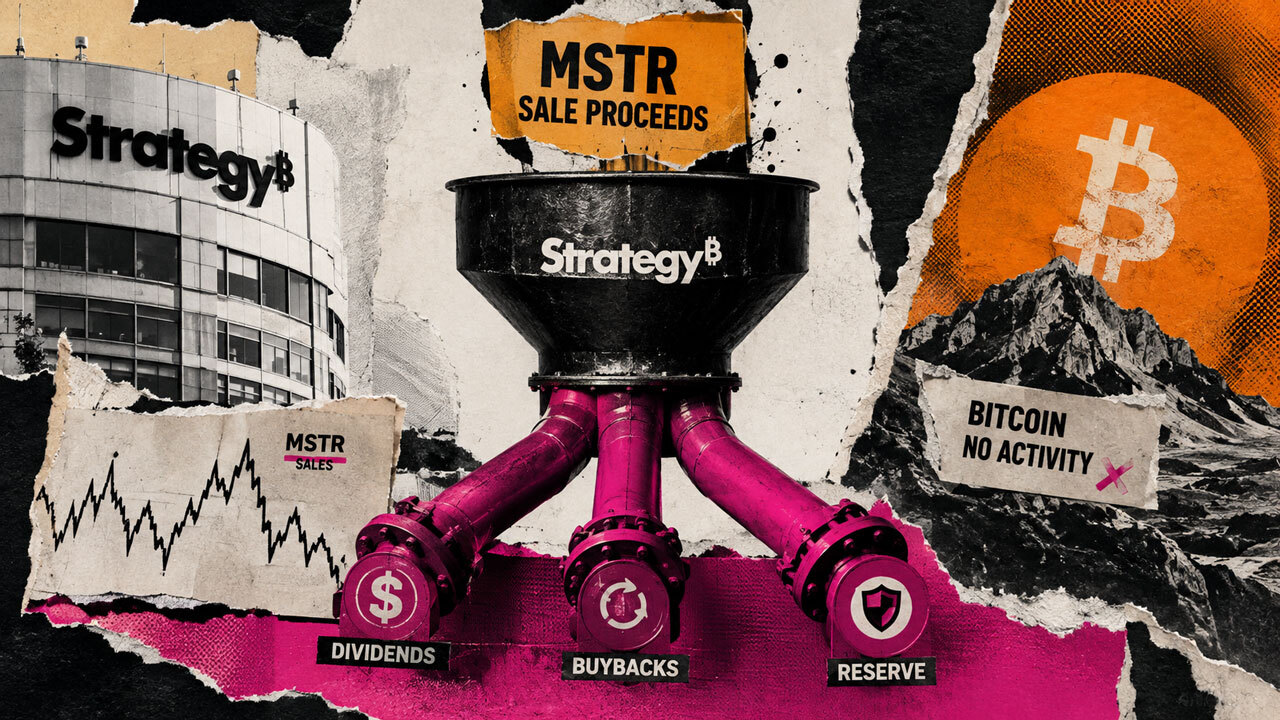
Strategy raised $334 million from MSTR shareholders last week — Bitcoin got none of it
Strategy (formerly MicroStrategy) directed all $333.7 million raised from common-stock sales last week toward preferred-stock obli...
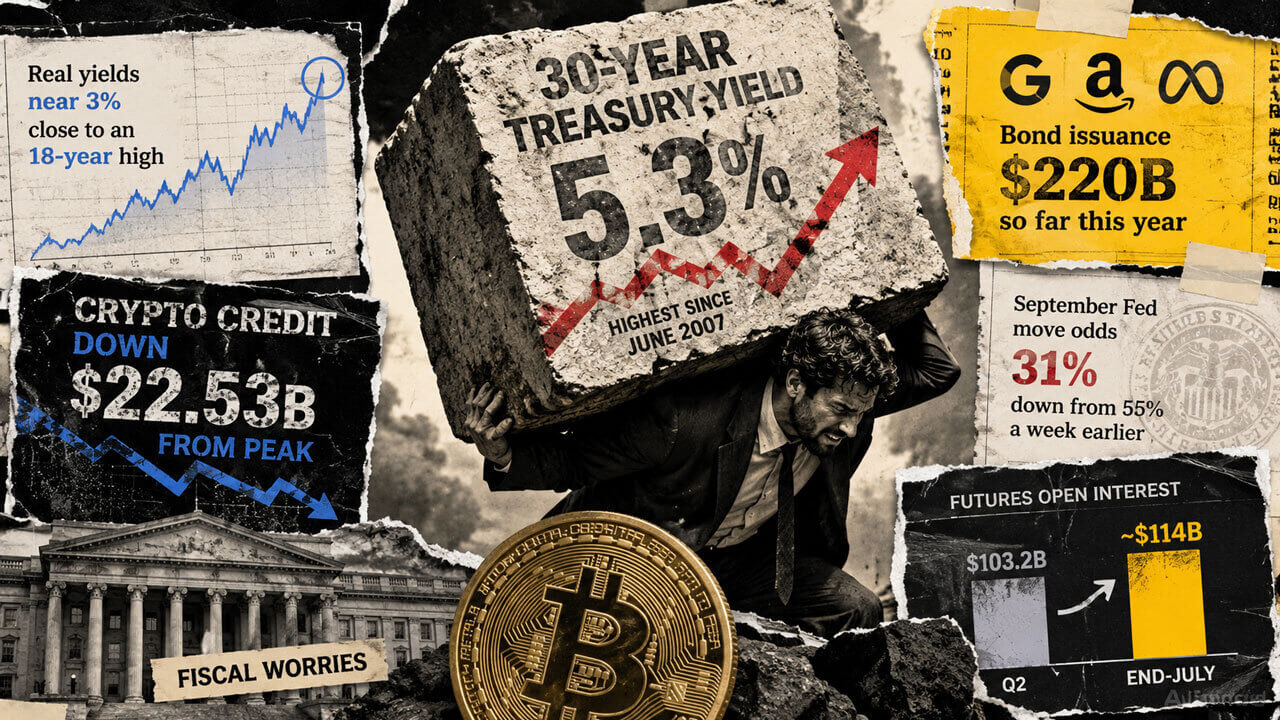
Bitcoin faces its highest Treasury hurdle since 2007 with $22.5B less crypto credit to unwind
The US 30-year Treasury yield crossed 5.3% on Aug. 17 for the first time since June 2007, the same day Galaxy published a report s...
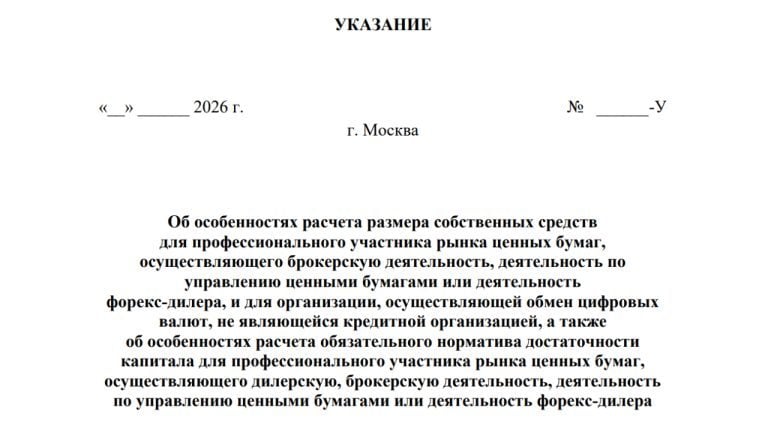
Bank of Russia Limits Crypto Equity to 25% for Market Brokers
The new rules, which target professional market participants, dictate that cryptocurrencies approved for trading must be included...

Bank of Russia Lets Brokers Count Crypto as Capital. Anything Off-List Is Treated as 100% Risk
The central bank's draft rules recognise digital currencies as capital, but treat anything outside its approved perimeter as pure...

Clarity Act Uncertainty Keeps DeFi’s Bigger Market Bet on Hold
Bitcoin has fallen 21% this year, Ethereum is down 33%, and Solana has dropped 37%, according to Bitwise Chief Investment Officer...