FinCEN Issues ‘Red Flags’ on Potential Sanctions Evasion Using Cryptocurrency
The Financial Crimes Enforcement Network (FinCEN) has issued an advisory on Russian efforts to evade sanctions that includes a number of crypto-related red flags. However, the bureau admitted that it has not seen “widesp...
Archive context
Older archive item. Useful for background and entity history, but not a fresh market-moving signal.
The Financial Crimes Enforcement Network (FinCEN) has issued an advisory on Russian efforts to evade sanctions that includes a number of crypto-related red flags. However, the bureau admitted that it has not seen “widespread evasion” of its sanctions using cryptocurrency.
FinCEN Warns About Sanctions Evasion
The Financial Crimes Enforcement Network (FinCEN), a bureau of the U.S. Department of the Treasury, issued an advisory Monday providing regulated financial institutions with “red flags on potential Russian sanctions evasion attempts.”
Him Das, acting director of FinCEN, said: “It is vitally important for U.S. financial institutions to be vigilant about potential Russian sanctions evasion, including by both state actors and oligarchs.” He further noted:
Although we have not seen widespread evasion of our sanctions using methods such as cryptocurrency, prompt reporting of suspicious activity contributes to our national security and our efforts to support Ukraine and its people.
The notice explains that large-scale sanctions evasion using cryptocurrency by a government such as the Russian Federation is “not necessarily practicable.” However, the regulator noted that there may be transactions tied to crypto wallets or other crypto activities associated with sanctioned Russian, Belarusian, and other affiliated persons.
In addition, FinCEN reminds financial institutions of the dangers posed by Russian-related ransomware campaigns.
The red flags applicable to crypto transactions outlined by FinCEN include a customer initiating a transfer of funds involving a crypto mixer service or a customer receiving a transaction “identified by blockchain tracing software as related to ransomware.”
Another red flag is when a customer receives convertible virtual currency (CVC) “from an external wallet, and immediately initiates multiple, rapid trades among multiple CVCs with no apparent related purpose, followed by a transaction off the platform.” FinCEN described:
This may be indicative of attempts to break the chain of custody on the respective blockchains or further obfuscate the transaction.
In conclusion, the regulator stressed that all financial institutions, including cryptocurrency exchanges, “should identify and report suspicious activity associated with potential sanctions evasion quickly and conduct appropriate, risk-based customer due diligence or enhanced due diligence where required.”
What do you think about FinCEN’s advisory? Let us know in the comments section below.
Why this matters
This security story adds another data point to the current market tape and is useful when read alongside nearby source coverage.
Original source
Read on Bitcoin NewsRelated market context

Bitwise CIO sees potential for 10-100x blockchain transaction growth as AI agents meet tokenized markets
Bitwise CIO Matt Hougan said investors may be underestimating blockchain transaction activity by 10 to 100 times as tokenized mark...
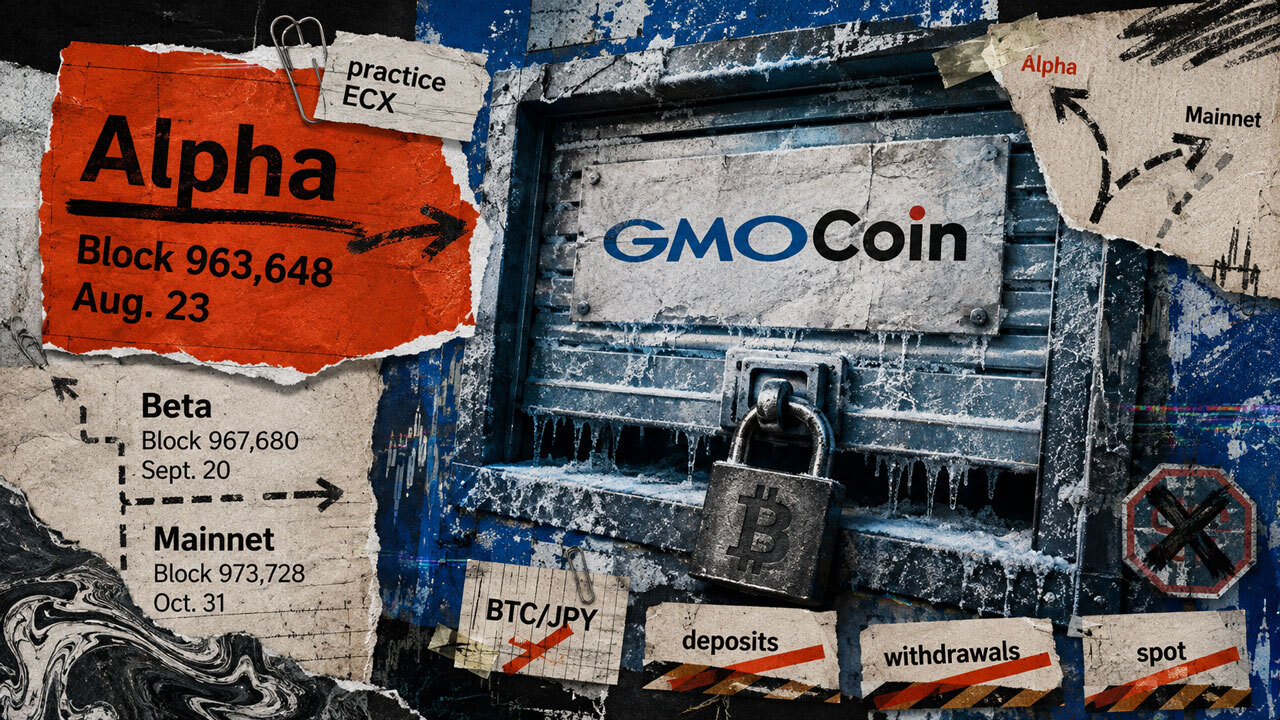
Bitcoin holders face potential exchange freezes as new chain rollout tests replay safety and market stability
Crypto exchange GMO Coin may suspend several Bitcoin services when eCash takes its first balance snapshot at block 963,648, expect...

HSBC and Standard Chartered Complete First Live Transaction on Swift Blockchain Ledger
HSBC and Standard Chartered completed the first live cross-border bank-to-bank tokenized-deposit transaction on Swift’s blockchain...
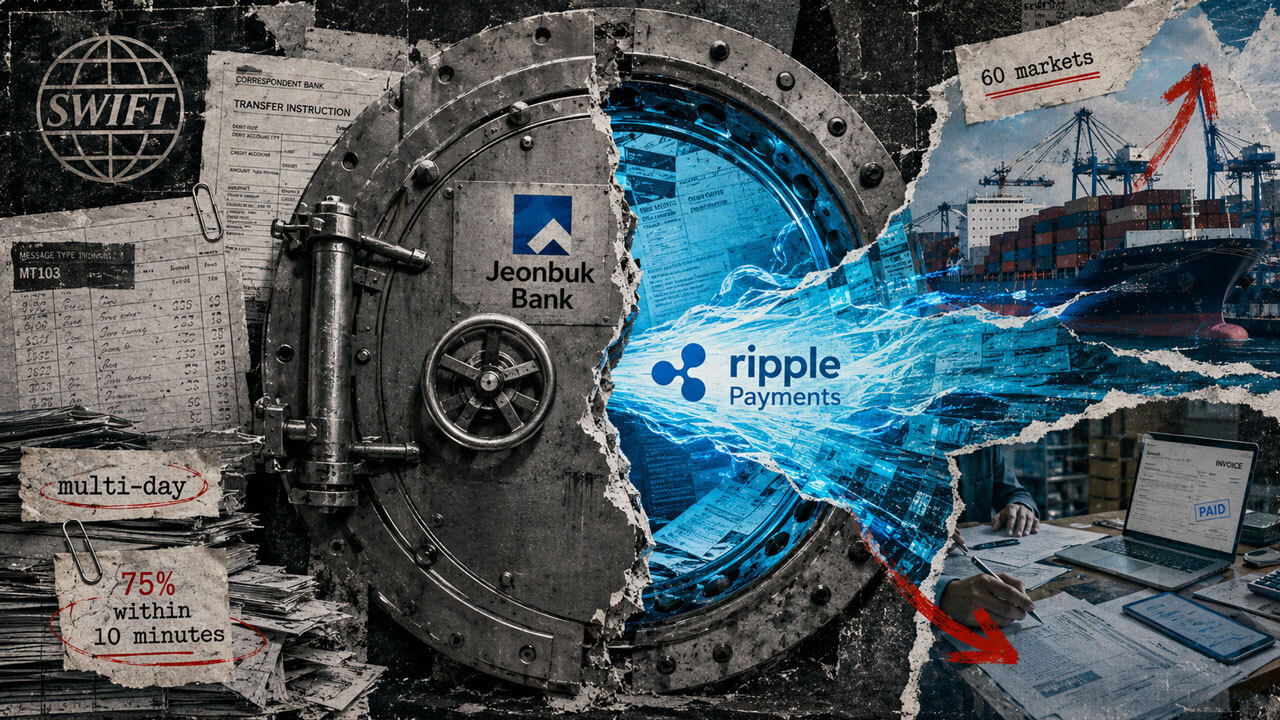
Ripple just scored two major institutional wins but XRP traders are bracing for a bigger move
On Aug. 18, Ripple deepened its push into traditional finance, securing a South Korean banking deal as its prime brokerage raised...
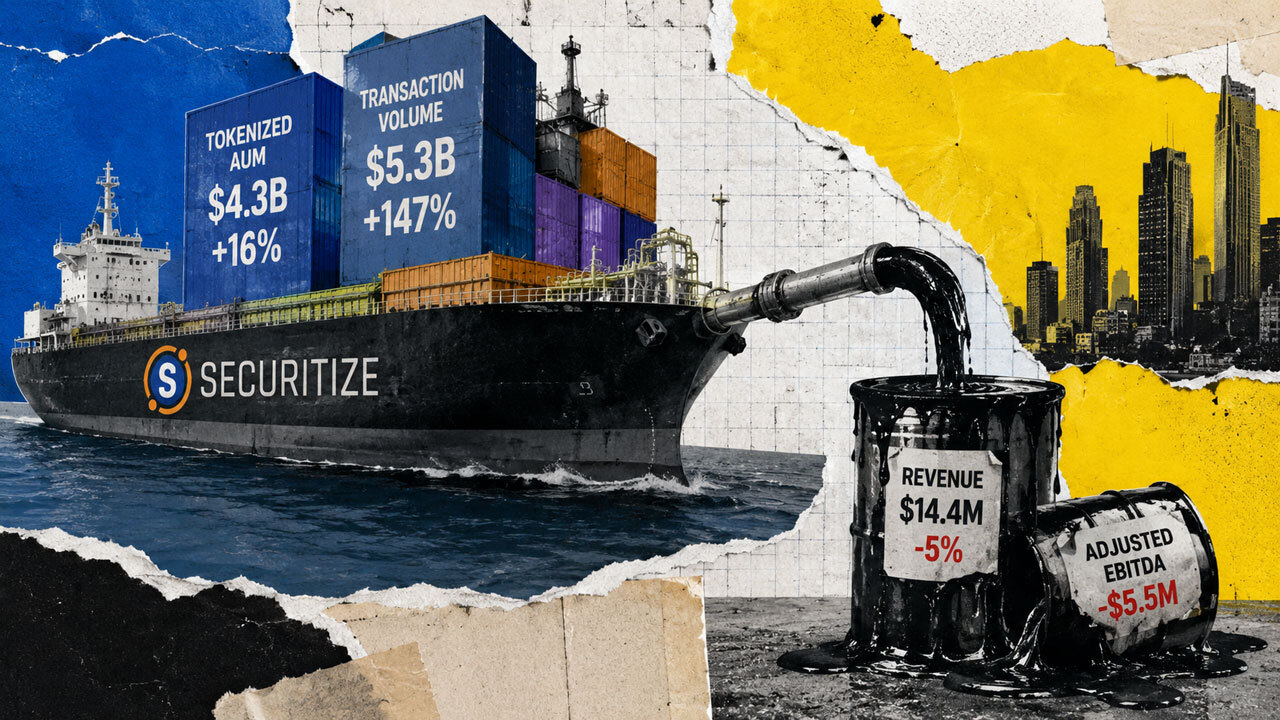
Can tokenized assets continue to scale faster than the revenue models behind them?
Securitize closed its first quarter as a public company with average tokenized assets under management hitting a record $4.3 billi...

Grayscale Zcash Trust filing reveals potential 200,000 ZEC contribution from DCG affiliate
The potential Zcash ETF could impact market liquidity and regulatory perceptions of privacy coins, influencing future crypto inves...