Geeq granted a US patent for the protocol’s security and scalability features
Geeq, a Canada-based blockchain company, has been granted a patent in the United States for features of its multi-blockchain, layer-zero protocol’s security and scalability systems, according to a press release. Details...
Archive context
Older archive item. Useful for background and entity history, but not a fresh market-moving signal.

Geeq, a Canada-based blockchain company, has been granted a patent in the United States for features of its multi-blockchain, layer-zero protocol’s security and scalability systems, according to a press release.
Details found in the patent’s application describe a technology termed “Proof of Honesty,” which is Geeq’s alternative to predominant proof-of-work and proof-of-stake consensus mechanisms. Additionally, Geeq alleges that its system of federated blockchains is able to ensure security and achieve “infinite scalability.” According to the patent application:
“If there is at least one honest node, it will write an honest block to a valid chain. Users are able to discover honest chains and will always choose it for their transactions. Dishonest chains become orphaned.”
Geeq also claims that having flexibility built into the protocol, which can create additional chains during periods of increased network activity and then merge chains when transaction volume decreases, keeps the cost of transactions more affordable as well as 99% Byzantine fault-tolerant.
In the press release, Geeq CEO Ric Asselstine noted that gaining the approval of the patent “marks a critical point in time for Geeq as we push forward aggressively with the development of transformative solutions for previously intractable problems.”
One of these “previously intractable problems” is the poor user experience when using blockchain technology due to the complexities of interacting with smart contracts. Geeq noted in the press release that instead of having users interact directly with smart contracts, a suite of applications that facilitate the most common types of transactions makes it so that “the end user is able to focus on what they gain rather than worry about potential exploits, complex coding dependencies, or the downstream effects of governance decisions.”
In a company blog post, Geeq stated that its launch strategy would not include a private nor public beta but would instead consist of soft-launching features as they are developed and fixing bugs as they are found — reminiscent of Telsa’s software updates that rollout new features over time or security fixes included in every iOS update.
Geeq has also received funding from major players in the space such as GEM Capital, which committed $25 million in August 2022. Geeq CEO Asselstine said with this funding, the company/protocol is now “ready to bring enterprise and individuals into the metaverse and Web3.”
Why this matters
This security story adds another data point to the current market tape and is useful when read alongside nearby source coverage.
Original source
Read on NewsBTCRelated market context

Wyoming migrates Frontier Stable Token to Chainlink’s CCIP after security review
Wyoming's shift to Chainlink's CCIP for its stablecoin could enhance security and interoperability, influencing future state-backe...

Treasury’s New Stablecoin Rule Could Force US Exchanges to Delist Tether
Austin Campbell, founder of Zero Knowledge Group, said on the Bits + Bips podcast that Treasury’s newly proposed rules for the GEN...
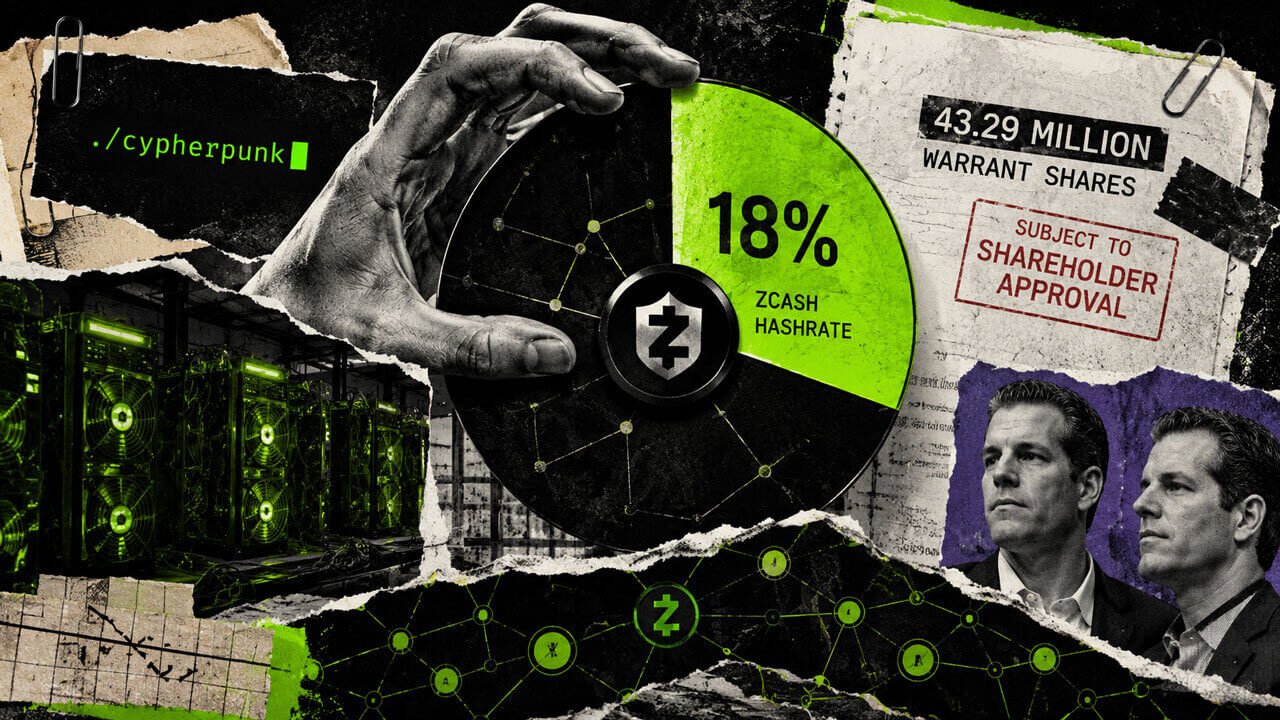
This public company now controls 18% of Zcash mining power after $33 million Winklevoss-linked deal
Cypherpunk Technologies acquired roughly 18% of Zcash’s mining power in a $33.33 million equity deal that could dilute shareholder...

Visa Seeks New Stablecoin Settlement Partner After Mastercard Buys Payments Firm BVNK
Visa is taking bids for a new stablecoin settlement partner after Mastercard bought the firm that had been filling the role, accor...
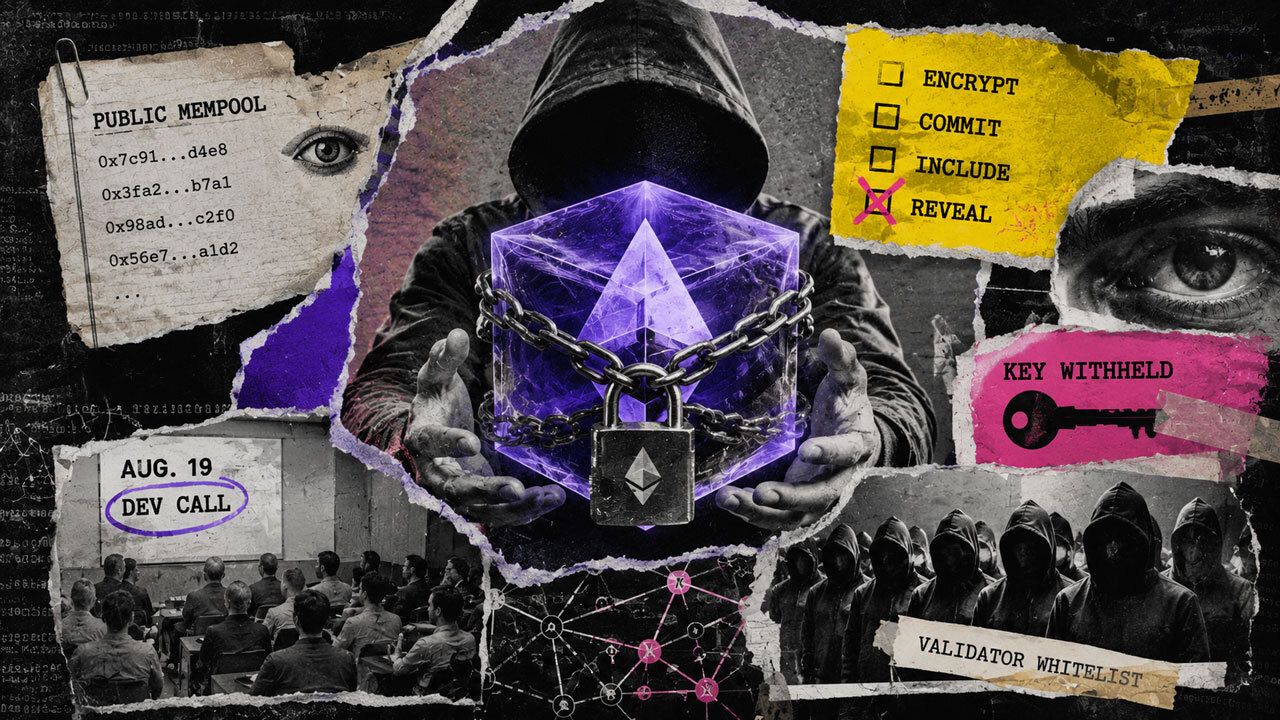
Ethereum wants to hide your trades from bots before they can attack
Ethereum developers are weighing a new defense against predatory trading bots that exploit pending transactions before they reach...

Curve founder says FATF pressure could make DeFi safer and more decentralized
Curve founder Michael Egorov said FATF pressure could push DeFi protocols toward greater decentralization and stronger security.