Hackers Attack Domain Registrar Namecheap; Flood of DHL and Metamask Phishing Emails Follow
On Sunday, Feb. 12, 2023, the domain registrar Namecheap’s email account was compromised by hackers. Subsequently, a large number of individuals received phishing emails claiming to be from Metamask and DHL. These emails...
Archive context
Older archive item. Useful for background and entity history, but not a fresh market-moving signal.
On Sunday, Feb. 12, 2023, the domain registrar Namecheap’s email account was compromised by hackers. Subsequently, a large number of individuals received phishing emails claiming to be from Metamask and DHL. These emails originated from the email platform Sendgrid, a service used by Namecheap for marketing correspondence.
Namecheap Confirms Email Account Compromise and Disables Sendgrid ServicesMultiple reports indicate that Namecheap was breached on Sunday and hackers leveraged the company’s email account through the Sendgrid service. Namecheap CEO Richard Kirkendall confirmed the compromise and said the firm has disabled Sendgrid services. “To be clear, the issue was within a third-party provider that we use to send our newsletter,” Kirkendall tweeted. “None of our own systems or customer accounts were breached. I sent a follow-up email to all affected users. The domains linked in the original phishing emails were also disabled.”
According to users who investigated the sent emails, the links led to a phishing campaign attempting to steal private information from the user. For example, the Metamask email led to a fake website trying to get the user to enter their mnemonic recovery phrase. Metamask also tweeted about the Namecheap emails and told recipients to ignore the messages. “Metamask does not collect KYC information and will never email you about your account,” the company tweeted. The Web3 wallet firm added:
Do not enter your Secret Recovery Phrase on a website EVER. If you got an email today from Metamask or Namecheap or anyone else like this, ignore it & do not click its links!
Phishing attacks have been common in recent years, and hackers have used various methods to access people’s private information. According to reports, the DHL phishing email aims to provide the user with an invoice to get the user to enter payment information to resolve the fake issue. Once a user provides information like their mnemonic recovery phrase or other financial information, hackers can drain the funds from the account.
According to Beehive Cybersecurity, Namecheap’s team members took immediate action to resolve the issue. “We’d like to vouch that when we ourselves notified Namecheap of this, they acted promptly and treated it seriously,” Beehive Cybersecurity tweeted. “This is the A game of what we like to see from registrars.”
What measures could you take to protect yourself from phishing attacks like this one? Share your thoughts and strategies in the comments below.
Why this matters
This security story adds another data point to the current market tape and is useful when read alongside nearby source coverage.
Original source
Read on Bitcoin NewsRelated market context
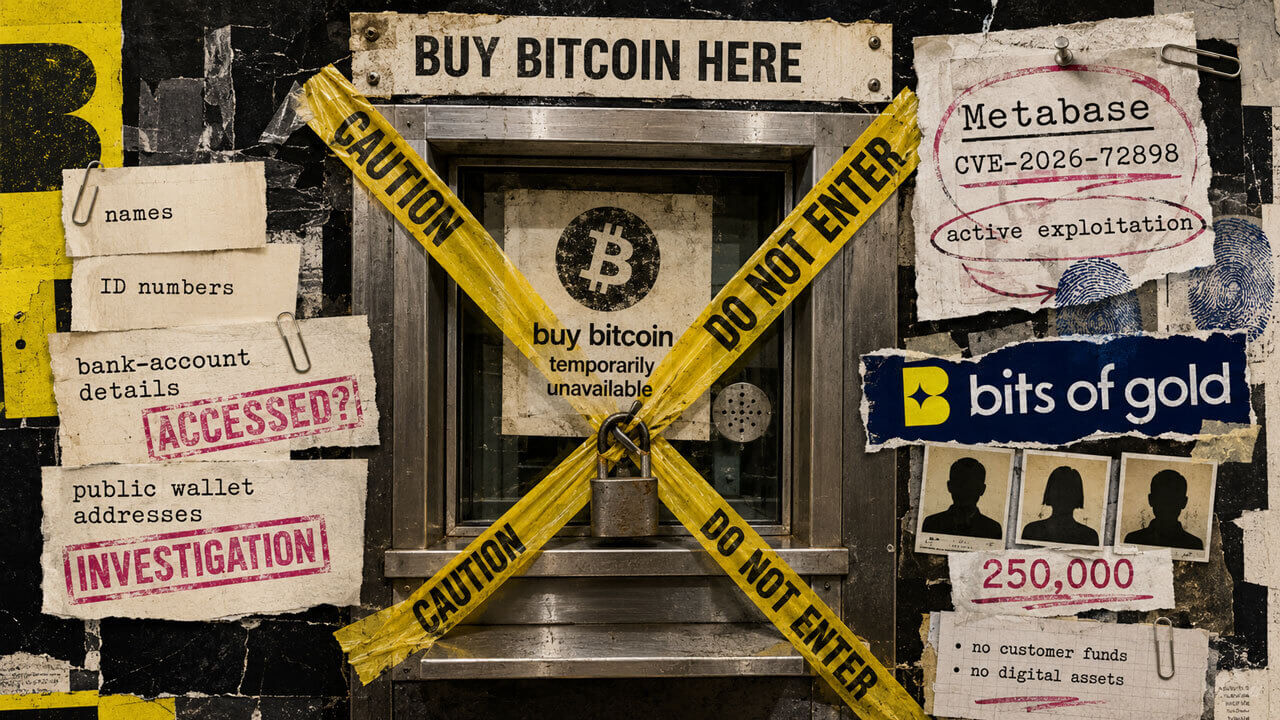
Bitcoin purchases halted after data breach puts 250,000 crypto users at risk
Israel’s largest regulated cryptocurrency broker, Bits of Gold, is investigating a data breach that potentially exposed the person...
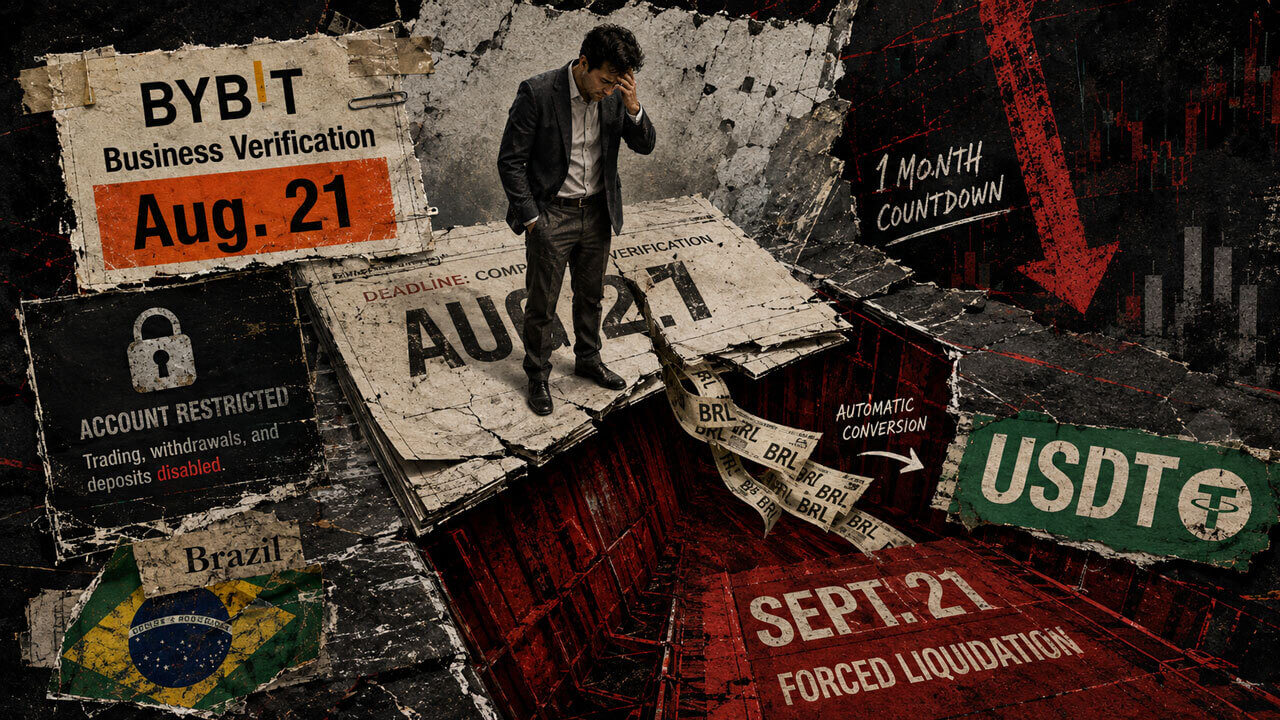
Forced liquidations begin in 30 days for business crypto accounts missing new verification rules on Bybit
Bybit has given some Brazilian business users until Aug. 21 to complete additional verification. Accounts that miss a requested up...

Bits of Gold Breach May Expose 200,000 Crypto Users, But Funds Remain Safe Online
Key Takeaways: A data breach at Bits of Gold could affect up to 200,000 customers. No exposure of customer funds, crypto assets, p...
SafePal Data Breach Exposes 39,798 Crypto Customers, Wallet Keys Remain Secure
Key Takeaways: About 39,798 users’ personal and purchase information were disclosed via a flaw in an order tracking plugin, accord...
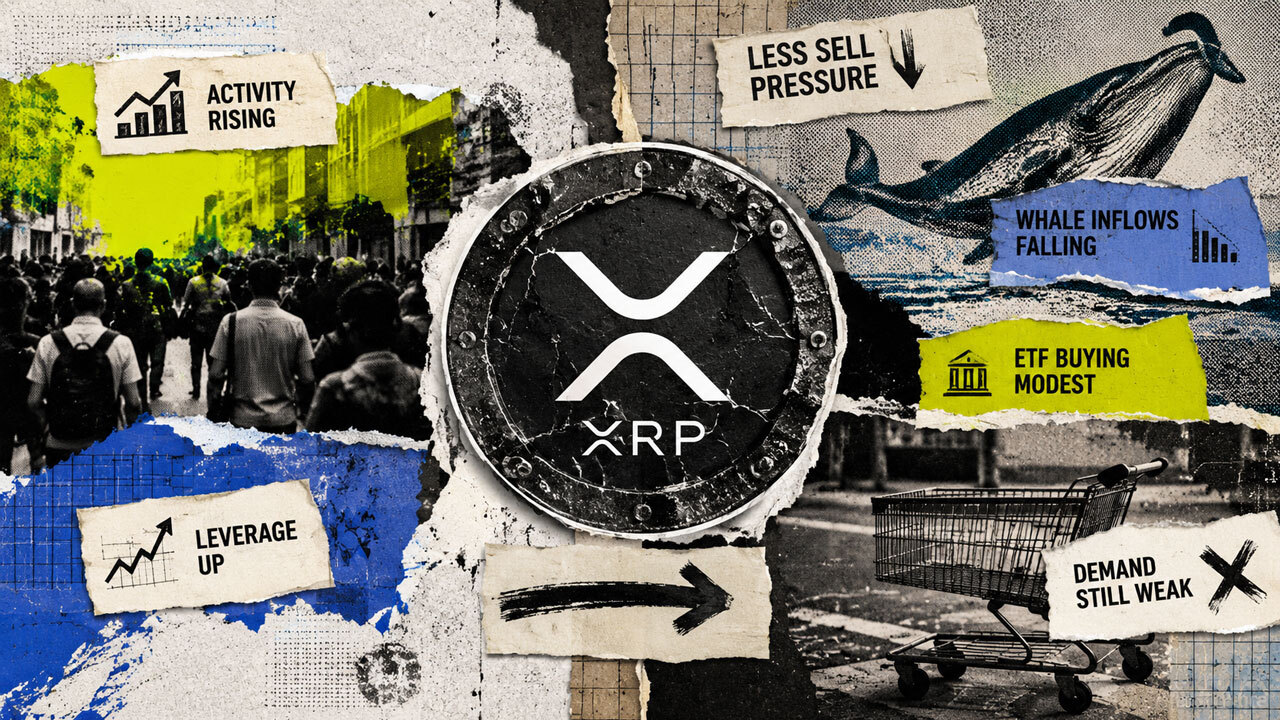
Record user activity and a collapse in whale selling should send XRP soaring, so why is it still pinned at $1?
XRP is back near $1 even as network activity rebounds, whale deposits to Binance collapse, and derivatives exposure builds near re...

Will Mark Cuban eat his words with his newest crypto prediction?
On Saturday afternoon, Mark Cuban posted another crypto prediction, “Chips as an asset class will be the new crypto.” Within a day...