Hackers Exploit JavaScript Accounts in Massive Crypto Attack Reportedly Affecting 1B+ Downloads
A major supply-chain attack has infiltrated widely used JavaScript packages, potentially putting billions of dollars in crypto at risk. Charles Guillemet, chief technology officer at hardware wallet maker Ledger, warned...
Archive context
Older archive item. Useful for background and entity history, but not a fresh market-moving signal.

A major supply-chain attack has infiltrated widely used JavaScript packages, potentially putting billions of dollars in crypto at risk. Charles Guillemet, chief technology officer at hardware wallet maker Ledger, warned that hackers have compromised a reputable developer’s Node Package Manager (NPM) account to push malicious code into packages downloaded more than a billion times.
The injected malware is designed to quietly swap cryptocurrency wallet addresses in transactions, meaning users could unknowingly send funds directly to attackers.
“There’s a large-scale supply chain attack in progress: the NPM account of a reputable developer has been compromised,” Guillemet explained. “The affected packages have already been downloaded over 1 billion times, meaning the entire JavaScript ecosystem may be at risk.”
🚨 There’s a large-scale supply chain attack in progress: the NPM account of a reputable developer has been compromised. The affected packages have already been downloaded over 1 billion times, meaning the entire JavaScript ecosystem may be at risk.The malicious payload works…
— Charles Guillemet (@P3b7_) September 8, 2025Supply Chain Attack Hits Deep Into Developer Ecosystem
NPM is a core tool in JavaScript development, widely used to integrate external packages into applications. When a developer’s account is compromised, attackers can slip malware into packages that developers then unknowingly deploy in decentralized applications or software wallets.
Security researchers have warned that software wallet users are particularly vulnerable, while hardware wallets remain largely protected. According to Oxngmi, founder of DefiLlama, the code does not automatically drain wallets.
Explanation of the current npm hackIn any website that uses this hacked dependency, it gives a chance to the hacker to inject malicious code, so for example when you click a "swap" button on a website, the code might replace the tx sent to your wallet with a tx sending money to…
— 0xngmi (@0xngmi) September 8, 2025Developers who pin dependencies to older, safe versions may avoid exposure, but users cannot easily verify which sites are safe. Experts recommend avoiding crypto transactions until affected packages are cleaned up.
Phishing Emails and Account Takeover
The breach reportedly began with phishing emails sent to NPM maintainers, claiming their accounts would be locked unless they “updated” two-factor authentication by Sept. 10.
The fake site captured credentials, giving attackers control of developer accounts. From there, malicious updates were pushed to packages downloaded billions of times.
Related: Regulator Claims 9,000+ Clients' Data Hit Dark Web in Security Breach
Charlie Eriksen of Aikido Security said the attack operates “at multiple layers: altering content shown on websites, tampering with API calls, and manipulating what users’ apps believe they are signing.”
ATTACK UPDATE: A massive supply-chain compromise has affected packages with over 2 billion weekly downloads, targeting *CRYPTO*Here's how it works 👇1) Injects itself into the browserHooks core functions like fetch, XMLHttpRequest, and wallet APIs (window.ethereum, Solana,…
— Aikido Security (@AikidoSecurity) September 8, 2025Developers and users have been urged to review dependencies and delay crypto transactions until the packages are verified as safe. The incident highlighted the risks inherent in widely used open-source software and the potential for supply-chain attacks to affect billions of users.
This article was written by Jared Kirui at www.financemagnates.com.Why this matters
This security story adds another data point to the current market tape and is useful when read alongside nearby source coverage.
Original source
Read on Finance MagnatesRelated market context

D’CENT app wallet attack drains 12.4M XRP from thousands of users over 10-day spree
The attack highlights the critical need for robust security measures and timely updates to prevent large-scale cryptocurrency thef...

Bitget Confirms $351.6M Hot Wallet Breach And Pauses Withdrawals
Bitget says unauthorized transfers affected approximately $351.6 million held across parts of its hot and warm wallet infrastructu...

Bitget hacker withdraws $1.23M from Binance, funnels funds to attacker-controlled wallet
The Bitget hack highlights vulnerabilities in crypto exchanges, prompting urgent calls for enhanced security measures and internat...

Bitget Halts Withdrawals After $351.6M Hot Wallet Incident Hits Crypto Exchange
Key Takeaways: Bitget reported unauthorized transactions of about $351.6 million that occurred in a portion of its hot & warm wall...
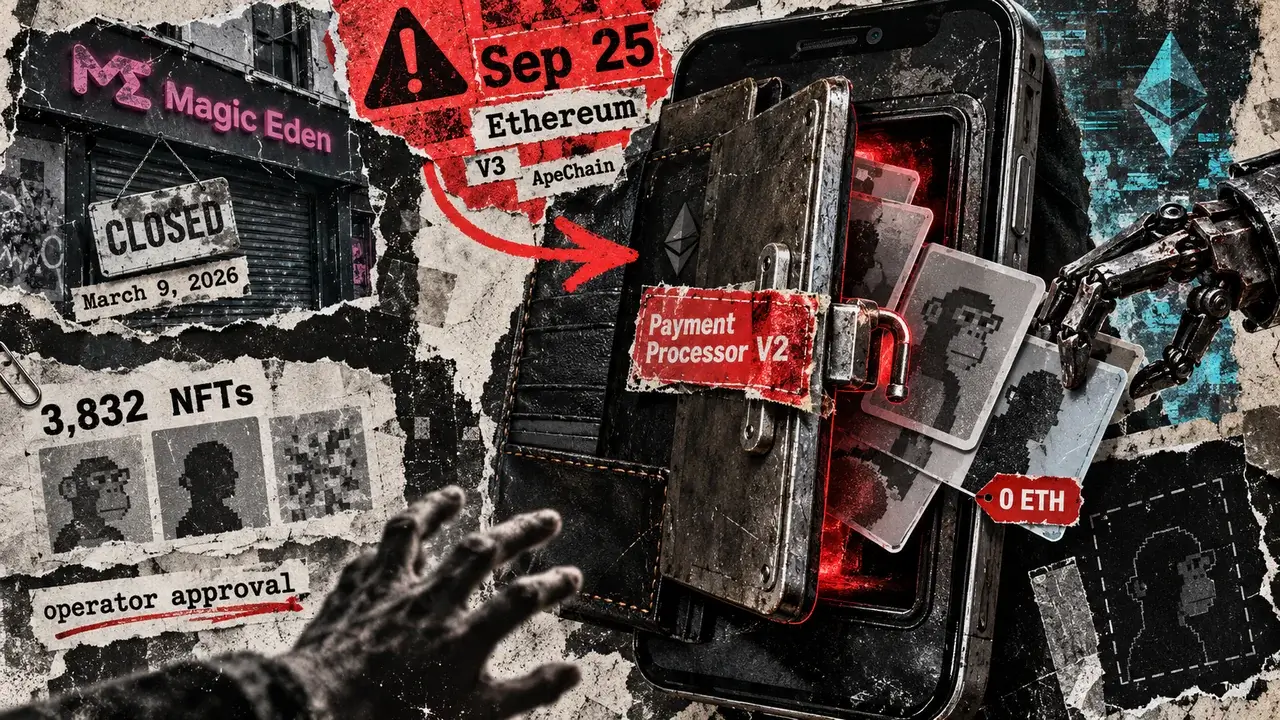
Old Magic Eden NFT approvals put users at risk after whitehat moves 3,832 NFTs
Old Magic Eden NFT approvals could still put some former users at risk months after the company closed its Ethereum marketplace. A...
DeFi hack attack: Three exploits snatch $11M in a single day
Crypto and DeFi projects continue to be hacked at a dizzying pace, and few days in recent weeks have been incident-free. That said...