Hackers Exploit Old YouTube Accounts to Promote Crypto Drain Scams: Report
Hackers are hijacking older YouTube accounts to promote a crypto scam disguised as a trading bot, according to a new report from cybersecurity firm SentinelLABS. Key Takeaways: Hackers are using old YouTube accounts to p...
Archive context
Older archive item. Useful for background and entity history, but not a fresh market-moving signal.

Hackers are hijacking older YouTube accounts to promote a crypto scam disguised as a trading bot, according to a new report from cybersecurity firm SentinelLABS.
Key Takeaways:
- Hackers are using old YouTube accounts to promote crypto-draining bots disguised as trading tools.
- The smart contracts link to scammer wallets, enabling fund theft once victims deposit ETH.
- AI-generated videos and managed comment sections create a false sense of legitimacy.
The operation active since at least 2024 involves misleading videos that direct viewers to deploy a smart contract supposedly designed for automated crypto trading.
In reality, the contract contains hidden code that links it to a scammer’s wallet. Once a user funds the contract, often urged to deposit a minimum of 0.5 ETH, the attacker gains the ability to drain the assets.
SentinelLABS: Crypto Scam Shows Mixed Results but Alarming SuccessSentinelLABS senior researcher Alex Delamottea said the scheme has seen mixed results but is clearly effective.
One attacker wallet netted 244.9 ETH, while others collected 7.59 and 4.19 ETH, together totaling over $939,000 at current prices.
“These scams will inevitably work on victims who fail to scrutinize how these tools operate,” Delamottea warned.
What makes the scam particularly deceptive is its delivery. The bad actors are using older YouTube accounts with histories of uploading crypto news, investment advice, or general pop culture content to lend credibility.
It’s unclear whether the scammers created these accounts or purchased them, either is possible, as aged accounts are easily found for sale on Telegram and through search engine ads.
Many of the scam videos appear AI-generated, complete with manipulated visuals and voiceovers.
This allows the perpetrators to produce numerous videos without revealing their identities.
Negative comments are actively removed, while fake testimonials in the comments section claim the bot delivered profits.
“These actors are clearly managing comment sections to maintain an illusion of trust,” Delamottea said, noting that more skeptical users are starting to turn to Reddit to fact-check the bot.
She stressed that crypto traders should avoid deploying code promoted through influencer videos or social media, especially if it promises fast, effortless gains.
“Understand the tool before using it. If it sounds too good to be true, it probably is.”
Investor Loses $3M in Crypto Phishing ScamAs reported, a cryptocurrency investor has fallen victim to a phishing scam, losing $3.05 million in Tether (USDT) after unknowingly signing a malicious blockchain transaction.
The loss, flagged by blockchain analytics platform Lookonchain on Wednesday, underscores the rising threat of phishing attacks targeting digital asset holders.
The attacker exploited a common habit among crypto users: validating only the first and last few characters of a wallet address while ignoring the middle.
Crypto investors lost over $2.2 billion to hacks, scams, and breaches in the first half of 2025, driven largely by wallet compromises and phishing attacks, according to CertiK’s latest security report.
Wallet breaches alone caused $1.7 billion in losses across just 34 incidents, while phishing scams accounted for over $410 million across 132 attacks.
The post Hackers Exploit Old YouTube Accounts to Promote Crypto Drain Scams: Report appeared first on Cryptonews.
Why this matters
This security story adds another data point to the current market tape and is useful when read alongside nearby source coverage.
Original source
Read on CryptonewsRelated market context

US Charges Man After Crypto Scam Wallets Received More Than $53M
TL;DR U.S. prosecutors have charged a Vietnamese national with money laundering tied to alleged cryptocurrency “pig butchering” sc...

D’CENT app wallet attack drains 12.4M XRP from thousands of users over 10-day spree
The attack highlights the critical need for robust security measures and timely updates to prevent large-scale cryptocurrency thef...
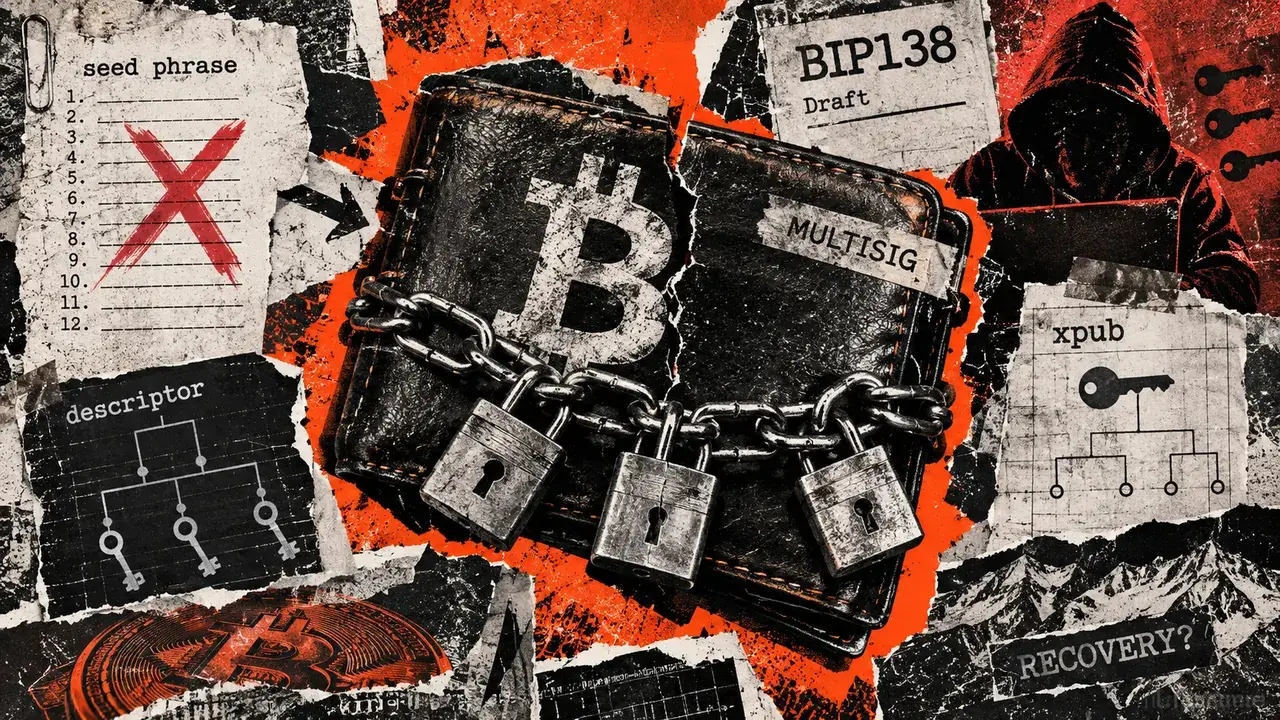
New Bitcoin proposal rescues locked multisig wallets – At a hidden cost
Bitcoin's BIP138 wallet-backup proposal was merged into the Bitcoin Improvement Proposals repository on Sept. 21, but the specific...

North Korean Hackers Linked to $388M Bitget Crypto Exchange Theft: CEO
Bitcoin Magazine North Korean Hackers Linked to $388M Bitget Crypto Exchange Theft: CEO Hackers from North Korea targeted crypto e...

Bitget Halts Withdrawals After $351.6M Hot Wallet Incident Hits Crypto Exchange
Key Takeaways: Bitget reported unauthorized transactions of about $351.6 million that occurred in a portion of its hot & warm wall...
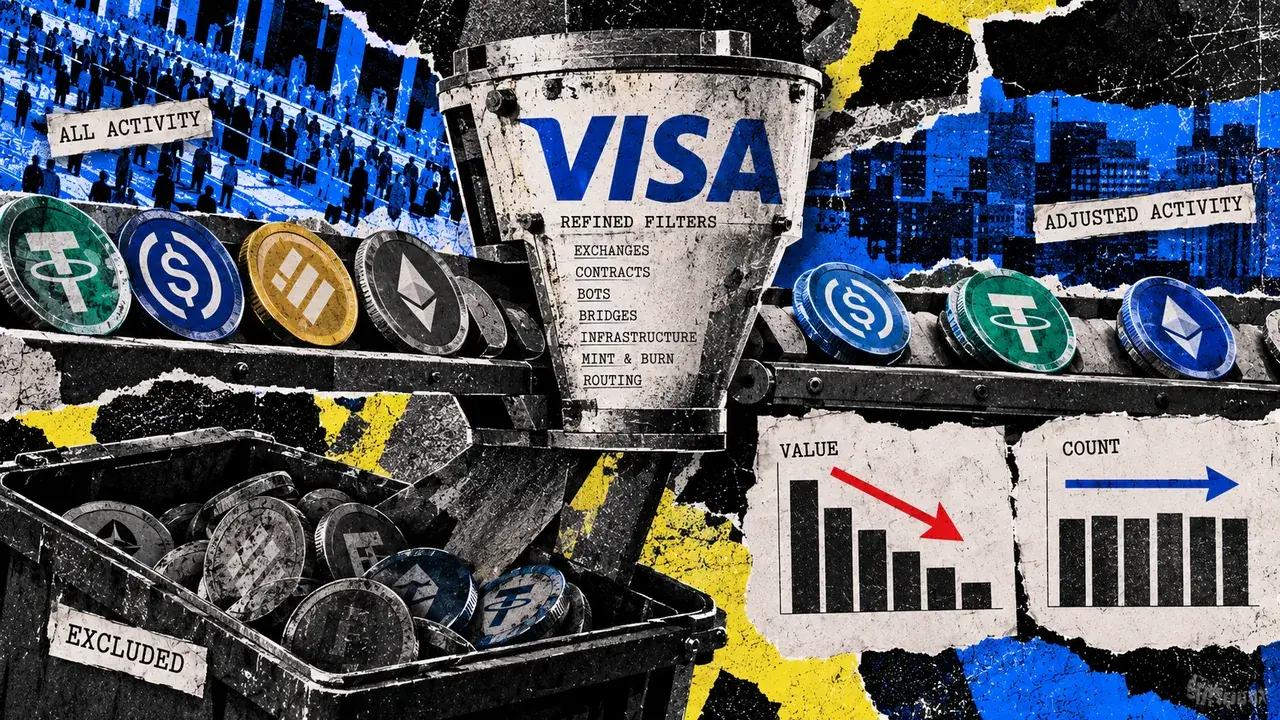
Visa cuts reported stablecoin volume but there’s no proof payments fell
Visa’s September 18 data refresh lowered its adjusted stablecoin volume measure, while its adjusted transaction count fell by less...