HK Police Warn against a Wave of Phishing Scam: Binance Users Lost $446K
Binance users in Hong Kong have become the latest target of fraudsters, which has even forced the local police to issue a warning. In the last two weeks, at least 11 Binance customers in Hong Kong lost more than $446,000...
Archive context
Older archive item. Useful for background and entity history, but not a fresh market-moving signal.
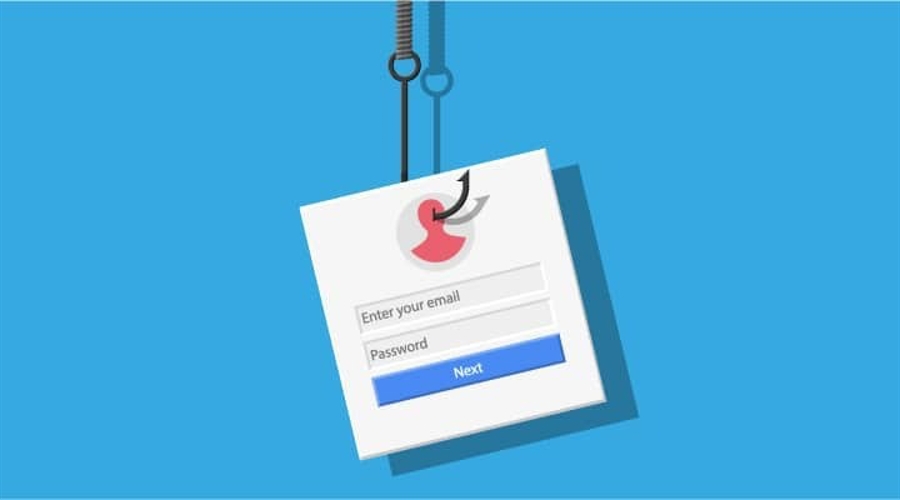
Binance users in Hong Kong have become the latest target of fraudsters, which has even forced the local police to issue a warning. In the last two weeks, at least 11 Binance customers in Hong Kong lost more than $446,000 (HKD 3.5 million) in a wave of phishing scams sent through text messages.
A Wave of Phishing Scams in Hong Kong
According to Hong Kong police, Binance customers received a text message to verify their account before the deadline with a phishing link in it.
“Recently, fraudsters posing as Binance sent text messages claiming that users must click the link in the message to verify their identity details before a deadline, otherwise their account would be deactivated,” the warning of Hong Kong police from its Facebook page dubbed “CyberDefender” stated.
When the victims click the phishing link and enter the credentials to ‘verify’ their accounts, the fraudsters gain full access to their Binance account and drain the funds. The modus operandi echoes any typical phishing scam.
Changpeng Zhao, the Founder and CEO of Binance, also warned customers with a tweet.
Beware of scammers. Stay #SAFU! pic.twitter.com/XZMDMKkBJf
— CZ 🔶 Binance (@cz_binance) October 9, 2023The Turbulent Crypto Industry in Hong Kong
The crypto industry in Hong Kong is already in turmoil after the fraudulent offering by JPEX emerged. Losses from that exchange balloon to an estimated $180 million as local police received complaints from more than 2,300 victims of the exchange.
The JPEX scandal resulted in several arrests in Hong Kong and forced the authorities to enhance their actions against illegal crypto offerings.
Hong Kong’s Securities and Futures Commission already mandated the licensing of all crypto exchanges operating within its jurisdiction. The regulatory framework kicked in earlier this year, but to date, only two exchanges, HashKey and OSL, have received a license.
Several other crypto exchanges in Hong Kong also applied for the license. Although JPEX heavily advertised that it had applied for the Hong Kong license, it did not submit any application to the local regulator. After this fiasco, the SFC issued a complete list of companies seeking the crypto license and broadened its list of suspicious platforms.
This article was written by Arnab Shome at www.financemagnates.com.Why this matters
This security story adds another data point to the current market tape and is useful when read alongside nearby source coverage.
Original source
Read on Finance MagnatesRelated market context
Binance says stolen crypto has been replaced but some customers have to wait
The 198-token reserve snapshot expands Binance's disclosed scope, while proof availability, phased withdrawals and SAFU restoratio...

U.S. Targets $1.2 Billion From Binance Hack—Where Is the Rest?
The Binance hack recovery has reached a significant milestone: U.S. authorities say more than $1.2 billion in stolen cryptocurrenc...

Binance’s Reserve Page Shows 1.06 Billion More USDT Than Customer Balances After Hack Refill
Binance said on Nov. 12 it has finished covering all assets hit in its Oct. 29 hack, though customers can’t yet check that for the...

Binance Puts New Reserve Snapshot Under Scrutiny After $6.3B Crypto Hack
Key Takeaways: Binance states that assets affected by the hack of $6.3B are covered. There is now a new Proof of Reserves snapshot...

Binance Says It Has Fully Covered the $6.34 Billion Hack With Company Funds
Bitcoin Magazine Binance Says It Has Fully Covered the $6.34 Billion Hack With Company Funds Binance said Thursday it has complete...
Safepal Hardware Wallet Users Receive Fake Security Alerts in the Mail
Safepal customers in Italy are reportedly being targeted by a sophisticated phishing campaign involving fraudulent letters contain...