India, Russia Mull Payment System Integration in Face of US Sanctions
The governments of India and Russia are considering integrating part of their payment systems, in order to counter the possible future effect of US sanctions on the capital flows of each country. The deal would include t...
Archive context
Older archive item. Useful for background and entity history, but not a fresh market-moving signal.
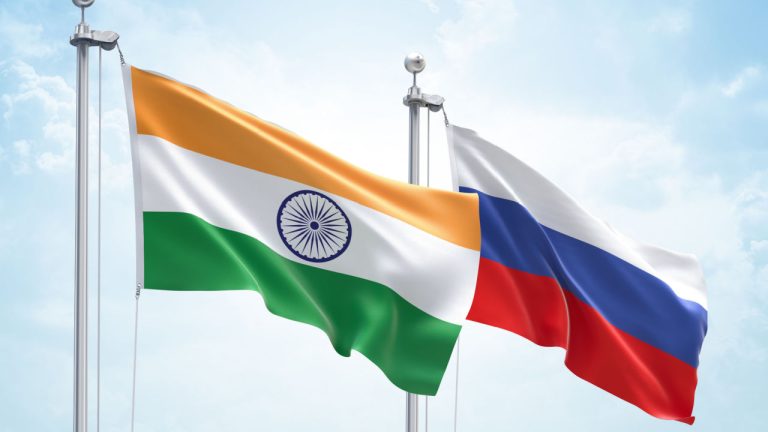
The governments of India and Russia are considering integrating part of their payment systems, in order to counter the possible future effect of US sanctions on the capital flows of each country. The deal would include the integration of India’s Rupay card system and its Russian counterpart, Mir Cards, to allow seamless payments between the two countries.
Russia and India Consider Integration of Payment StacksRussia and India are mulling the integration of their debit payment stacks in order to prevent negative affects on their common payment flows by a hypothetical extension of U.S. sanctions in the future. In a recent high-level meeting, in which India’s External Affairs Minister Subrahmanyam Jaishankar and Russian Deputy Prime Minister Denis Manturov were present, the countries agreed to explore this integration to facilitate capital flows.
The agreement included considering the acceptance of Russia’s Mir Cards system in India, and India’s Rupay system in Russia, allowing citizens of both countries to make cross-border payments using debit cards natively.
There were also talks about a higher integration at the event, with authorities agreeing to further explore the interaction of the Unified Payments Interface (UPI), the Indian payment stack, and the Faster Payments System (FPS), its Russian counterpart.
India has been active in integrating its payment system with other countries. In February, it linked Singapore’s payments system, called Paynow, into its payment stack, allowing cross-border payments between the two countries without using additional payment bridges.
Preventing US Sanction EffectsThe main objective behind this exploration is to prepare for a possible extension of U.S. sanctions that would cut the connection between the banking systems of the two countries, making the possibility of direct payments unfeasible. While this is being projected into the future, some Indian companies have already been unable to collect payments linked to dividends of Russian oil companies due to the sanctions enacted by the U.S. government on Moscow.
According to local reports, ONGC Videsh Ltd, Oil India, Bharat Petroleum Corp, and Indian Oil Corp — four Indian companies — have had payments of between $300 and $400 million blocked since last year due to the disconnection of Russian banks from the Society for Worldwide Interbank Financial Telecommunication (SWIFT) system, that allows for cross-border payment using the current banking system.
What do you think about the possible integration of the Indian and Russian payment systems to minimize the effect of US sanctions? Tell us in the comment section below.
Why this matters
This security story adds another data point to the current market tape and is useful when read alongside nearby source coverage.
Original source
Read on Bitcoin NewsRelated market context

Bottomline Completes First USDC Transfers Inside Its Enterprise Payments Platform
TL;DR: Bottomline has completed live USDC transfers inside its enterprise payments platform. The initial transfer was between comp...

Griffin Raises $20M to Bring Stablecoin Payments and Card Issuing to Its Banking Platform
Key Takeaways: Griffin raised $20 million in a Series B round at a valuation exceeding $100 million. The UK’s bank is set to intro...

Bitcoin Holiday? Thailand Opens the Door to Nationwide Crypto Payments for Tourists
Thailand is giving crypto holders another reason to book a holiday. Foreign tourists can now convert their digital assets into Tha...
MegaETH Cuts 20% of Staff, ChatGPT Gains AI Payments, Jane Street Reshuffles Bitcoin ETFs
MegaETH cuts 20% of staff to pivot toward AI, OpenAI launches agentic card payments in ChatGPT, and Jane Street rotates billions b...

Circle and Global Citizen Plan USDC Vendor Payments for Move Afrika in 2027
TL;DR: Circle and Global Citizen plan USDC vendor payments and training for Move Afrika, starting in Rwanda in 2027. The businesse...

Exodus Movement reports $10.9 million in payments revenue as wallet business cools
Exodus Movement's pivot to payments signals a strategic shift, potentially stabilizing revenue streams amid declining wallet busin...