Industry exec sounds alarm on Ledger phishing letter delivered by USPS
Scammers posing as Ledger, a hardware wallet manufacturer, are sending physical letters to crypto users instructing them to "validate" their wallets or risk losing access to funds, in the latest phishing attack to impact...
Archive context
Older archive item. Useful for background and entity history, but not a fresh market-moving signal.

Scammers posing as Ledger, a hardware wallet manufacturer, are sending physical letters to crypto users instructing them to "validate" their wallets or risk losing access to funds, in the latest phishing attack to impact the industry.
BitGo CEO Mike Belshe shared a picture of the scam letter, which featured a QR code, presumably linked to a malicious phishing site. The letter was sent through the United States Postal Service (USPS), according to the executive.
"These are all scams do not fall for any of these," Troy Lindsey wrote after receiving a copy of the phishing letter.
A copy of the scam Phishing letter. Source: Mike BelsheCointelegraph reached out to Ledger for comment but was unable to obtain a response by the time of publication.
This phishing attempt highlights the ever-evolving complexity and tactics of social engineering scams designed to steal crypto private keys, user funds, and other sensitive data from unsuspecting victims.
Related: Hackers using fake Ledger Live app to steal seed phrases and drain crypto
Coinbase and crypto users hit hard by phishing attacks in 2025In April 2025, $330 million in Bitcoin (BTC) was stolen from an elderly individual through a phishing attack, onchain detective ZackXBT confirmed in an April 30 X post.
"Two suspects in the $330 million heist include 'Nina/Mo' — a Somalian who operates a call scam center in Camden, UK — and an accomplice 'W0rk,' who assisted with the site and call," the onchain security analyst said in an update.
On May 15, crypto exchange Coinbase announced it was the target of a ransom attempt after customer service contractors, who were later fired by the company, leaked user data to threat actors.
The scammers demanded a $20 million ransom, which Coinbase refused to pay, and the stolen data included names, addresses, contact information, and a limited amount of other sensitive account data belonging to a small subset of Coinbase customers.
No private keys, login credentials, or accesses to Coinbase Prime accounts were compromised during the leak, according to the exchange.
TechCrunch founder Michael Arrington was highly critical of the exchange for the security failure, arguing that it will lead to physical violence against customers exposed in the hack.
Magazine: Crypto-Sec: Phishing scammer goes after Hedera users, address poisoner gets $70K
Why this matters
This security story adds another data point to the current market tape and is useful when read alongside nearby source coverage.
Original source
Read on CointelegraphRelated market context
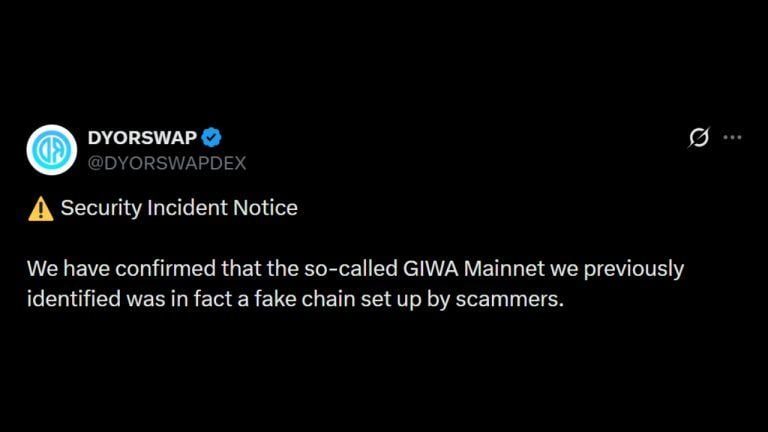
Scammers Launch Fake ETH L2 to Steal $2M From Crypto Traders
An unidentified group of threat actors launched a fake L2 chain impersonating Giwa, a project backed by Upbit, identified by DYORS...

Scammers steal over $2M by creating fake GIWA blockchain
The incident highlights the urgent need for improved blockchain security measures and verification processes to prevent similar sc...

Riot Repays Coinbase Loan, Ends $200 Million Bitcoin-Backed Facility
Riot Platforms (NASDAQ: RIOT) has repaid its outstanding borrowing from Coinbase Credit and terminated a $200 million credit facil...

US Charges Man After Crypto Scam Wallets Received More Than $53M
TL;DR U.S. prosecutors have charged a Vietnamese national with money laundering tied to alleged cryptocurrency “pig butchering” sc...
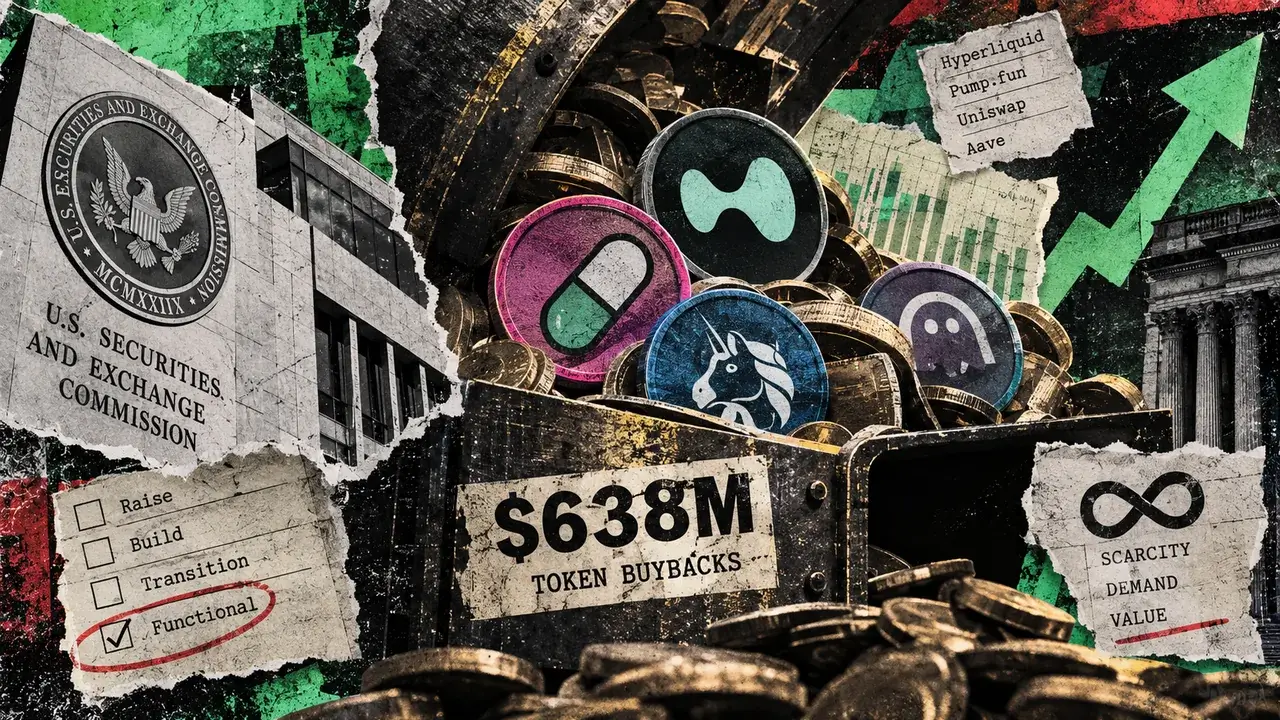
SEC clears regulatory hurdle as crypto token buybacks hit record $638 million
Crypto projects spent about $638 million with token buybacks through late August 2026, according to Allium Labs data. That is alre...
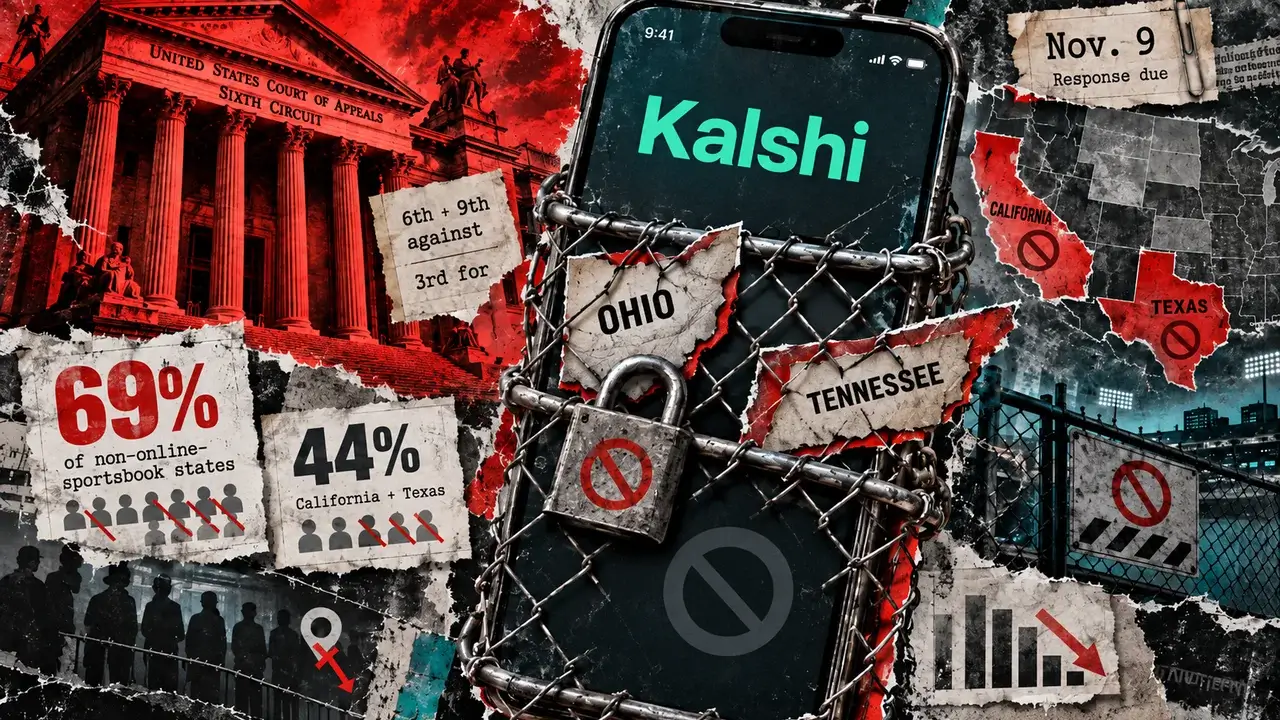
Kalshi must lock out state users after major court loss
The Sixth Circuit ruled Sept. 25 that Ohio and Tennessee can apply their gambling laws to Kalshi's sports contracts. The court rej...