Kaito AI and founder Yu Hu’s X social media accounts hacked
Kaito AI, an artificial intelligence-powered platform that aggregates crypto data to provide market analysis for users, and its founder Yu Hu, were the victims of an X social media hack on March 15.In several now-deleted...
Archive context
Older archive item. Useful for background and entity history, but not a fresh market-moving signal.

Kaito AI, an artificial intelligence-powered platform that aggregates crypto data to provide market analysis for users, and its founder Yu Hu, were the victims of an X social media hack on March 15.
In several now-deleted posts, hackers claimed that the Kaito wallets were compromised and advised users that their funds were not safe.
According to DeFi Warhol, the hackers opened up a short position on KAITO tokens before posting the messages in the hopes that users would sell or pull their funds, which would have crashed the price and created profits for the threat actors.
The price of the KAITO token dips, presumably due to a short position. Source: CoinMarketCap
The Kaito AI team regained access to the accounts and reassured users that Kaito token wallets were not compromised in the social media exploit.
“We had high-standard security measures in place to prevent [the hack] — so it seems to be similar or the same as other recent Twitter account hacks,” the Kaito AI team added.
This recent exploit is the latest in a growing list of social media hacks, social engineering scams, and cybersecurity incidents plaguing the crypto industry.
Source: Kaito AI
Related: Kaito AI token defies influencer selling pressure with 50% price rally
Vigilance is key: some of the latest scams and exploits to impact cryptoPump.fun's X account was hacked on Feb. 26 by a threat actor promoting several fake tokens, including a fraudulent governance token for the fair launch platform called "Pump."
According to onchain sleuth ZackXBT, the Pump.fun incident was directly connected to the Jupiter DAO account hack and the DogWifCoin X account compromise.
On March 7, The Alberta Securities Commission, a Canadian financial regulator, warned the public that malicious actors were using fake news articles and fake endorsements featuring the likeness of Canadian politicians to promote a crypto scam.
The scam, known as CanCap, played on fears of a trade war between Canada and the US to lure unsuspecting victims into investing in the project, which the scammers claimed had the support of Canadian leader Justin Trudeau.
An example of a Lazarus social engineering scam where the hackers pretend to be venture capitalists experiencing audio-visual issues. Source: Nick Bax
Crypto executives are also sounding the alarm on a new scam from the state-sponsored Lazarus hacker group, where the hackers pose as venture capitalists in a Zoom meeting.
Once the target is in the meeting room, the hackers would claim they were experiencing audio-visual issues and redirect the victim to a malicious chat room where the user is encouraged to download a patch.
The patch contains malicious software designed to steal crypto private keys and other sensitive information from the victim’s computer.
Magazine: Lazarus Group’s favorite exploit revealed — Crypto hacks analysis
Why this matters
This security story adds another data point to the current market tape and is useful when read alongside nearby source coverage.
Original source
Read on CointelegraphRelated market context

Crypto Hacks: Three Projects Hacked in One Day as Losses Hit Over $11M
Three crypto projects were attacked on September 24, suffering combined losses of more than $11M. Attackers drained around $1.8M f...
Bitget Reopens Bitcoin Withdrawals, Starting Phased Restart After $388 Million Hack
Bitget reopened bitcoin withdrawals on Monday, the first step in bringing back a service the exchange has kept frozen since attack...
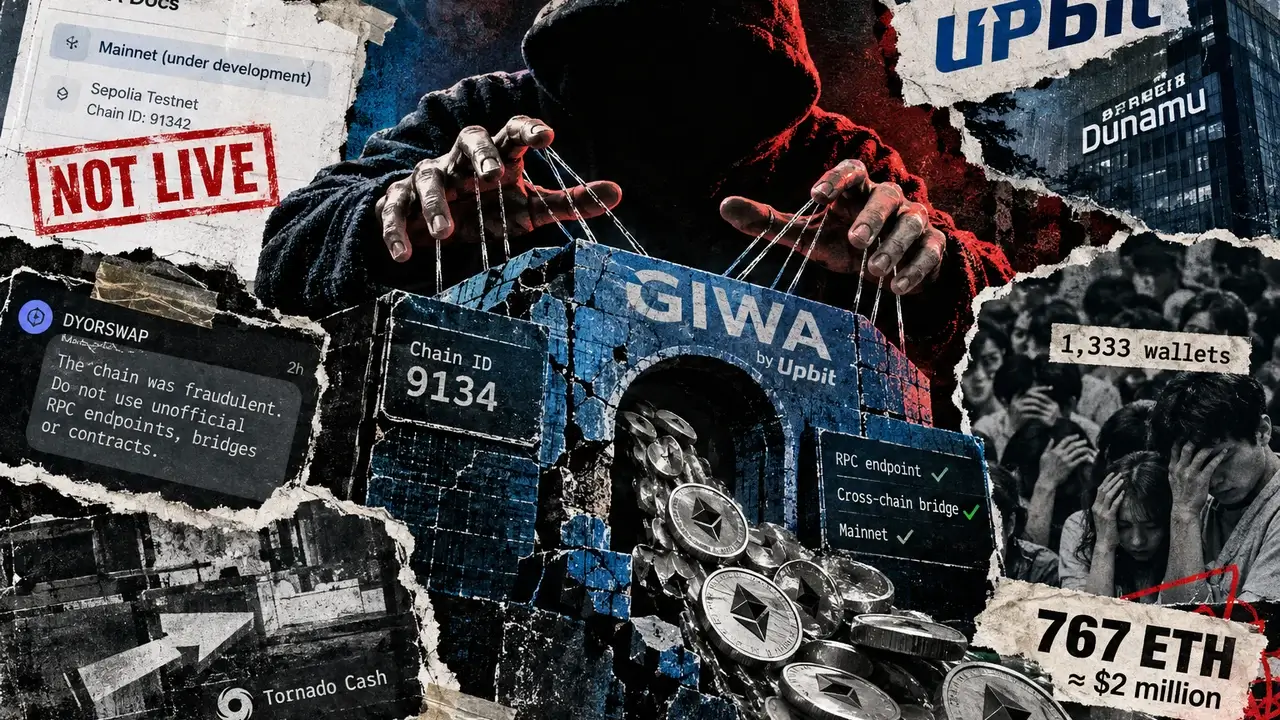
Crypto scammers built an entire fake blockchain to steal over $2 million
Scammers built a counterfeit version of Upbit-backed GIWA blockchain and lured 1,333 wallets into depositing 767 ETH, worth about...

XRP News: Bitget Hacker Moves 54M XRP, Putting Fresh Selling Pressure
The attacker behind Bitget’s $388 million news driver has moved about 54 million stolen XRP out of three of the five wallets that...
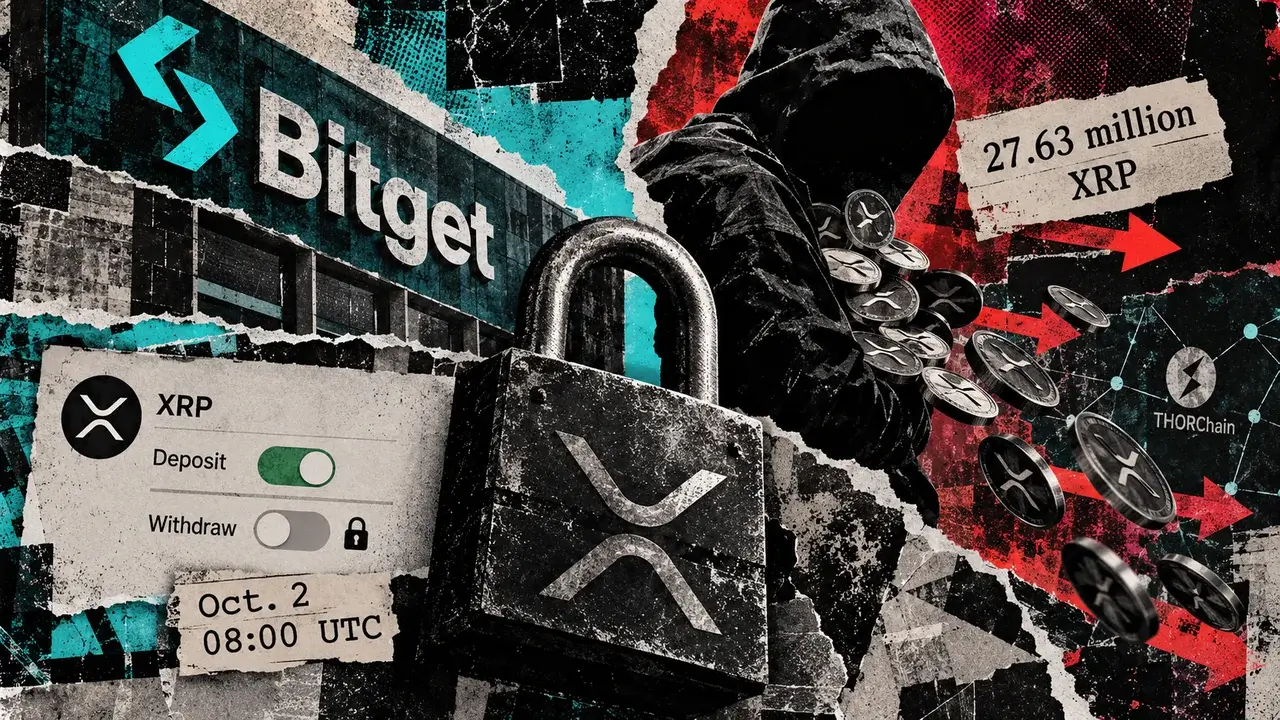
Bitget freezes XRP withdrawals as 27M stolen tokens move
Bitget’s XRP withdrawal route was still disabled on Sept. 26, even as the exchange set Oct. 2 at 08:00 UTC for the last phase of i...

Tokenized iShares MSCI South Korea ETF Arrives on StonkFun for Solana Coin Launches
Key Takeaways: StonkFun now supports coin launches paired with $EWY, the tokenized iShares MSCI South Korea ETF. Overall, the inte...