Major Breach Study Reveals Widespread Leaks of Bank Statements, SSNs, and Crypto Keys
A new study has revealed the extent of sensitive information leaked through ransomware attacks and data breaches, including key financial documents and crypto keys. Key Takeaways: Unstructured files like financial docume...
Archive context
Older archive item. Useful for background and entity history, but not a fresh market-moving signal.

A new study has revealed the extent of sensitive information leaked through ransomware attacks and data breaches, including key financial documents and crypto keys.
Key Takeaways:
- Unstructured files like financial documents and crypto keys are being widely exposed in breaches.
- Cryptographic keys were found in 18% of incidents, posing serious security risks.
- Cybercriminals are mining breached data like data scientists, targeting high-value information.
The report, published by cybersecurity firm Lab 1, analyzed over 141 million records from 1,297 breach incidents.
Unlike most breach assessments that focus on structured data like usernames and passwords, Lab 1’s analysis targeted unstructured files, the type often overlooked but potentially more damaging.
Hidden Dangers: Financial Docs, Crypto Keys, and Emails ExposedThe breaches include financial documents, cryptographic keys, email archives, and internal business records.
According to Lab 1 CEO Robin Brattel, the goal was to expose the risks hidden in everyday files that rarely draw attention.
“We focused on the huge risks associated with unstructured files that often hold high-value information, such as cryptographic keys, customer account data, or sensitive commercial contracts,” he said.
The findings are alarming. Financial documents appeared in 93% of the breach incidents studied, accounting for 41% of all analyzed files.
Nearly half included bank statements, and over a third contained International Bank Account Numbers.
In 82% of the cases, customer or corporate personally identifiable information (PII) was exposed, much of it originating from customer service interactions.
A staggering 51% of incidents included emails containing U.S. Social Security numbers.
Perhaps most concerning was the discovery of cryptographic keys in 18% of the breaches.
The Tea App leak is so crazy.
The geolocation feature could endanger the users.
How do you even plug such vulnerable app on the store.
The torrent magnet:?xt=urn:btih:brl45s3ysyotj6ljolmtnrlvfmyv4y7s&dn=tea&xl=59368985613&fc=57794
Geolocation meta datahttps://t.co/ExS7Nhl5YV pic.twitter.com/wzj7VcqExG
These keys can be used to bypass authentication systems, giving attackers a powerful advantage in future cyber intrusions. Source code and internal scripts were also widely leaked, appearing in 17% of the analyzed data sets.
The study underscores a shift in cybercriminal tactics. Hackers are increasingly operating like data scientists, mining stolen data for high-value assets to use in fraud, identity theft, or ransomware follow-ups.
“With cybercriminals now behaving like data scientists to unearth these valuable insights to fuel cyberattacks and fraud, unstructured data cannot be ignored,” Brattel warned.
16 Billion Logins Leaked: New Mega Breach Puts Crypto Users at RiskLast month, a massive data breach exposed more than 16 billion login credentials from platforms like Apple, Google, Facebook, Telegram, and GitHub, according to cybersecurity researchers at Cybernews.
The breach, among the largest ever recorded, is not a single leak but a combination of datasets gathered through infostealer malware, credential stuffing attacks, and undisclosed breaches tracked since early 2024. Some individual sets held as many as 3.5 billion entries.
Researchers warned the leaked credentials—many recently harvested—pose a severe threat to users, especially those in crypto, due to the inclusion of sensitive login details, cookies, and tokens.
The structure of the data suggests it was harvested by modern malware, making it far more dangerous than older, recycled leaks.
One dataset tied to Telegram included 60 million records, while another, allegedly linked to Russia, had over 455 million.
Much of the data was found in unsecured Elasticsearch databases and object storage systems, briefly exposed but long enough to be copied.
Although the exact source remains unclear, cybersecurity experts suspect criminal actors compiled the records.
With such a vast trove of credentials, attackers now have tools for phishing, ransomware, and unauthorized access to crypto wallets, especially for users lacking multi-factor authentication.
The post Major Breach Study Reveals Widespread Leaks of Bank Statements, SSNs, and Crypto Keys appeared first on Cryptonews.
Why this matters
This security story adds another data point to the current market tape and is useful when read alongside nearby source coverage.
Original source
Read on CryptonewsRelated market context

IBM Connects Banks To Swift’s Blockchain Ledger For Tokenized Deposits
IBM Digital Asset Haven can now connect financial institutions to Swift’s blockchain-based shared ledger through a beta integratio...

Quant Crypto Blasts 3x in a Week Following Huge US Bank Deal
Quant crypto has exploded roughly +178% over the last seven days, including an extraordinary +72% daily surge. Quant is quickly be...
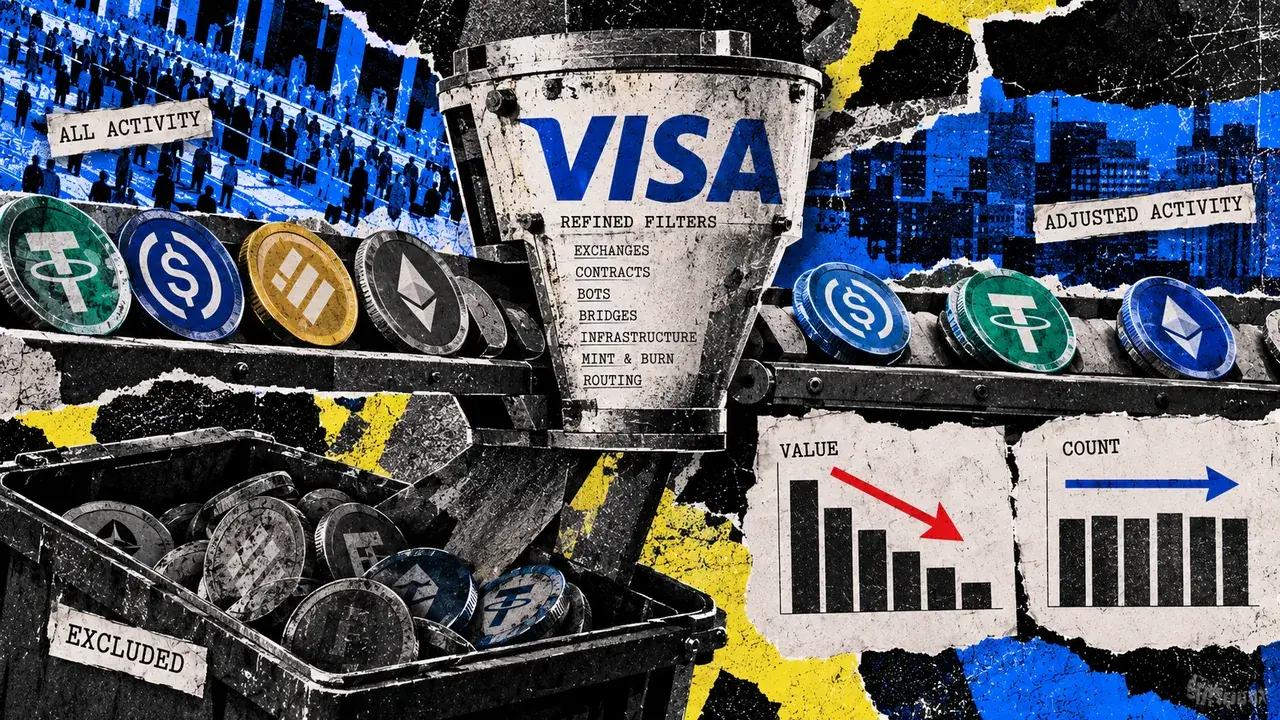
Visa cuts reported stablecoin volume but there’s no proof payments fell
Visa’s September 18 data refresh lowered its adjusted stablecoin volume measure, while its adjusted transaction count fell by less...
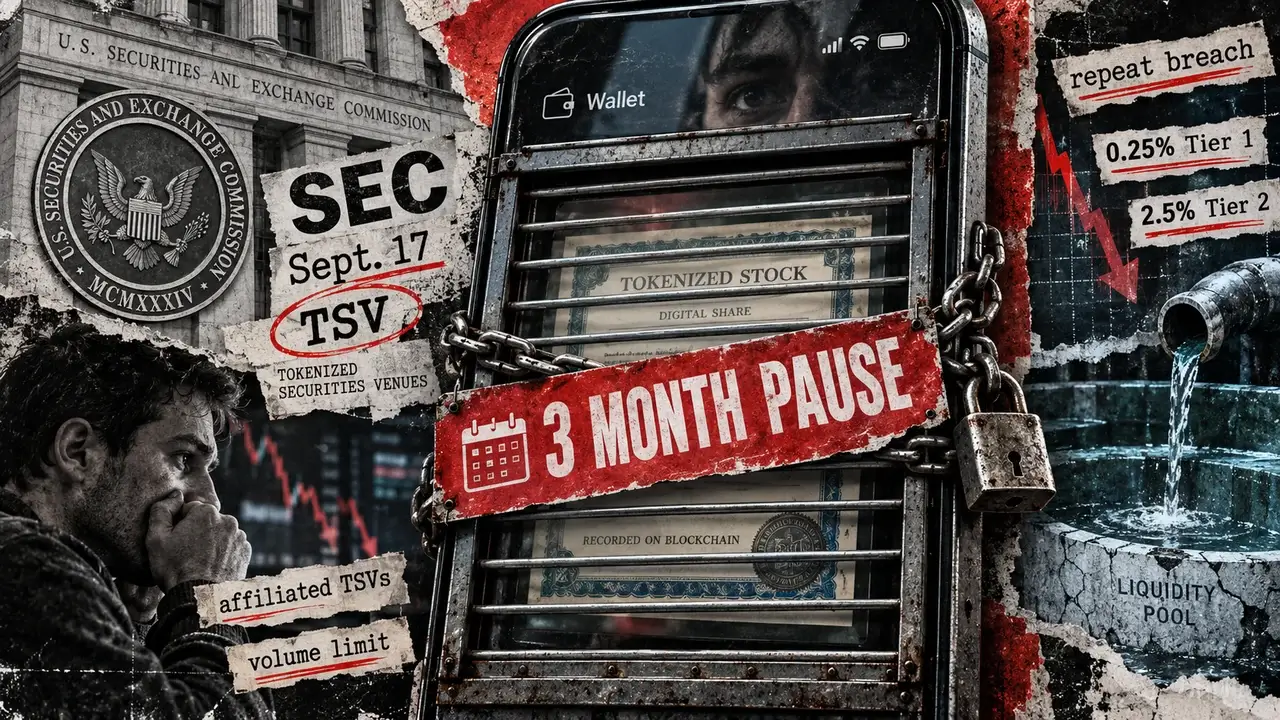
Why your tokenized stock could stop trading for three months
Buying a tokenized stock sounds as though it should be simple. You pick a company you know, buy a token representing its shares, a...

Bitget Confirms $387.5 Million Security Breach as Revised On-Chain Accounting Reveals Wider Losses
Bitget raises breach losses to $387.5 million after Zcash and TRON transfers found. Attackers spoofed backend transaction data to...
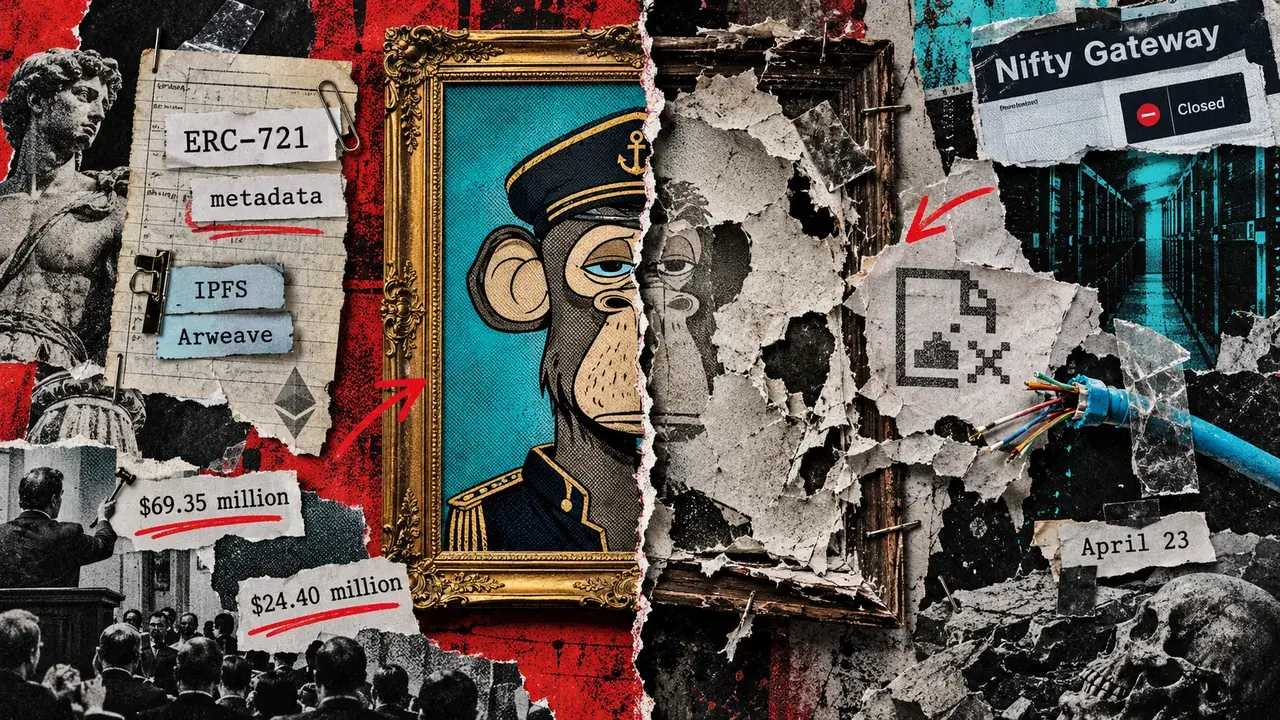
The NFT party is over and everybody now owes storage rent
In 2021, Christie's sold a Beeple NFT for $69.35 million, and Sotheby's took another $24.40 million for 101 Bored Ape Yacht Club N...