OneCoin Scam: DOJ Opens Path For Compensation With $40 Million In Forfeited Assets
The US Justice Department (DOJ) has announced a compensation process for victims of the OneCoin fraud. The funds are expected to come from property forfeited in the case, money traced back to the people behind the scheme...
Archive context
Older archive item. Useful for background and entity history, but not a fresh market-moving signal.

The US Justice Department (DOJ) has announced a compensation process for victims of the OneCoin fraud. The funds are expected to come from property forfeited in the case, money traced back to the people behind the scheme, including co-founders Ruja Ignatova and Karl Sebastian Greenwood.
The DOJ said in a Monday statement that more than $40 million in forfeited assets are currently available for victim compensation.
OneCoin Proceeds To Compensate VictimsOneCoin was an international cryptocurrency investment scheme that ran from 2014 to 2019 and relied on deception to draw in investors around the world. Prosecutors say Ignatova and Greenwood, along with others, orchestrated the scheme.
Ignatova, dubbed “the CryptoQueen,” disappeared on October 25, 2017. Since then, she has been presumed to be on the run from various international law enforcement agencies. Greenwood, on the other hand, was sentenced to 20 years in prison in 2023 for his participation in the scheme.
The DOJ describes OneCoin as a fraudulent cryptocurrency that was marketed and sold through a “global multi-level marketing network.” Although OneCoin began operations in Bulgaria, the scheme reached beyond Europe and targeted victims globally through promises that officials say were false.
The DOJ stated that the scheme resulted in losses that totaled more than $4 billion worldwide. In the agency’s description, investors were misled about the nature and legitimacy of OneCoin, and many put money into what the DOJ characterizes as “a lie disguised as cryptocurrency.”
At the same time, prosecutors sought criminal forfeiture of property linked to proceeds from the fraud scheme. The DOJ explained that once a final order of forfeiture is issued, net proceeds from those forfeited assets would be used to compensate victims through the remission process.
DOJ Details Remission Rules And DeadlineWhile the announcement focuses on the compensation pathway, DOJ officials also framed the forfeiture effort as a way to both remove illegal gains and redirect them toward harm prevention.
Assistant Attorney General A. Tysen Duva of the Justice Department’s Criminal Division said in the statement that victims are central to the department’s work. He said the DOJ pursues forfeiture to “take the profit out of crime” and then use that money to compensate victims where possible. ‘
Under the DOJ’s description, the remission process is intended for victims who purchased OneCoin cryptocurrency between 2014 and 2019.
The DOJ’s announcement explained that eligible victims may be able to seek compensation through this process, which relies on a petition submission to be considered.
The agency clarified that submissions must be mailed, emailed, or submitted online along with supporting documentation by the deadline of Tuesday, June 30, 2026.
Featured image from OpenArt, chart from TradingView.com
Why this matters
This maps to the Security Incidents hub, so it can help confirm whether that theme is gaining breadth across the crypto news cycle.
Original source
Read on NewsBTCRelated market context
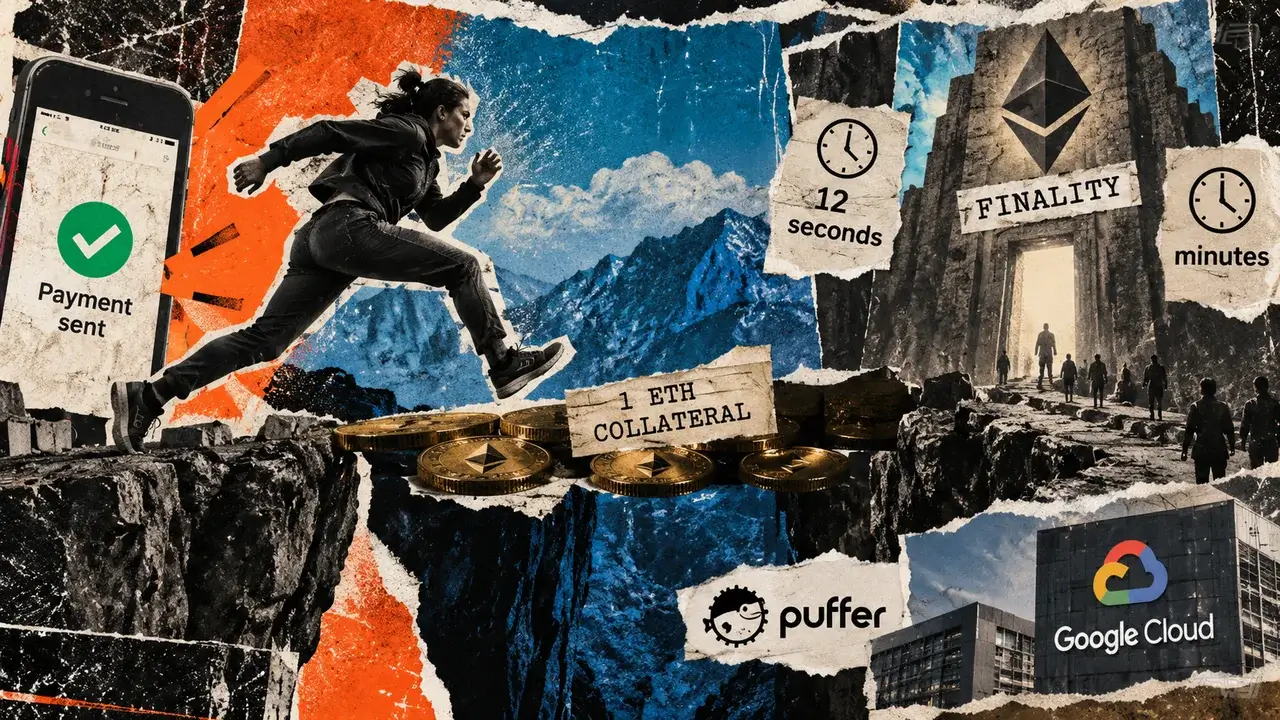
Ethereum is not instant, but collateral could make it feel that way
When a payment app tells you a transfer is complete, you start making decisions. You hand over whatever you've sold, spend the mon...

US Charges Man After Crypto Scam Wallets Received More Than $53M
TL;DR U.S. prosecutors have charged a Vietnamese national with money laundering tied to alleged cryptocurrency “pig butchering” sc...
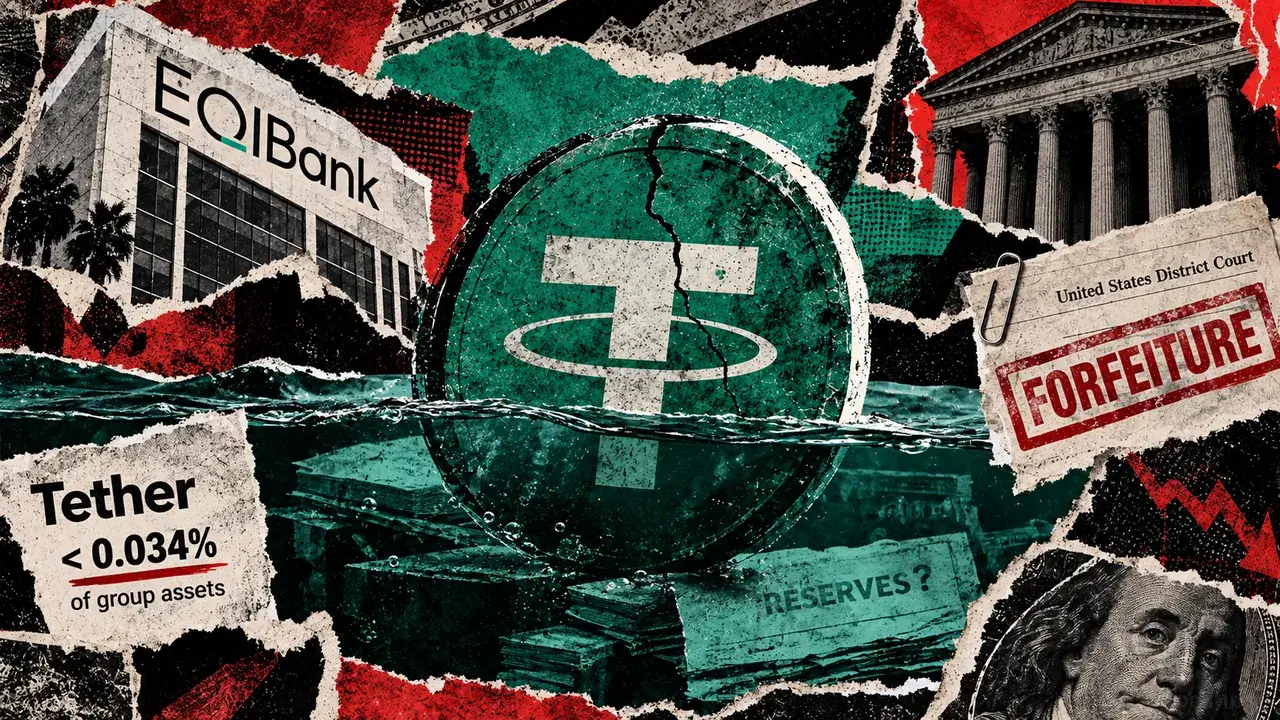
An $84 million US asset seizure just sparked a massive question for Tether
Tether has disclosed exposure to EQIBank as the bank fights a US seizure involving payment processor Capstone Limited, raising a q...
SEC Staff Says Token Buybacks Don't Make Crypto a Security—If the Network Works
New SEC staff guidance says announcing a token buyback on a functional network isn't a promise that turns the token into a securit...

Bitget Confirms $387.5 Million Security Breach as Revised On-Chain Accounting Reveals Wider Losses
Bitget raises breach losses to $387.5 million after Zcash and TRON transfers found. Attackers spoofed backend transaction data to...
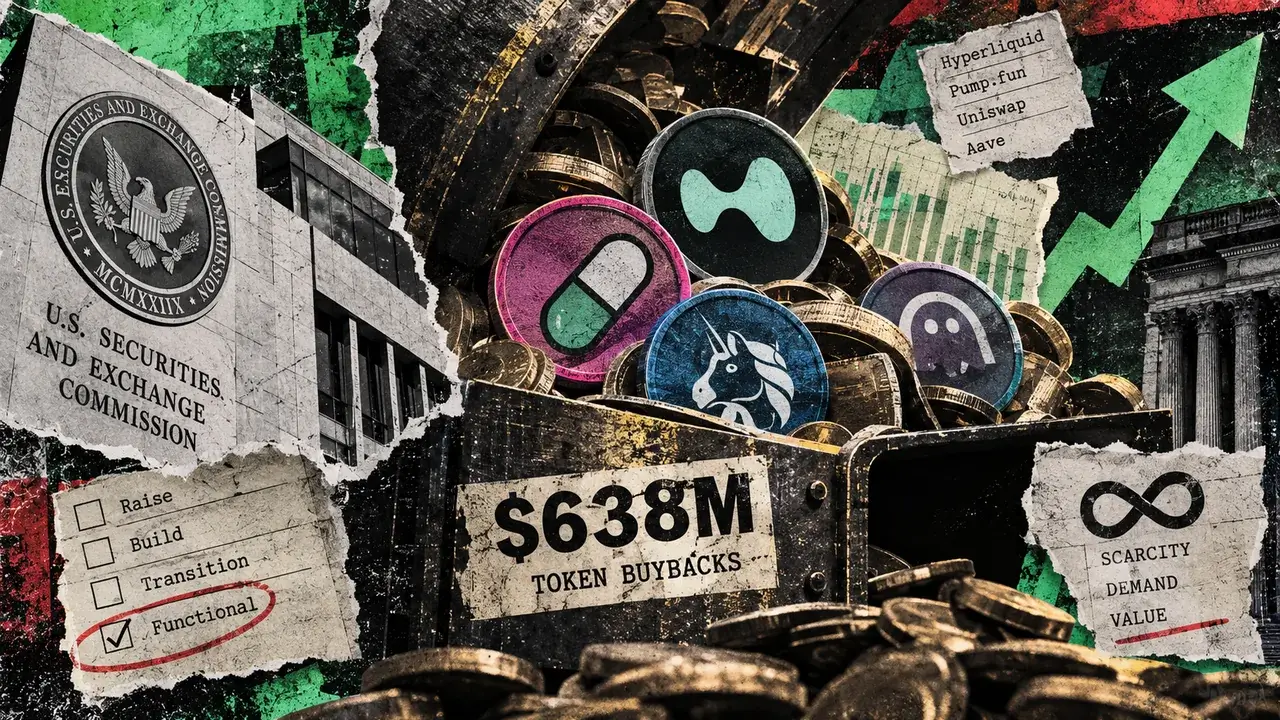
SEC clears regulatory hurdle as crypto token buybacks hit record $638 million
Crypto projects spent about $638 million with token buybacks through late August 2026, according to Allium Labs data. That is alre...