Philippines Law Enforcement Busts Crypto Scam Center, Over 1,000 Human Trafficking Victims Rescued
Over 1,000 human trafficking victims were recently rescued from a “fraud factory” in Mabalacat, a town located nearly 90 kilometers northwest of Manila, Philippines law enforcement has said. Michelle Sabino from the Phil...
Archive context
Older archive item. Useful for background and entity history, but not a fresh market-moving signal.
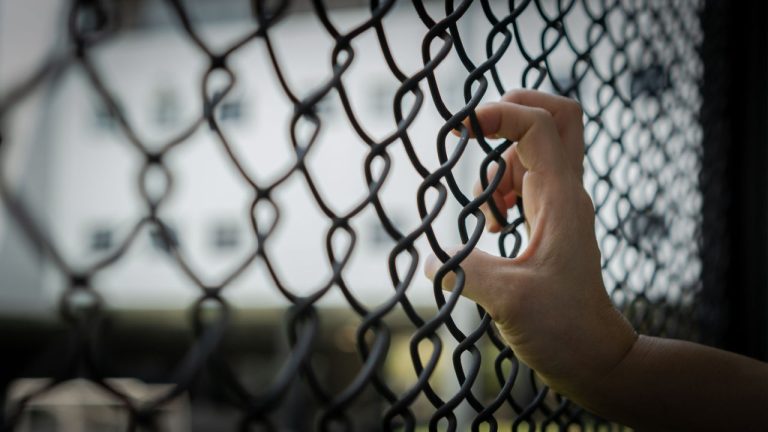
Over 1,000 human trafficking victims were recently rescued from a “fraud factory” in Mabalacat, a town located nearly 90 kilometers northwest of Manila, Philippines law enforcement has said. Michelle Sabino from the Philippine National Police Anti-Cybercrime Group said trafficking victims use social media platforms such as Facebook to lure unsuspecting individuals.
Cryptocurrency ScamsAccording to Philippines law enforcement, over 1,000 human trafficking victims were rescued following a recent raid on a compound in Mabalacat, approximately 90 kilometers northwest of the capital, Manila. According to officials, many of the trafficking victims came from Vietnam, China, Indonesia, the Philippines, Nepal, Malaysia, Myanmar, Thailand and Taiwan.
As per a VOA report, the trafficking victims were forced to perpetrate cryptocurrency scams during shifts that lasted up to 18 hours per day. Michelle Sabino, a member of the Philippine National Police Anti-Cybercrime Group, is quoted in the report explaining how the trafficking victims used social media platforms such as Facebook to lure unsuspecting individuals. The victims themselves were reportedly lured by the promise of employment.
“They were lured by social media posts promising good-paying jobs only to get trapped in these compounds that had armed guards to keep them from leaving,” Sabino explained.
The Indonesian Tip-OffThe Philippines law enforcement’s raid on the compound in Mabalacat on May 4 and 5 came after it reportedly received a tip from Indonesian officials who were inundated with pleas from trafficking victims’ families. According to the report, most of the trafficking victims are university-educated individuals with social media skills. The Global Anti-Scam Organization said the so-called online “fraud factories” are known to prefer employing English and Chinese-speaking individuals.
Meanwhile, the report also noted that while the fraud factories in the Philippines were generally thought to be located in remote areas, a recent hearing in the country’s legislature revealed that criminals are also setting them up in urban areas. While trafficking victims are sometimes given the opportunity to buy themselves out, many remain trapped because their families cannot afford the demanded fees.
What are your thoughts on this story? Let us know what you think in the comments section below.
Why this matters
This security story adds another data point to the current market tape and is useful when read alongside nearby source coverage.
Original source
Read on Bitcoin NewsRelated market context

Binance gave Russia customer details despite 2023 exit, report
Crypto exchange Binance reportedly handed Russian authorities the transaction details of one of its customers despite fully withdr...

Centrifuge reports 300% growth in tokenized assets to nearly $4B
Centrifuge's growth highlights tokenization's potential to bridge traditional finance and DeFi, offering stability amid crypto vol...

SEC Shelved Crypto Fundraising Rulemaking After Wall Street Group Weighed Legal Challenge: Report
The Securities and Exchange Commission abruptly canceled an open meeting Friday that would have started the formal rulemaking proc...

SEC charges The Spaventa Group in $74M pre-IPO fraud scheme targeting retirees
The SEC's action highlights the urgent need for stricter regulations in pre-IPO markets to protect vulnerable investors from explo...

Ex-Signature Bank chair launches blockchain-powered instant overseas payments service
N3XT's blockchain-based service could reshape global finance by offering regulated, instant cross-border payments, challenging tra...

Binance to plan UK relaunch with FCA license application: Report
Binance’s UK arm has been barred from offering regulated activities in the country since June 2021, but the company will reportedl...