Russia Explores Using Crypto for Grain Export Payments to Bypass Sanctions
Key Takeaways: Russia is exploring crypto payments for grain exports to bypass sanctions and SWIFT restrictions. The initiative aligns with BRICS efforts to reduce reliance on Western financial systems. Russia’s central...
Archive context
Older archive item. Useful for background and entity history, but not a fresh market-moving signal.

Key Takeaways:
- Russia is exploring crypto payments for grain exports to bypass sanctions and SWIFT restrictions.
- The initiative aligns with BRICS efforts to reduce reliance on Western financial systems.
- Russia’s central bank now allows qualified investors limited access to crypto-linked derivatives under strict conditions.
Russia is exploring ways to use cryptocurrencies to settle grain export payments, as the country looks to bypass Western sanctions and modernize its trade infrastructure.
On June 2, the Russian Agricultural Bank (RusAg) reportedly said it is working with the Bank of Russia to evaluate digital asset-based payment solutions for grain exports.
Irina Zhachkina, RusAg’s First Deputy CEO, described cryptocurrencies as a “convenient alternative instrument” for cross-border payments, especially as sanctions continue to limit Russia’s access to traditional financial systems.
Sanctions Squeeze Russia’s Grain Exports as SWIFT Access TightensRussia’s grain exporters have been squeezed by restrictions on logistics, shipping insurance, and the SWIFT banking network.
These limitations have made it increasingly difficult for Russian companies to conduct transactions in U.S. dollars or euros.
Cryptocurrencies, with their decentralized architecture, are emerging as a potential workaround.
The move builds on Russia’s prior experience using cryptocurrencies such as Bitcoin (BTC), Ethereum (ETH), and Tether (USDT) to settle oil trades with China and India.
Russia’s crypto initiative also fits into a broader de-dollarization push among BRICS nations.
President Vladimir Putin recently proposed a BRICS grain exchange and a cross-border payment system using alternative currencies or digital assets.
The initiative aligns with efforts across emerging markets to reduce reliance on Western-controlled financial systems.
Russia is setting up two Cryptocurrency exchanges—one for international trade, one for Russian — alongside its own stablecoin. Wave "bye" to another aspect of sanctions. pic.twitter.com/QnKyxGogNp
— James Porrazzo (@JamesPorrazzo) August 23, 2024Several BRICS members, including China and Brazil, have expressed interest in blockchain-based payments for commodities trading.
A crypto-based grain settlement system could provide BRICS countries with a resilient, sanction-resistant payment mechanism — and set an example for broader adoption in global trade.
While the concept is gaining momentum, implementation remains in early stages. Regulatory hurdles, volatility in crypto markets, and resistance from some trade partners could slow progress.
Legal questions also remain about how crypto-based grain transactions would be taxed, reported, and enforced under international trade law.
Russia Allows Limited Crypto Derivatives Trading for Qualified InvestorsLast week, Russia’s central bank announced that it is allowing qualified investors limited access to crypto-linked financial products.
Under the new guidance, banks and financial firms can offer derivatives and securities tied to cryptocurrency prices, though these products must be non-deliverable and settled in fiat.
The Bank of Russia emphasized a cautious approach, requiring institutions to fully cover exposures and set strict risk limits.
The central bank also plans to introduce formal regulations over the next year to address volatility risks linked to crypto markets.
While the move marks a shift in Russia’s stance, direct crypto purchases remain off-limits.
The government is also considering a pilot framework that would permit select investor groups to conduct crypto transactions in a highly controlled environment.
In April, the Finance Ministry and the central bank began laying the groundwork for a state-run crypto exchange.
The new platform, operating under Russia’s experimental legal regime for financial innovation, will serve only “super-qualified” investors.
The post Russia Explores Using Crypto for Grain Export Payments to Bypass Sanctions appeared first on Cryptonews.
Why this matters
This security story adds another data point to the current market tape and is useful when read alongside nearby source coverage.
Original source
Read on CryptonewsRelated market context

Over a third of top 20 global banks now using Coinbase infrastructure
The integration of major banks with Coinbase could accelerate the mainstream adoption of digital assets, reshaping global financia...

Visa cuts reported stablecoin volume but there’s no proof payments fell
Visa’s September 18 data refresh lowered its adjusted stablecoin volume measure, while its adjusted transaction count fell by less...

Quant Crypto Blasts 3x in a Week Following Huge US Bank Deal
Quant crypto has exploded roughly +178% over the last seven days, including an extraordinary +72% daily surge. Quant is quickly be...
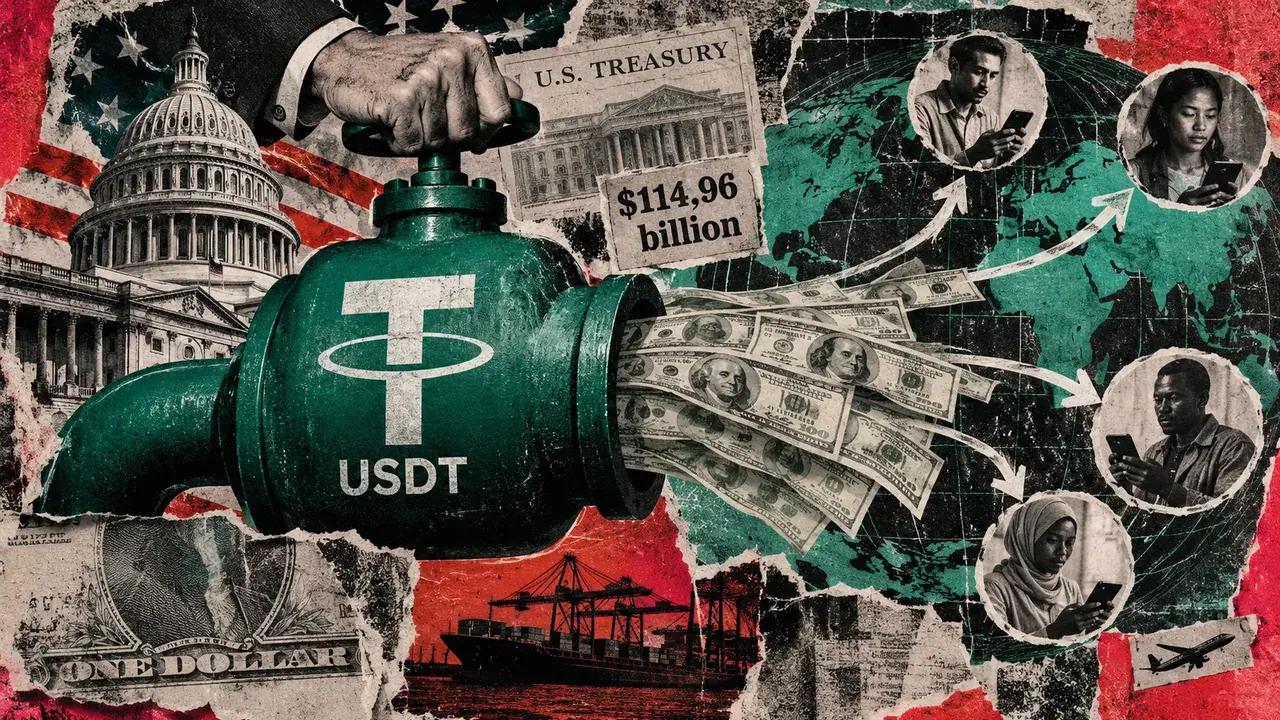
Washington has $114 billion reasons to want Tether around
Not that long ago, Washington fined Tether for misleading people about the dollars behind its tokens. Today, the company's insatia...

Circle Agent Marketplace Brings USDC Payments and Live Data Tools to Arc Blockchain
Key Takeaways: Circle Agent Marketplace now makes services available for AI agents on Arc. Agents have access to live web search,...

XRP News: Ripple’s Multi-Asset Payments Model Predates Resurfaced XRP Remarks
Ripple CEO Brad Garlinghouse said XRP may be the best bridge asset for some cross-border payments, while a stablecoin could solve...