Russia Uses Kyrgyz Crypto Hub to Evade Sanctions and Fund Ukraine War: TRM Labs
Russian entities are exploiting Kyrgyzstan’s crypto infrastructure to bypass international sanctions and procure dual-use goods for use in Ukraine. Key Takeaways: Russia is using Kyrgyzstan’s fast-growing crypto sector t...
Archive context
Older archive item. Useful for background and entity history, but not a fresh market-moving signal.

Russian entities are exploiting Kyrgyzstan’s crypto infrastructure to bypass international sanctions and procure dual-use goods for use in Ukraine.
Key Takeaways:
- Russia is using Kyrgyzstan’s fast-growing crypto sector to sidestep sanctions and acquire war-related goods.
- Kyrgyz-registered exchanges show ties to sanctioned entities and mimic the behavior of the banned Russian exchange Garantex.
- TRM Labs urges tighter regulations in Kyrgyzstan to curb abuse by shell companies and foreign actors.
Following the passage of Kyrgyzstan’s “On Virtual Assets” law in January 2022, just weeks before Russia’s full-scale invasion of Ukraine, the country has transformed into a burgeoning crypto hub.
The law introduced formal licensing and oversight for virtual asset service providers (VASPs), paving the way for a rapid influx of new firms and exchanges.
Kyrgyzstan’s Licensed Crypto Activity Surges to $4.2B in 2024By October 2024, 126 VASP licenses had been issued, and transaction volumes had surged from $59 million in 2022 to $4.2 billion in the first seven months of 2024 alone, according to a new report by blockchain intelligence firm TRM Labs.
However, that boom has opened the door to abuse. According to TRM Labs, numerous Kyrgyz-registered exchanges appear to serve as shell entities, with multiple firms reusing the same addresses, contact information, and founders.
These entities have been linked to transactions involving sanctioned Russian groups, including the Rusich paramilitary organization, which has fought alongside Wagner Group forces in Ukraine.
TRM also highlighted parallels between these Kyrgyz-based platforms and the sanctioned Russian exchange Garantex.
After Garantex was disrupted by law enforcement in March 2025, new entities like Grinex and Meer, both registered in Kyrgyzstan, exhibited similar transaction patterns and behavior.
Grinex, which began facilitating withdrawals using a Russian stablecoin called A7A5 shortly after the Garantex takedown, was registered within weeks of A7A5 issuer Old Vector, further suggesting coordination.
https://twitter.com/trmlabs/status/1948046770811940931Kyrgyzstan’s crypto growth coincides with a surge in bilateral economic activity.
Russian investment in Kyrgyzstan jumped by 23% in early 2024, and trade between the two nations hit $3.5 billion last year.
Analysts say that Kyrgyzstan has become a key transshipment point for dual-use goods. Chinese exports of dual-use items to Kyrgyzstan and Kazakhstan rose by 64% from 2022 to 2023, totaling $1.3 billion.
The findings raise urgent questions about Kyrgyzstan’s role in Russia’s sanctions evasion efforts.
While TRM notes that Kyrgyz law currently allows foreign nationals to register VASPs remotely, it recommends reforms including stricter transparency rules and physical residency requirements to stem illicit activity.
Russia Explores Using Crypto for Grain Export PaymentsLast month, the Russian Agricultural Bank (RusAg) said it is working with the Bank of Russia to evaluate digital asset-based payment solutions for grain exports.
Irina Zhachkina, RusAg’s First Deputy CEO, described cryptocurrencies as a “convenient alternative instrument” for cross-border payments, especially as sanctions continue to limit Russia’s access to traditional financial systems.
More recently, Russia’s central bank announced that it is allowing qualified investors limited access to crypto-linked financial products.
Under the new guidance, banks and financial firms can offer derivatives and securities tied to cryptocurrency prices, though these products must be non-deliverable and settled in fiat.
The post Russia Uses Kyrgyz Crypto Hub to Evade Sanctions and Fund Ukraine War: TRM Labs appeared first on Cryptonews.
Why this matters
This security story adds another data point to the current market tape and is useful when read alongside nearby source coverage.
Original source
Read on CryptonewsRelated market context
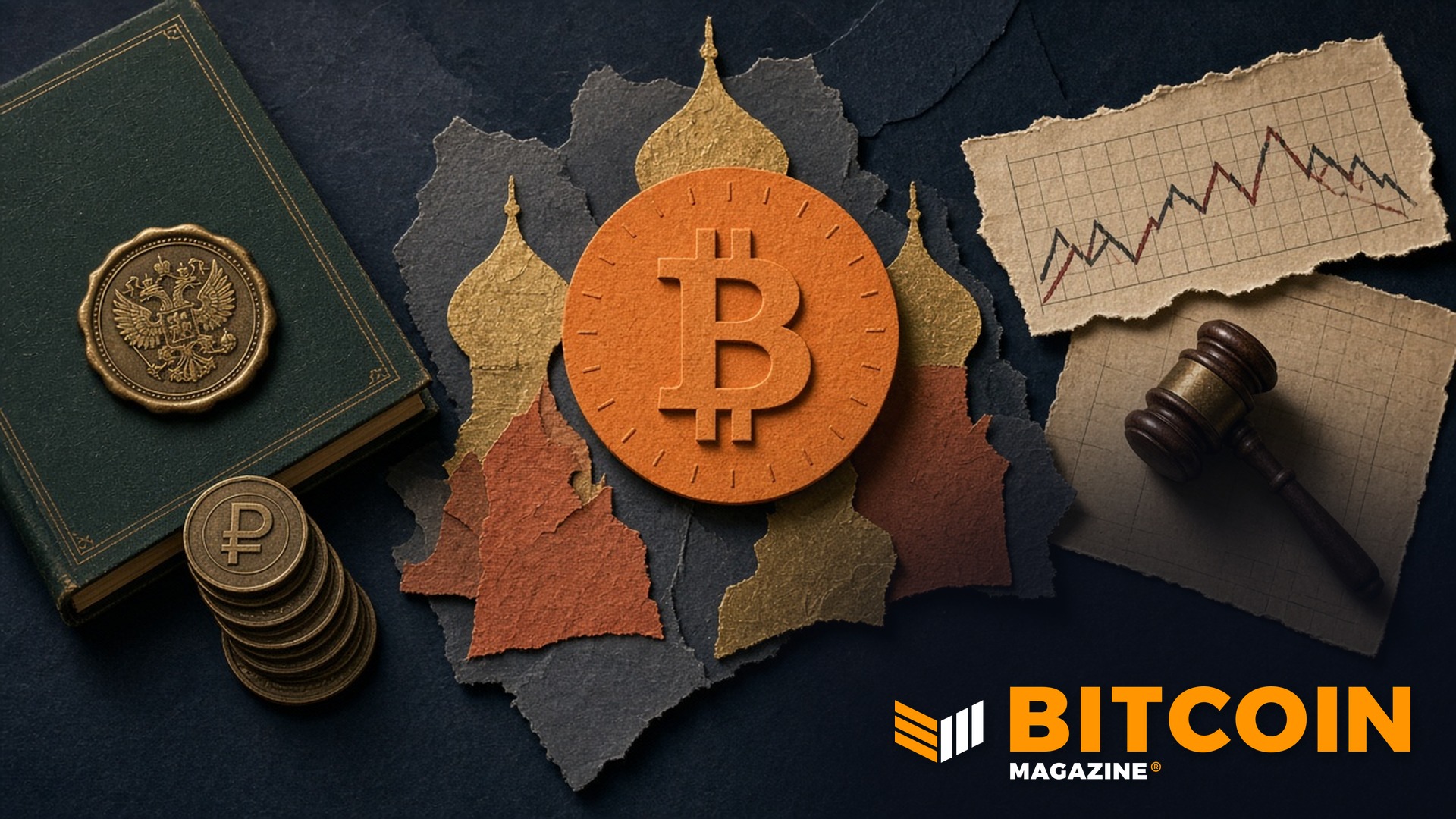
Russia’s Central Bank Clears Exchange to Open Bitcoin and Crypto Trading on Nov. 22
Bitcoin Magazine Russia’s Central Bank Clears Exchange to Open Bitcoin and Crypto Trading on Nov. 22 The Bank of Russia said Wedne...

Russian exchanges could launch crypto trading as soon as November 22
Russia's crypto trading framework could integrate digital assets into the formal financial system, impacting investor access and m...
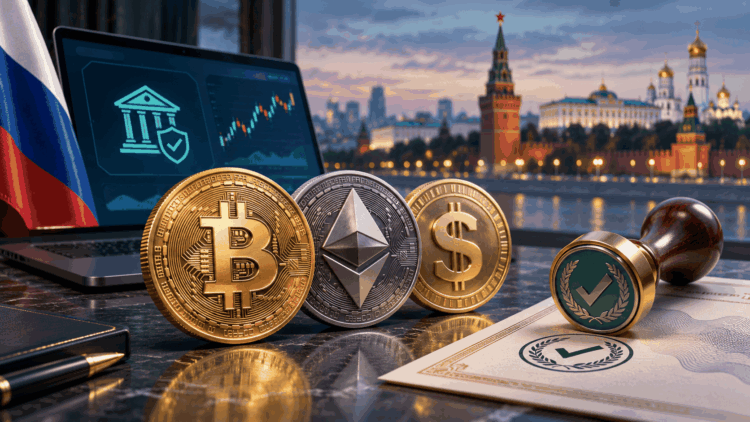
Russia Sets November 22 Start for Exchange Crypto Trading, Subject to Approval
TL;DR: Russian exchanges may begin cryptocurrency trading from November 22 if their trading rules receive the Bank of Russia’s con...
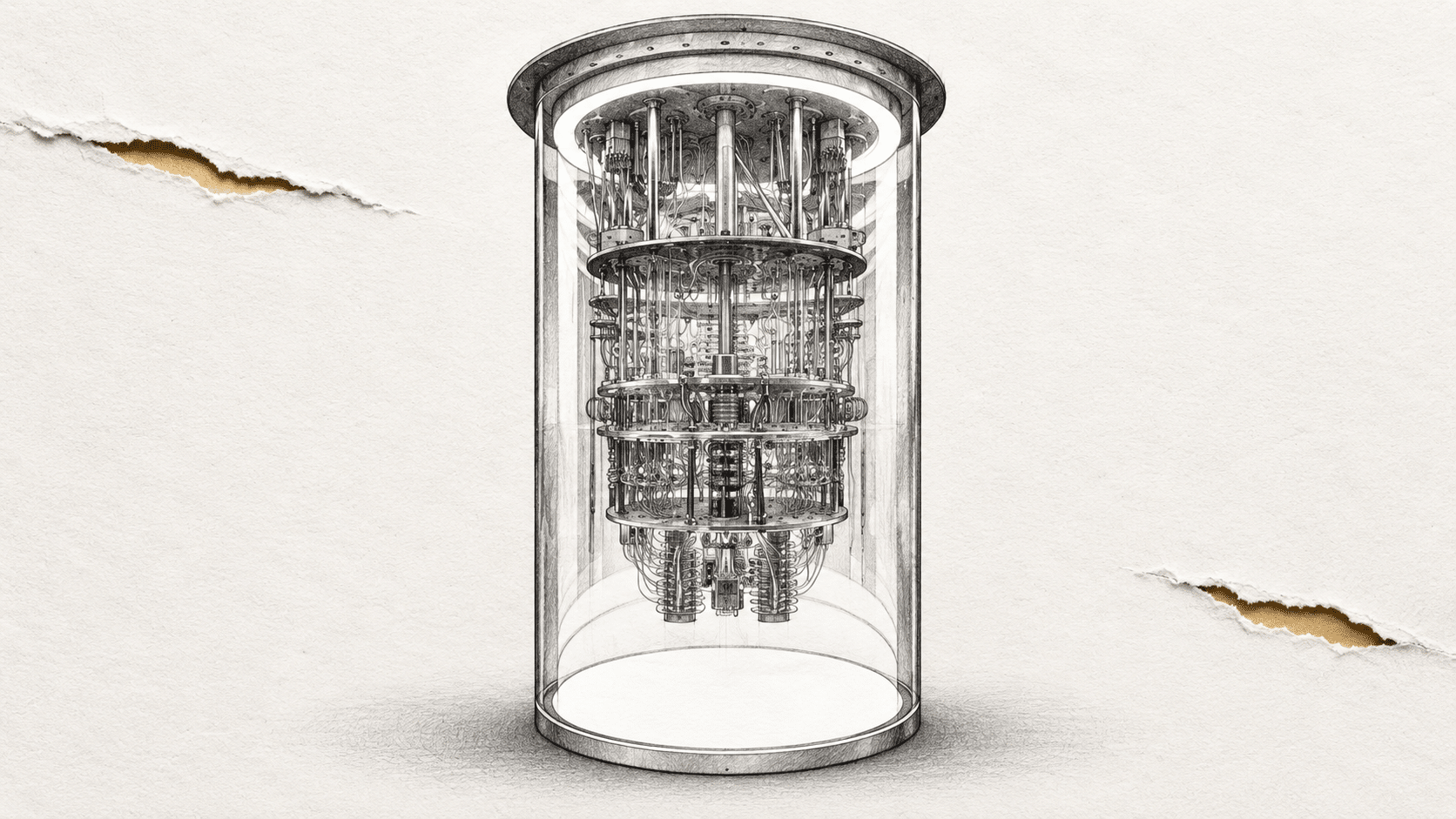
Ethlabs Wants Ethereum Quantum and AI Ready by 2027, Drops Its Faster Blocks Push
Ethlabs, the nonprofit Ethereum research lab founded by former Ethereum Foundation (EF) researchers, wants the network’s core deve...
Uttar Pradesh police are using Cardano to protect forensic evidence
The integration of blockchain in forensic evidence handling could revolutionize legal systems by enhancing transparency and accoun...
Ethlabs Calls for Ethereum Quantum Protection in 2027 as Upgrade Priorities Shift
TL;DR: Ethlabs proposes quantum readiness in 2027 and plans to withdraw its quick-slots work from Hegotá. Developers still need to...