Russia’s Sberbank Eyes Major Crypto Role with Surprise Custody Move Amid Sanctions Shift
Key Takeaways: Sberbank is entering the crypto market by offering custody services for digital assets in Russia. Russia is increasingly embracing crypto for international trade as a response to Western sanctions. Legal f...
Archive context
Older archive item. Useful for background and entity history, but not a fresh market-moving signal.
Key Takeaways:
- Sberbank is entering the crypto market by offering custody services for digital assets in Russia.
- Russia is increasingly embracing crypto for international trade as a response to Western sanctions.
- Legal frameworks are evolving to support institutional crypto use, signaling a shift in national financial strategy.
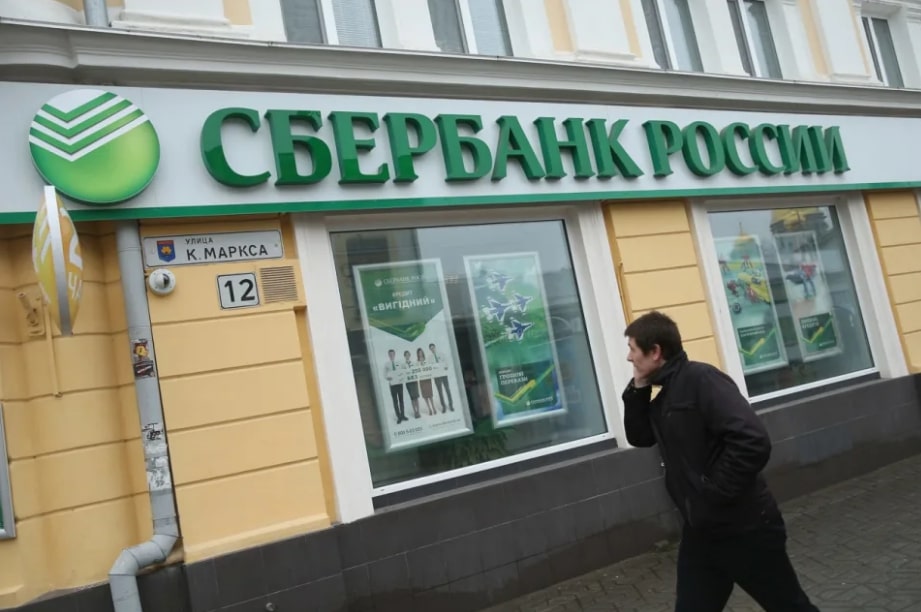
Russia’s largest bank, Sberbank, has taken a bold step by announcing its plan to offer custody services for digital assets, a move that cements its growing role in the country’s pivot toward blockchain and cryptocurrency. This announcement reflects how crypto is no longer just tolerated but actively pursued as a financial tool in Russia’s evolving economic landscape.
Read More: Russia’s Largest Bank Bets Big: Launch of Bitcoin-Tied Bonds Signals Major Crypto Shift
Sberbank’s Crypto Custody Plan: A New Financial FrontierSberbank, a state-controlled banking giant, confirmed it is preparing to offer custodial infrastructure for cryptocurrency holdings, a service that would allow institutions and high-net-worth individuals to securely store their digital assets. The proposal will also most likely have safeguards like asset freeze in a situation where there is suspicion of illegal activity and this matches norms found in other conventional banking compliance frameworks.
The decision by the bank ushers at a period when Russia is undertaking an aggressive process of restructuring its financial system with the aim of lessening its reliance to the U.S. dollar and western banking network. Since the year 2022, the economic sanctions imposed on the Russian nation have compelled the government to focus on alternative platforms such as blockchain in order to continue the international economic activities.
Sberbank’s proposal is still in the regulatory discussion stage but could roll out within months, according to local sources familiar with the matter. This could position the bank as a central pillar in Russia’s digital asset ecosystem, complementing efforts already underway to build a state-backed crypto exchange.
From Opposition to Controlled Integration Central Bank’s Changing StanceThe Russian central bank which was famous by its firm opposition to cryptocurrencies, has been lately lenient granting the use of cryptocurrencies in cross-border trade over the businesses. This has been established through a law enacted in 2023, and it has created an opportunity through which businesses exchange contracts in digital currencies once they engage in business with foreign entities.
This policy change will not promote the use of crypto in the everyday lives of the retail consumers. The government instead aims at using digital assets to evade the Western sanctions, particularly, those hitting the use of SWIFT and correspondent banking services.
The central bank’s evolving approach includes support for pilot programs, such as the digital ruble and tokenized assets, while still maintaining strict control over domestic crypto circulation. The goal is a “sandbox model” where innovation is permitted under heavy oversight—a stance that makes custodial services by trusted state banks like Sberbank particularly valuable.
Strategic Response to Sanctions: Crypto as Economic Armor Digital Assets as Tools for Trade ResilienceWith Russia facing its most extensive package of financial sanctions in modern history, crypto has emerged as a strategic workaround. By enabling peer-to-peer international settlements and bypassing dollar-clearing networks, blockchain offers a way for sanctioned entities to conduct trade without intermediaries controlled by Western powers.
Sberbank’s move into crypto custody is part of this broader strategy. Institutional traders and exporters are turning more and more to tokenized assets, stablecoins, even top cryptocurrencies like Bitcoin and Ethereum as an alternative settlement in trade deals. Those transactions are only possible due strong custody solutions, particularly when the regulatory landscape is still fragmented.
Read More: Crypto Executive Behind $530M Scandal: Russian Ties, Sanctions Evasion & 22 Criminal Charges
Sberbank’s Broader Blockchain Push From Digital Bonds to Institutional InfrastructureSberbank’s entry into custody is not a bolt from the blue. The bank has been playing with blockchain since at least 2020 when it launched its own decentralized finance (DeFi) platform and announced plans to tokenize a range of financial assets.
Earlier this year, Sberbank also generated headlines announcing a Bitcoin-linked bond; this one is traded over the counter. The bank also indicated that it may list the asset on local exchanges in the near future, the latest indication of a willingness to integrate crypto throughout the broader financial system.
In addition to custody, insiders think Sberbank is considering staking services, token offerings and on-chain settlements – potentially offering Russian institutions a full suite of compliant digital finance tools, without having to go to international providers.
Russia’s State-Backed Crypto Exchange: An Emerging Power HubAlongside Sberbank’s efforts, the Russian government is working to launch a centralized digital asset trading platform. This state-backed exchange is expected to cater to:
- Accredited investors
- Institutional players
- Exporters managing cross-border settlements
The platform will function under firm legal guidelines, with transaction tracking, proof-of-identity and state monitoring. It will probably steer clear of involving retail, at least initially, continuing to draw a hard line between strategic use of cryptos and public speculation.
This two-track approach, which allows capital to flow across borders for use in China but restricts access to that freedom for ordinary people, is part of a national strategy that successfully marries innovation to tight control.
The post Russia’s Sberbank Eyes Major Crypto Role with Surprise Custody Move Amid Sanctions Shift appeared first on CryptoNinjas.
Why this matters
This security story adds another data point to the current market tape and is useful when read alongside nearby source coverage.
Original source
Read on CryptoNinjasRelated market context
Discover How 20 Million Russians Tap Into Over $43B in Cryptocurrency
Deputy Finance Minister Ivan Chebeskov has estimated that 20 million Russians have invested 3.7 trillion rubles (nearly $44 trilli...
Bitget freezes XRP withdrawals as 27M stolen tokens move
Bitget’s XRP withdrawal route was still disabled on Sept. 26, even as the exchange set Oct. 2 at 08:00 UTC for the last phase of i...
Washington has $114 billion reasons to want Tether around
Not that long ago, Washington fined Tether for misleading people about the dollars behind its tokens. Today, the company's insatia...

Quant Crypto Blasts 3x in a Week Following Huge US Bank Deal
Quant crypto has exploded roughly +178% over the last seven days, including an extraordinary +72% daily surge. Quant is quickly be...
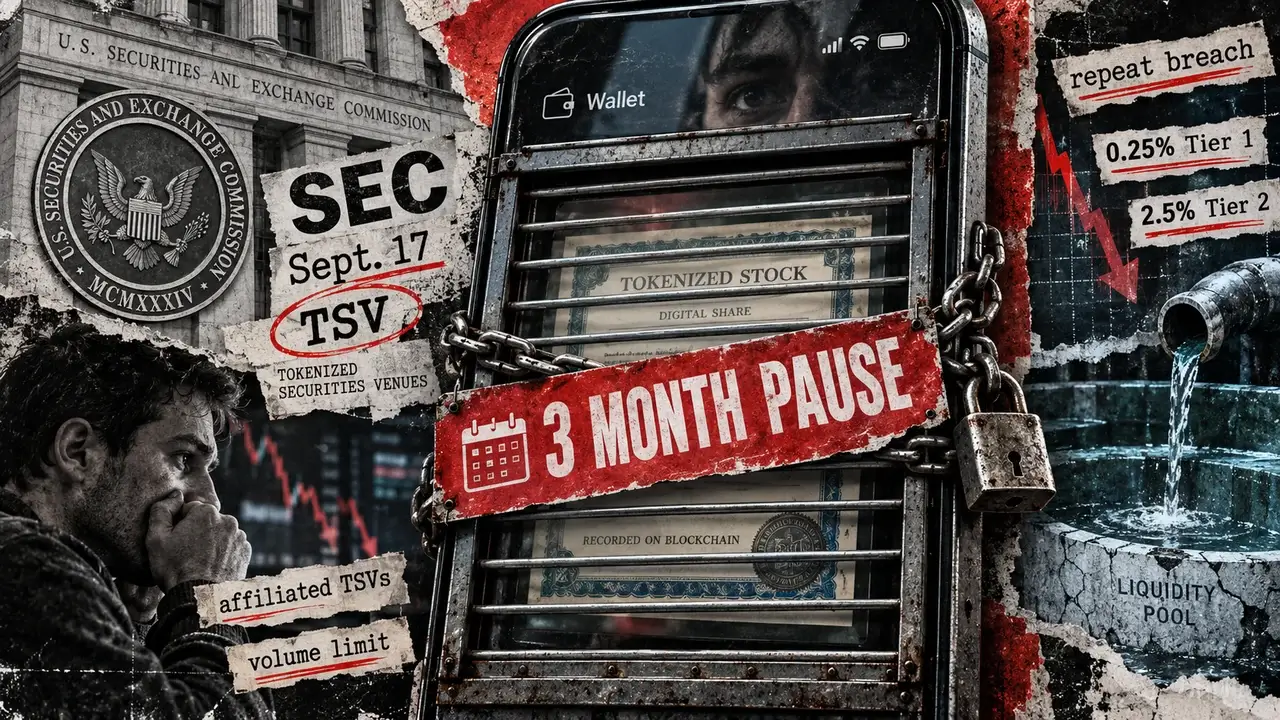
Why your tokenized stock could stop trading for three months
Buying a tokenized stock sounds as though it should be simple. You pick a company you know, buy a token representing its shares, a...

IBM Connects Banks To Swift’s Blockchain Ledger For Tokenized Deposits
IBM Digital Asset Haven can now connect financial institutions to Swift’s blockchain-based shared ledger through a beta integratio...