Sanctions Against Russia Pose A Conundrum For Bitcoin
Bitcoin is a free and open monetary network, accessible by anyone — which makes sanctions quite ineffective.Almost half of Russia’s $630 billion reserves have been seized by foreign governments since the invasion of Ukra...
Archive context
Older archive item. Useful for background and entity history, but not a fresh market-moving signal.
Bitcoin is a free and open monetary network, accessible by anyone — which makes sanctions quite ineffective.
Almost half of Russia’s $630 billion reserves have been seized by foreign governments since the invasion of Ukraine. It was relatively easy to do given modern financial infrastructure.
The mainstream temptation is to react favorably to this move. Russia will be poorer and so less able to fund its war. The baddies lose, the goodies win.
Now consider the story of the Canadian truckers who have been criminalized by their own government for seemingly doing little more than protecting their right to work. Invoking emergency legislation, the Canadian government froze 210 bank accounts with deposits of C$7.8 million. And under pressure from the government, GoFundMe withheld C$10m in donations for the cause. The lesson — mess with the government, and we’ll steal your money.
A key tenet of Bitcoin is its unseizability. Anyone, anywhere can own bitcoin, and be confident it can’t be taken away. That means Canadian truckers and their supporters, but it means the Russian government and their supporters too. You can’t apply Bitcoin principles to one, and not the other.
In that sense, Bitcoin is a bit like free speech: you can’t cherry pick its merits. As soon as you decide some people are less worthy of free speech than others, you destroy the entire concept. As soon as you start to censor uncensorable money, a large reason for having it disappears.
Russia clearly didn’t anticipate its foreign reserves would be in scope for sanctions. If it had, it would have been buying up even more gold and Chinese renminbi. The next country thinking of irking Western powers will be sure to hold their reserves in currencies and assets that can’t be confiscated. Like bitcoin.
When the conflict in Ukraine began, the Bitcoin community was quick to circulate the narrative that Bitcoin made wars less likely. The logic is reasoned. Since the collapse of the gold standard, governments have been free to print as much money as they like, to fund whatever ambitions they have. No ambition is as costly as war, and no cause is easier to justify the need for more money. Indeed, financing the two World Wars and the Vietnam War all served to gradually kill the relationship between money supply and gold. The finite supply of bitcoin changes that. Governments can’t simply run the virtual printing machine to buy the weapons they need, so war becomes unfinanceable.
But the flip side of that argument is that the enemy who holds bitcoin can only be defeated on the battlefield. Not only are their bitcoin reserves protected from seizure; imposing trade sanctions is tricky because bitcoin transactions are hard to trace.
This is an uncomfortable conundrum for Bitcoin. It can protect citizens from tyrannical overreach, but it can also protect tyrants with designs on another nation’s citizens.
Until now, most of the advocacy for Bitcoin has focused on the liberty of the individual versus the state, because it is mainly individuals who have adopted it. As Bitcoin becomes better understood by the higher echelons of the global financial system, the case grows for governments to apportion some of their reserves to it. If and when that happens, expect bitcoin’s price (and Bitcoiners’ wealth) to go north very fast. What’s not to like?
The Bitcoin community risks confirmation bias by not thinking through the full implications. It would be naive to think there is only upside. They say Bitcoin changes people; that it is “F-you money” and with it you are no longer beholden to anyone. But what if the person, or the government, with bitcoin needs to be held down. What then?
This is a guest post by Dominic Collard. Opinions expressed are entirely their own and do not necessarily reflect those of BTC Inc or Bitcoin Magazine.
Why this matters
This security story adds another data point to the current market tape and is useful when read alongside nearby source coverage.
Original source
Read on Bitcoin MagazineRelated market context
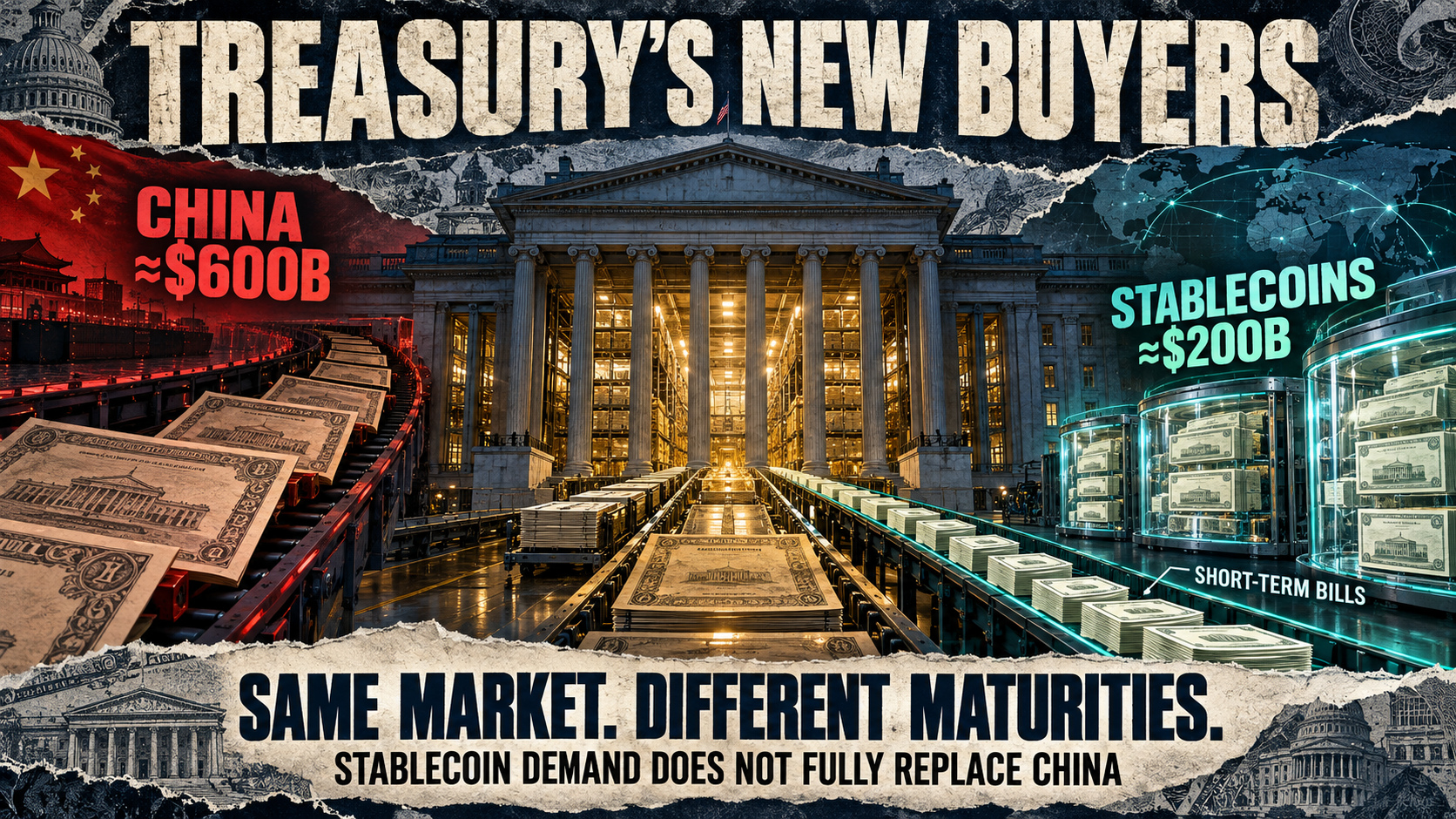
Stablecoin issuers have replaced 40% of China’s lost US Treasury demand
Stablecoin issuers are emerging as a new source of demand for US government debt as foreign official holdings lose ground. Tether...
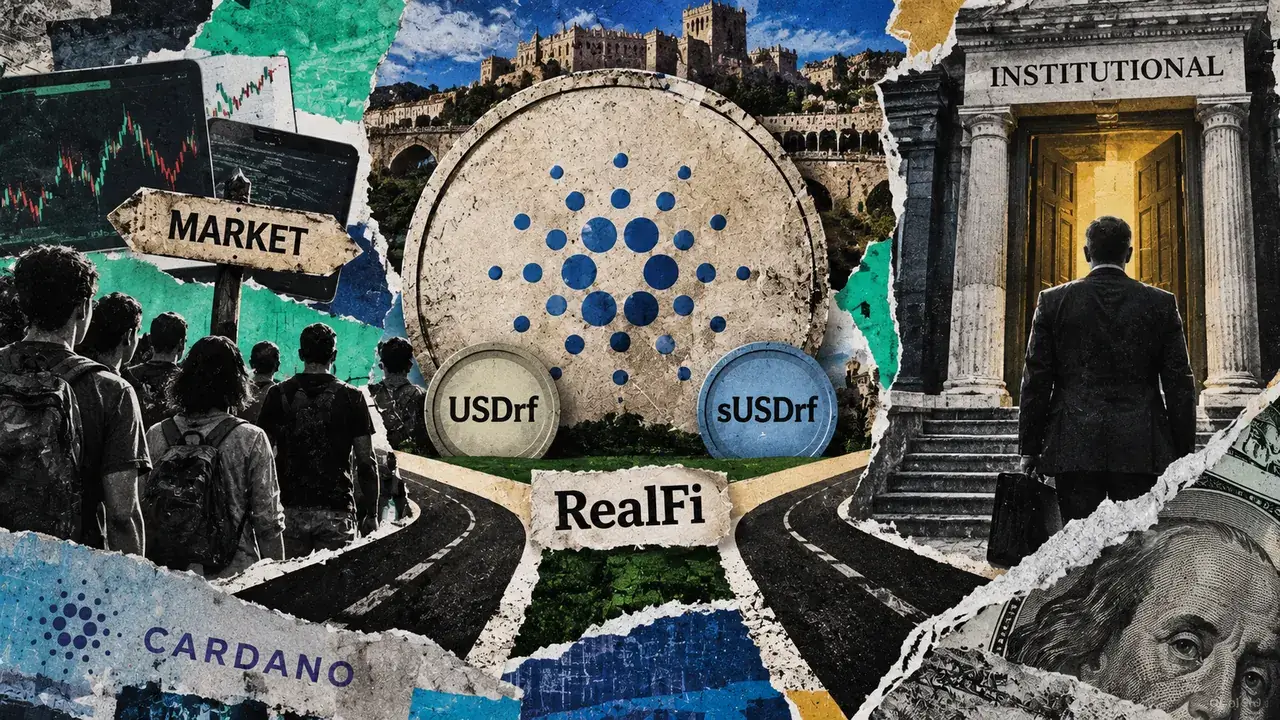
Cardano’s DeFi has shrunk by more than half and RealFi is betting credit can revive it
Cardano’s “bank the unbanked” push went live with RealFi, putting real-world credit behind a new dollar-token system. On Oct. 1, R...
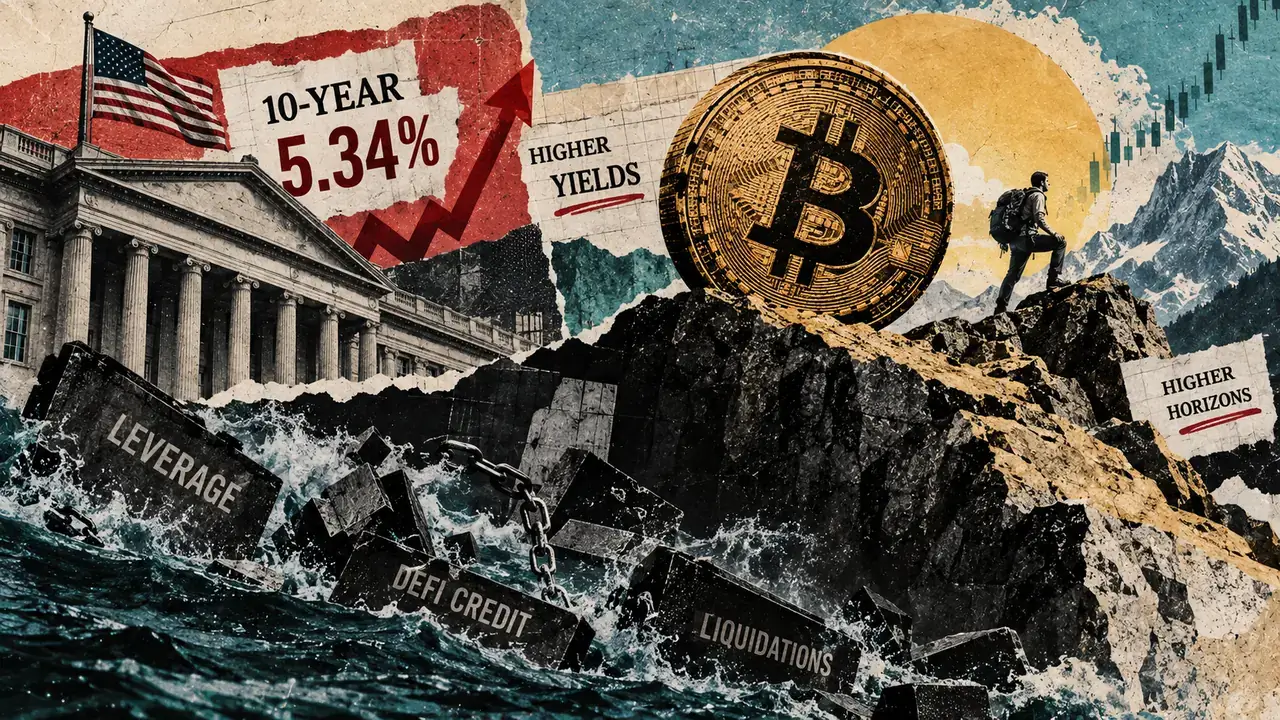
Bitcoin survived 5% yields but crypto’s cheap-money era did not
The US 10-year Treasury yield touched 5.34% on Oct. 1, its highest since 2002, capping a third quarter in which it climbed almost...
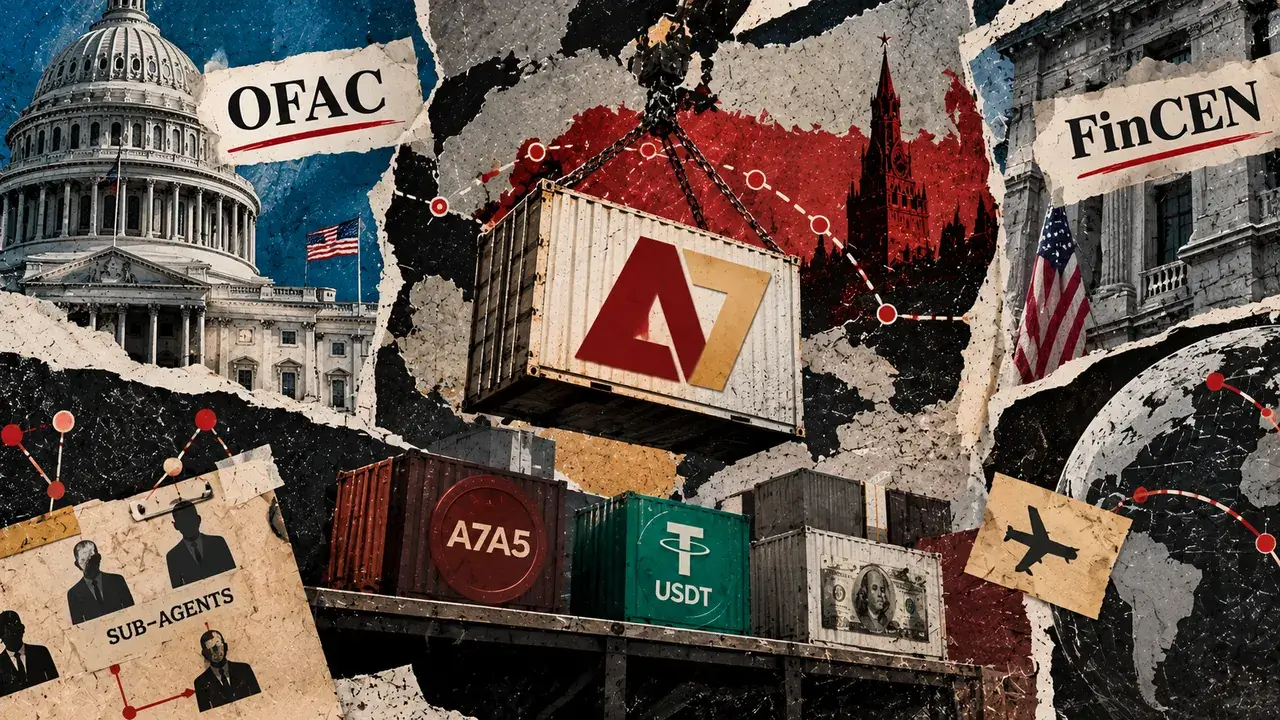
US targets $17 billion Russia-linked crypto payment network using USDT as an escape route
The US sanctioned the Russia-linked A7 Network and proposed new restrictions to cut its crypto intermediaries off from global mark...
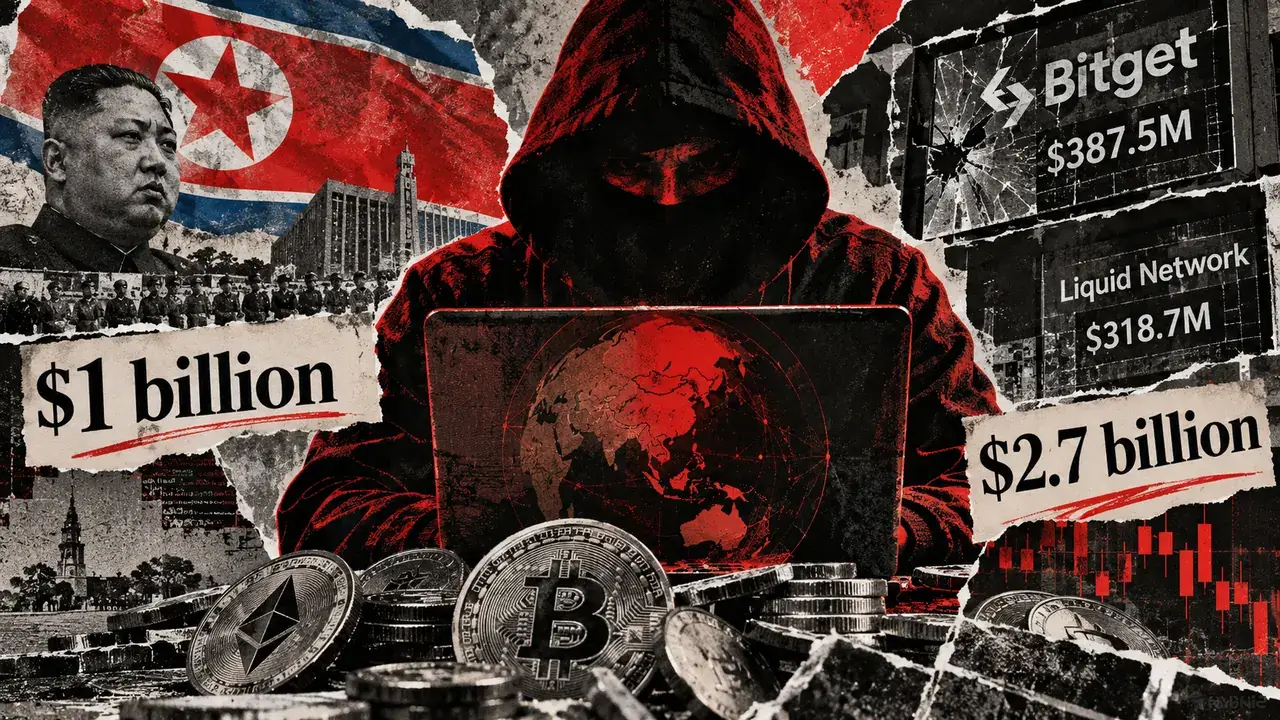
Crypto hackers have taken $2.7 billion in 2026 and the losses are alarmingly concentrated
Crypto firms and users have lost nearly $2.7 billion to security incidents this year, with North Korea-linked thefts exceeding $1...

Frank Holmes: They Will Print $100 Trillion – Why to Buy Bitcoin & Gold
Bitcoin Magazine Frank Holmes: They Will Print $100 Trillion – Why to Buy Bitcoin & Gold Bitcoin miners already have the power, th...