Sanctions May Not Affect Russia’s Access to Crypto, Reports Claim
As sanctions rain on Russia, following the Kremlin’s decision to invade Ukraine, media reports have suggested that they are unlikely to limit the country’s access to crypto assets. While the Russian elite may use them to...
Archive context
Older archive item. Useful for background and entity history, but not a fresh market-moving signal.
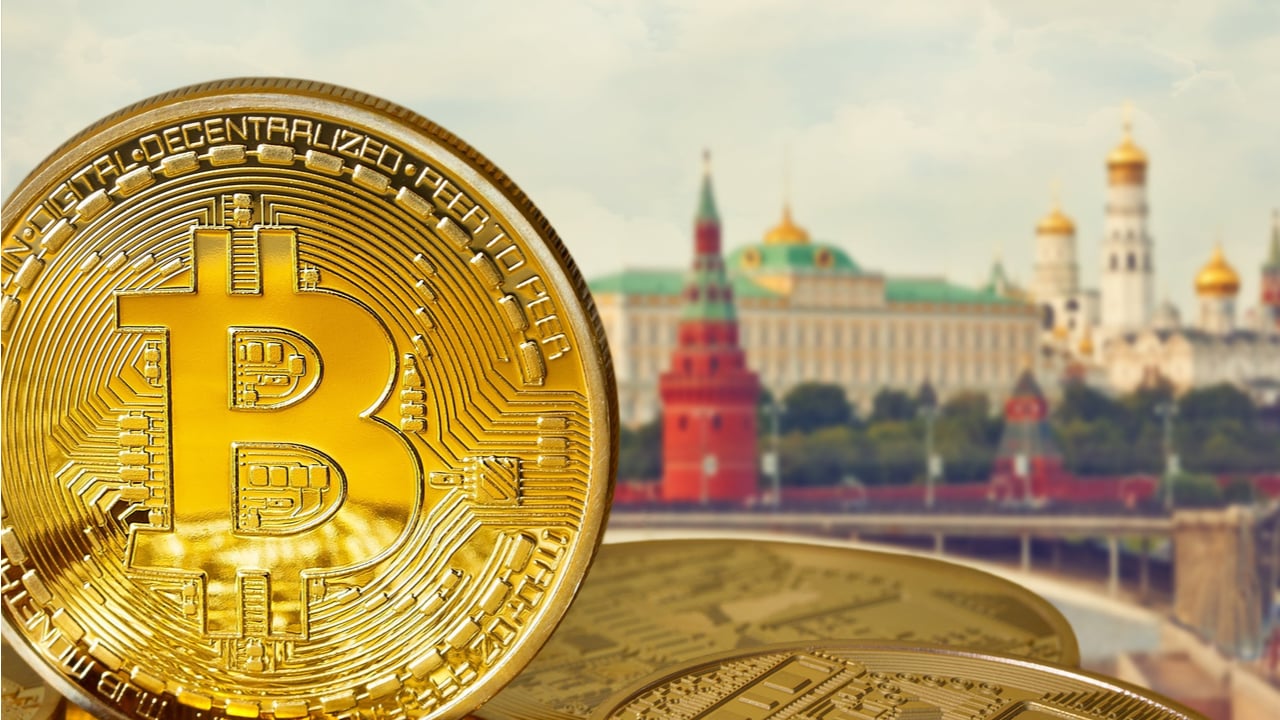
As sanctions rain on Russia, following the Kremlin’s decision to invade Ukraine, media reports have suggested that they are unlikely to limit the country’s access to crypto assets. While the Russian elite may use them to circumvent restrictions, ordinary Russians are also likely to keep trading digital coins on foreign platforms.
Cryptocurrencies Deemed Potential Tool for Russian Billionaires Bypassing SanctionsU.S. and EU sanctions, imposed in response to Moscow’s military assault on Ukraine, are threatening the ability of Russia, and its elites, to do businesses in dollars and euros. However, as the country has recently chosen a path towards regulating cryptocurrencies, the penalties might carry less weight, Bloomberg noted in a report.
Digital currencies such as bitcoin, often traded on decentralized platforms, could become an effective instrument to circumvent the restrictions. According to Matthew Sigel who heads digital assets research at investment manager Vaneck, “neither dictators nor human rights activists will encounter any censor on the Bitcoin network.”
Russian billionaires, those who have been targeted already, can potentially utilize cryptocurrency to evade the sanctions, the article remarks. Through anonymous transactions, digital coins can offer them opportunities to purchase goods and services and even invest in assets outside of the Russian Federation and avoid banks. Mati Greenspan, CEO of financial advisory firm Quantum Economics, said:
If a wealthy individual is concerned that their accounts may be frozen due to sanctions, they can simply hold their wealth in Bitcoin in order to be protected from such actions.
Besides the option to spend and send coins directly, crypto holders can also transfer funds through multiple wallets and use exchanges based in jurisdictions that are not backing the restrictions. The same applies to businesses in sanctioned nations. For example, Iran has been considering allowing the use of cryptocurrencies in international settlements for similar reasons.
Exchanges Are Not Denying Russians Access to Crypto, Russian Media SaysOne of the proposed measures is to cut Russia off from Swift, the global interbank payments system. According to Artem Deev, head of the analytical department at Amarkets, such a move is unlikely to affect individual cryptocurrency users. Commenting for RBC Crypto, he expressed his opinion that Russia’s regulatory decisions will have a bigger impact.
In another report, the news outlet quotes an unnamed representative of an international crypto exchange who said that the digital asset trading platforms were unlikely to impose restrictions on their Russian users as a result of the tightening sanctions against Russia. The source elaborated:
It will not affect individuals, it will be negative for businesses, especially for exporters and importers.
“Crypto exchanges are decentralized organizations, so they do not comply with the sanctions requirements of the United States and the European Union,” added Tatiana Kosykh, a lawyer at the Advocate Premium law firm.
Meanwhile, representatives of Currency.com, the crypto exchange founded by Belarusian tech entrepreneur Viktor Prokopenya, told RBC that the platform does not plan to ban customers from Russia or other countries, despite the current conflict in Ukraine. They believe that most other exchanges, except those based in the U.S., will follow the same route.
Do you think Russia and its citizens will maintain access to the global crypto market after the Russian military invasion of Ukraine? Share your expectations in the comments section below.
Why this matters
This security story adds another data point to the current market tape and is useful when read alongside nearby source coverage.
Original source
Read on Bitcoin NewsRelated market context
Bitcoin Hits $70,000 as Trump Pushes CLARITY Act, Hyperliquid Surges and $1.4 Billion in Shorts Get Wiped Out
By late trading, Bitcoin was changing hands around $69,200, up approximately 7% over 24 hours after starting the session near $64,...

Treasury’s New Stablecoin Rule Could Force US Exchanges to Delist Tether
Austin Campbell, founder of Zero Knowledge Group, said on the Bits + Bips podcast that Treasury’s newly proposed rules for the GEN...

Kraken Unlocks 7,000+ US Stocks for EEA Users, Bringing Crypto and Equities Together
Key Takeaways: Kraken added 7,000+ stocks from the USA to eligible EEA customers. A user can trade stocks or 700+ xStocks and 600+...

Coinbase Routes Base App Users to Hyperliquid's Perps. No US Access Yet
Base App was built around Coinbase's bet on crypto-native social features, but in reality, most users just need leverage. Coinbase...

Cantor Fitzgerald offers Wall Street access to Kalshi’s prediction markets
Institutional access to prediction markets could transform them into a mainstream asset class, enhancing liquidity and competitive...

Solana Identity shuts down services, will delete all user data by year-end
The shutdown of Solana Identity may disrupt Solana's identity ecosystem, prompting developers to seek alternative verification sol...