Saylor says onchain proof-of-reserves a ‘bad idea’ due to security risks
Michael Saylor, the executive chair of major Bitcoin-buying firm Strategy, formerly MicroStrategy, says institutions posting onchain proof-of-reserves is a “bad idea” that could pose security risks.“The current, conventi...
Archive context
Older archive item. Useful for background and entity history, but not a fresh market-moving signal.

Michael Saylor, the executive chair of major Bitcoin-buying firm Strategy, formerly MicroStrategy, says institutions posting onchain proof-of-reserves is a “bad idea” that could pose security risks.
“The current, conventional way to publish proof of reserves is an insecure proof of reserves,” Saylor said when asked about institutions adopting the transparency measure at a May 26 event on the sidelines of the Bitcoin 2025 conference in Las Vegas.
“It actually dilutes the security of the issuer, the custodians, the exchanges and the investors. It’s not a good idea, it’s a bad idea.”Saylor didn’t answer whether Strategy would publish its proof-of-reserves when asked by Blockware Solutions head analyst Mitchell Askew whether his firm would do so.
I asked @saylor if @MicroStrategy has any plans to publish on-chain proof of reserves
His answer will SHOCK you
“It’s a bad idea.”
- Security Risk
- Irrelevant without also having Big 4-audited liabilities
Check it out 👇 pic.twitter.com/tIxUckgbEp
Proof-of-reserves are common among crypto exchanges and verify that the company holds sufficient crypto reserves to cover customer deposits. They can also confirm that other entities, such as crypto-tracking exchange-traded funds, hold the required amount of crypto for the funds.
Saylor acknowledged the industry had learned from the collapses of crypto exchanges FTX and Mt. Gox, but said proof-of-reserves isn’t the correct measure to take for institutions.
“No institutional-grade or enterprise security analyst would think it’s a good idea to publish all of the wallet addresses, such that you could be traced back and forth.”“Go to AI, put it in deep think mode and then ask it ‘what are the security problems of publishing your wallet addresses?’ and ‘how might it undermine the security of your company over time,” Saylor said, adding it would write “50 pages of security problems.”
Proof-of-reserves increasingly adopted after FTX collapseMany crypto exchanges, custodians and exchange-traded fund issuers started publishing their proof-of-reserves following FTX’s collapse in November 2022 to establish transparency and prove that they hold enough assets to back customer deposits.
Related: Strategy bags 4,020 Bitcoin as price briefly breaks $110K
Crypto exchanges Binance, Kraken and OKX and crypto asset manager Bitwise are among the industry players that have adopted the transparency measure.
However, Saylor noted that proof-of-reserves often only show one side of the picture — what the company holds — and not what they owe.
Saylor’s Strategy is the world’s largest corporate Bitcoin holder, with 576,230 Bitcoin worth $62.6 billion on its balance sheet, followed by Bitcoin mining firm MARA Holdings, which holds 48,137 Bitcoin, according to BitcoinTreasuries.NET.
More than 110 publicly traded companies worldwide have purchased and hold Bitcoin.
Magazine: Danger signs for Bitcoin as retail abandons it to institutions: Sky Wee
Why this matters
This security story adds another data point to the current market tape and is useful when read alongside nearby source coverage.
Original source
Read on CointelegraphRelated market context
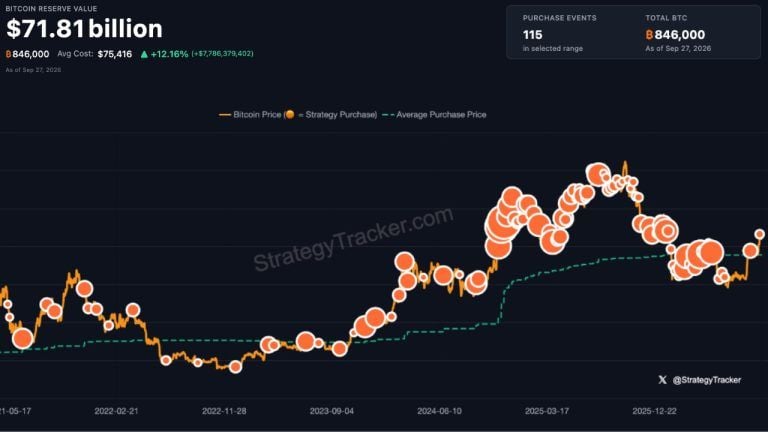
Even More Orange: Saylor Teases Another Strategy Bitcoin Buy
Michael Saylor’s “Even more orange” message has raised the prospect of another Strategy bitcoin purchase following the company’s r...

Strategy’s Michael Saylor proposes bill of digital rights for future economy
Saylor's digital rights proposal could democratize capital access, fostering innovation and competition by reducing reliance on tr...

Bitget Confirms $387.5 Million Security Breach as Revised On-Chain Accounting Reveals Wider Losses
Bitget raises breach losses to $387.5 million after Zcash and TRON transfers found. Attackers spoofed backend transaction data to...
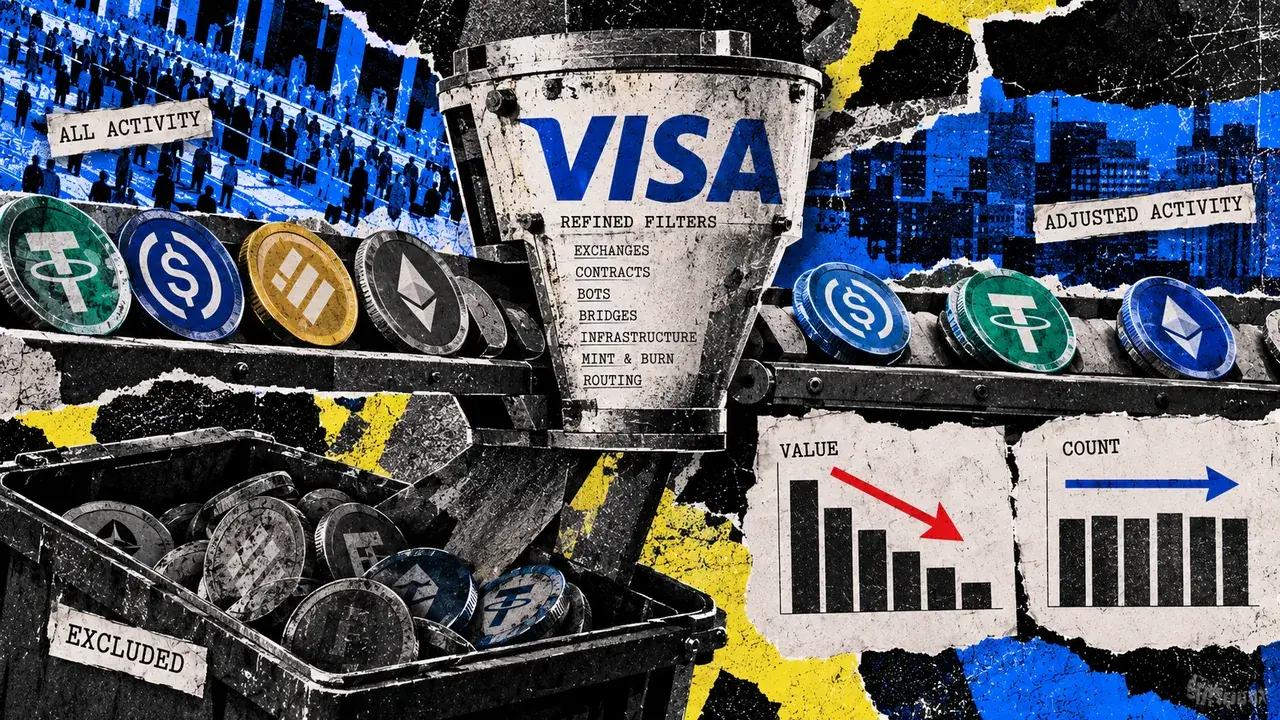
Visa cuts reported stablecoin volume but there’s no proof payments fell
Visa’s September 18 data refresh lowered its adjusted stablecoin volume measure, while its adjusted transaction count fell by less...
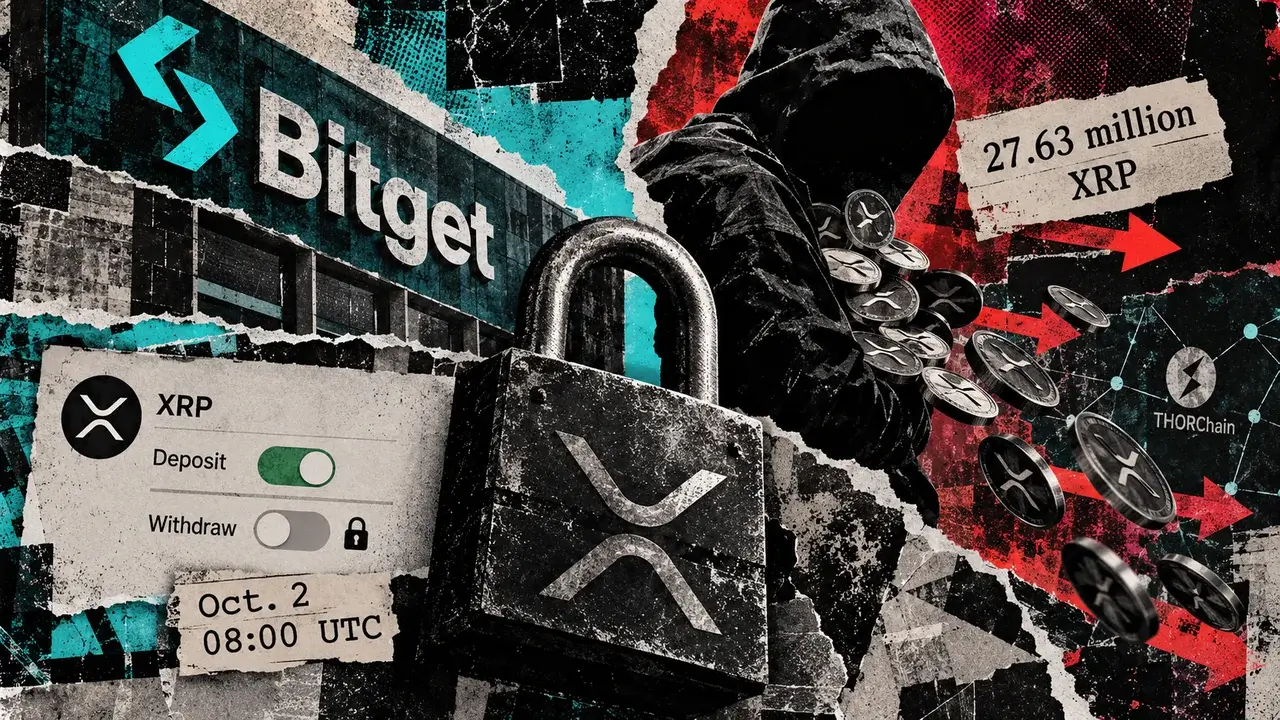
Bitget freezes XRP withdrawals as 27M stolen tokens move
Bitget’s XRP withdrawal route was still disabled on Sept. 26, even as the exchange set Oct. 2 at 08:00 UTC for the last phase of i...

XRP News: Ripple Takes Aim at SWIFT, Pantera CEO Says
Dan Morehead, founder and CEO of Pantera Capital, told CNBC News that Ripple is going after the cross-border payments turf long do...