Seoul Weighs Sanctions Shift as North Korea’s $3 Billion Crypto Theft Fuels Nuclear Ambitions
Key Takeaways: South Korea signals it may reconsider its sanctions policy on North Korea after the U.S. targets Pyongyang’s crypto-laundering network tied to weapons funding. North Korean hackers have allegedly stolen mo...
Archive context
Older archive item. Useful for background and entity history, but not a fresh market-moving signal.
Key Takeaways:
- South Korea signals it may reconsider its sanctions policy on North Korea after the U.S. targets Pyongyang’s crypto-laundering network tied to weapons funding.
- North Korean hackers have allegedly stolen more than $3 billion in cryptocurrency since 2022, using sophisticated laundering networks across China and Russia.
- Seoul stresses the need for close coordination with Washington to protect its digital ecosystem and national security.
South Korea is openly considering whether to revise its sanctions on North Korea following a sweeping U.S. crackdown on Pyongyang-linked crypto-laundering operations. The move highlights the growing intersection between cybersecurity, digital finance, and nuclear non-proliferation policy and signals that cryptocurrency theft is no longer just an economic crime, but a geopolitical threat.
Read More: South Korea Warns ETFs: Crypto Exposure Too High – Coinbase, MicroStrategy in the Crosshairs
U.S. Crackdown Exposes North Korea’s Expanding Crypto EmpireThe U.S. Treasury Department recently announced new sanctions on eight North Korean individuals and two state-linked entities for laundering stolen digital assets. Investigators say these networks moved billions of dollars in cryptocurrency obtained through ransomware attacks, decentralized finance exploits, and phishing scams. The money, they allege, directly supports Pyongyang’s nuclear and ballistic missile programs.
Some of the approved entities include the Korea Mangyongdae Computer Technology Company (KMCTC), which is a state-owned IT front and the Ryujong Credit Bank, which is suspected to have been handling wallets and offshore accounts that were used in concealing illegal revenue. A number of the authorized persons, among whom were U Yong Su, Jang Kuk Chol and Ho Jong Son are said to have been instrumental facilitators, who moved stolen assets via Russian and Chinese transactions in order to exchange them with fiat currency.
According to officials of the U.S., the operation is one of the biggest state-backed crypto-crime systems ever to be found. Ever since early 2024 alone, it is estimated that North Korea has stolen more than $2.84 billion dollars of digital assets, including significant hacks like the Bybit exchange breach. The cumulative amount since 2022 is estimated to be over $3 billion, which is enough to support the GDP of some small countries.
The Treasury’s statement described these cyberattacks as “a direct threat to the integrity of the global financial system,” warning that North Korea’s growing cyber capability is now as significant a national security risk as its missile arsenal.
Seoul’s Calculated Response: Open but CautiousSouth Korea’s Second Vice Foreign Minister Kim Ji-na said in a televised interview that Seoul remains open to reviewing its own sanctions “if really needed.” She emphasized that cooperation with Washington is vital because “cryptocurrency theft by Pyongyang can be used to fund its nuclear and missile programs and pose a threat to our digital ecosystem.”
While Kim did not announce any immediate policy shift, her remarks signal that Seoul is ready to act if U.S. intelligence identifies significant new evidence of crypto-enabled sanctions evasion. South Korea has long aligned with U.N. Security Council sanctions on North Korea, but this is one of the first times it has explicitly tied cybercrime to potential new penalties.
This position reflects growing domestic concern: South Korean exchanges and banks have become indirect victims of Pyongyang’s cyber campaigns, often through compromised overseas partners or deceptive IT workers posing as legitimate developers.
Read More: $14.5B in Stolen Bitcoin Exposed: Secret Heist From Chinese Mining Giant Finally Revealed
Why This Moment MattersThe new U.S. sanctions come amid heightened diplomatic coordination following the recent summit between President Lee Jae Myung and U.S. President Donald Trump. A joint fact sheet outlining cyber and defense cooperation is reportedly in the final stages of review.
Analysts say Seoul’s openness to adjusting its sanctions could represent a turning point in how governments respond to crypto-enabled state threats. Traditional financial tools have proven insufficient against anonymous blockchain transactions and decentralized laundering networks. North Korea’s success in exploiting these weaknesses has forced policymakers to rethink deterrence strategies in cyberspace.
According to South Korean cybersecurity experts, Pyongyang’s hackers are evolving beyond simple exchange hacks. They now run sophisticated “cyber-cartels” using a network of freelance IT workers in Southeast Asia and Eastern Europe. These workers, often unaware of their connection to North Korea, develop decentralized finance (DeFi) protocols, NFT projects, and blockchain games which later serve as money-laundering vehicles.
The post Seoul Weighs Sanctions Shift as North Korea’s $3 Billion Crypto Theft Fuels Nuclear Ambitions appeared first on CryptoNinjas.
Why this matters
This security story adds another data point to the current market tape and is useful when read alongside nearby source coverage.
Original source
Read on CryptoNinjasRelated market context

North Korean Hackers Linked to $388M Bitget Crypto Exchange Theft: CEO
Bitcoin Magazine North Korean Hackers Linked to $388M Bitget Crypto Exchange Theft: CEO Hackers from North Korea targeted crypto e...

Tokenized iShares MSCI South Korea ETF Arrives on StonkFun for Solana Coin Launches
Key Takeaways: StonkFun now supports coin launches paired with $EWY, the tokenized iShares MSCI South Korea ETF. Overall, the inte...
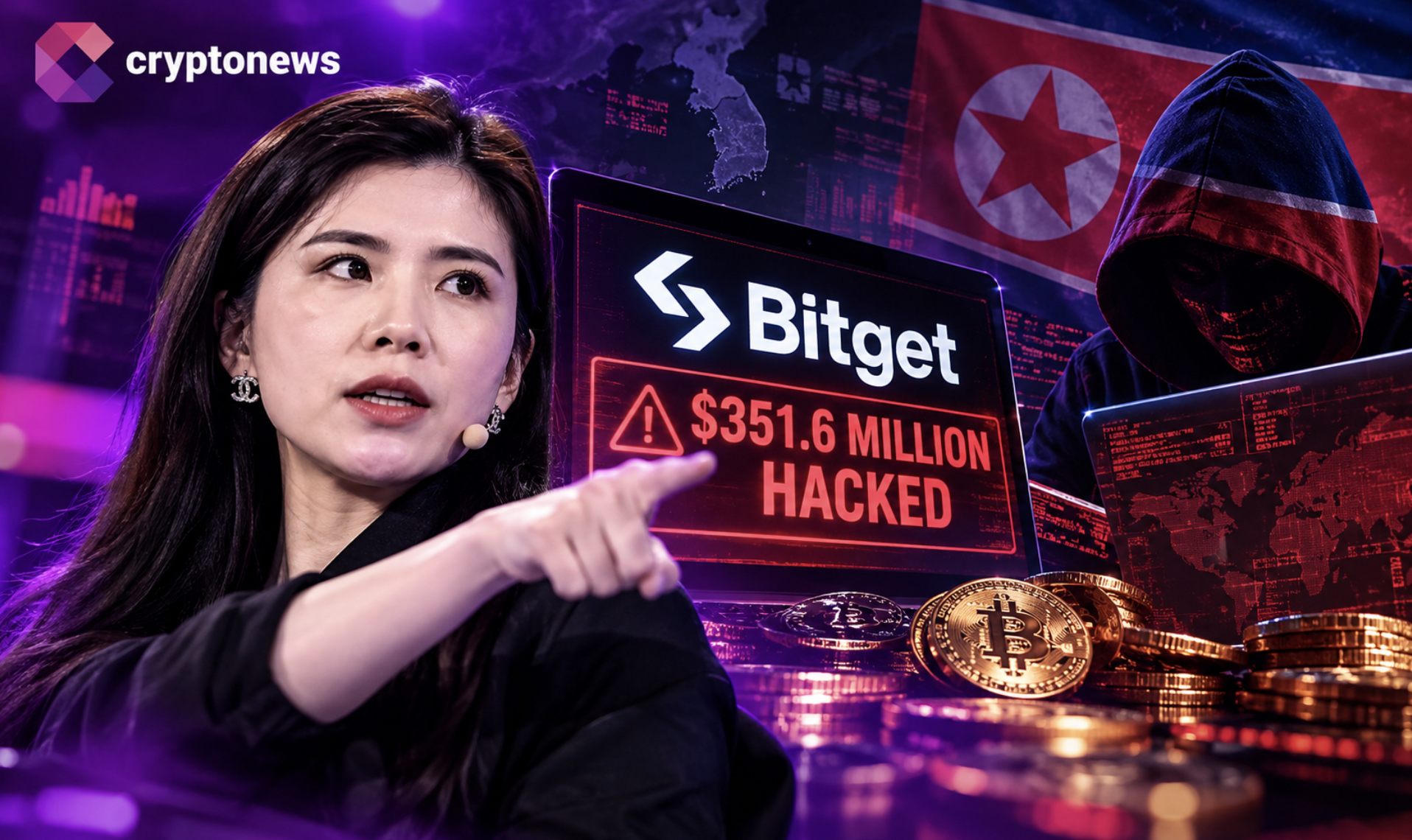
Bitget Wallet Hack Steals $351.6M: Gracy Chen Points Finger at North Korea
Bitget detected a hack involving $351.6 million in unauthorized transfers from parts of its wallet infrastructure and says its Use...
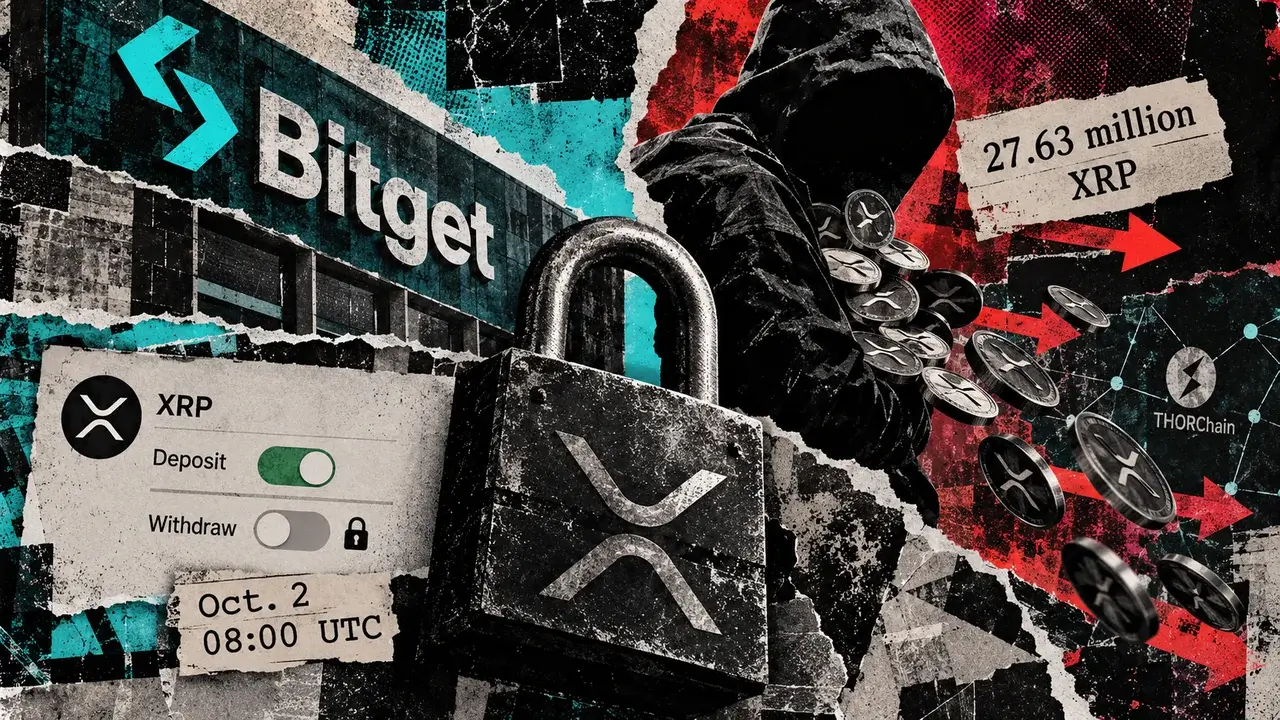
Bitget freezes XRP withdrawals as 27M stolen tokens move
Bitget’s XRP withdrawal route was still disabled on Sept. 26, even as the exchange set Oct. 2 at 08:00 UTC for the last phase of i...
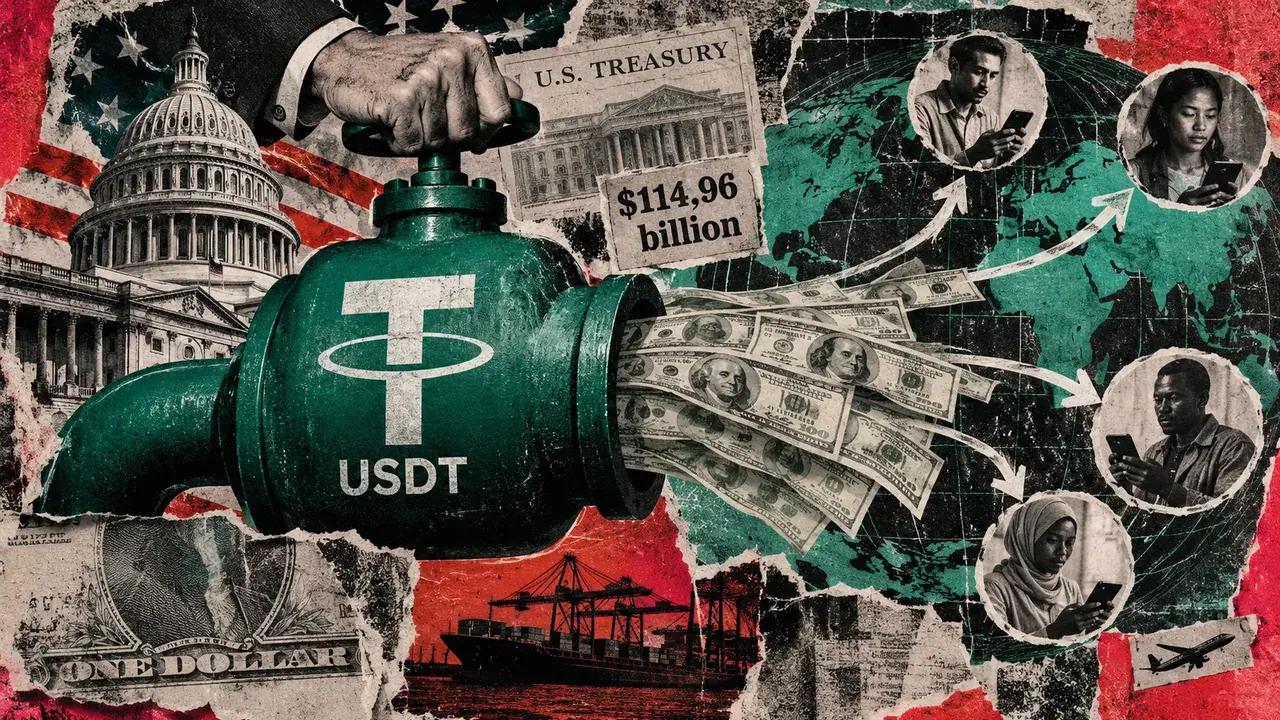
Washington has $114 billion reasons to want Tether around
Not that long ago, Washington fined Tether for misleading people about the dollars behind its tokens. Today, the company's insatia...
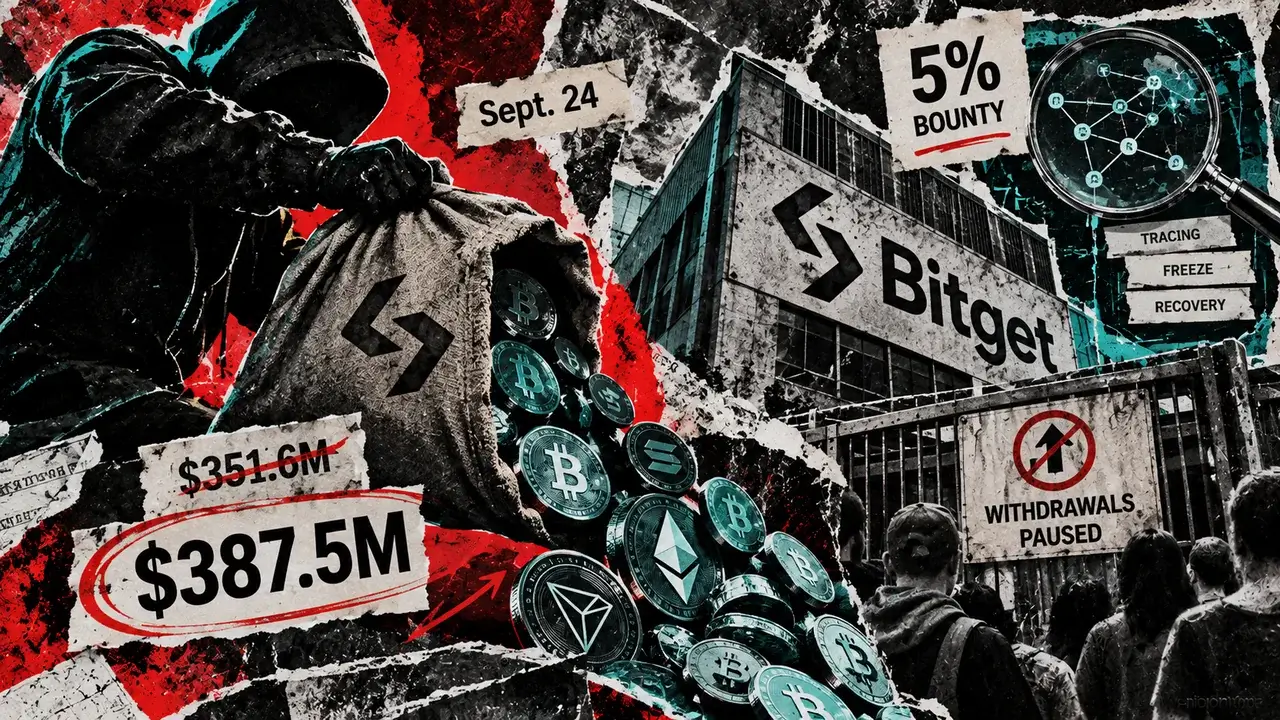
Bitget’s hack just got $36 million bigger, and now there’s a bounty on the stolen crypto
Bitget has raised the estimated value of assets taken in its Sept. 24 breach to $387.5 million as exchanges and security firms mob...