U.S. Appeals Court Overturns Tornado Cash Sanctions, Declares Software Beyond Treasury’s Reach
The three-judge panel’s ruling determined that Tornado Cash’s immutable smart contracts—self-executing lines of code enabling privacy for Ethereum transactions—do not qualify as “property” under the International Emergen...
Archive context
Older archive item. Useful for background and entity history, but not a fresh market-moving signal.

The three-judge panel’s ruling determined that Tornado Cash’s immutable smart contracts—self-executing lines of code enabling privacy for Ethereum transactions—do not qualify as “property” under the International Emergency Economic Powers Act (IEEPA). Judge Don Willett emphasized that federal law allows the Treasury to target property, not technology.
In its judgement, the court lamented the inability of legislative changes to keep up with the pace of change in the technology sector – a global problem that is especially marked in the United States given the lawmaking gridlock that has impacted successive US administrations. “Perhaps Congress will update the law, enacted during the Carter Administration, to target modern technologies like crypto-mixing software. Until then, we hold that Tornado Cash’s immutable smart contracts…are not the ‘property’ of a foreign national or entity,” Willett stated.
OFAC’s Sanctions ‘Overstepped’ Legal BoundsThe Office of Foreign Assets Control (OFAC) sanctioned Tornado Cash in August 2022, citing its use in laundering over $7 billion in cryptocurrency, including $455 million linked to North Korea’s Lazarus Group. However, the court concluded that the sanctions unlawfully targeted open-source software rather than individuals or entities misusing it.
The plaintiffs, six Tornado Cash users backed by Coinbase, claimed that the platform’s smart contracts could not be owned or managed and hence should not have been listed as a Specially Designated National (SDN). The court agreed with the plaintiffs, ruling that OFAC’s activities violated its powers under the IEEPA.
Bill Hughes, senior counsel at Consensys, remarked, “These smart contracts are not ownable and therefore cannot be blocked under federal law.”
Federal appeals court’s ruling on immutable smart contracts. Source: Assets/bxbx
The decision is celebrated as a milestone for privacy rights within the cryptocurrency sector. Coinbase’s Chief Legal Officer Paul Grewal called it a “historic win for crypto and liberty.” He added, “This victory reaffirms that courts will defend the rights of individuals using open-source tools responsibly.”
Brian Armstrong, CEO of Coinbase, also praised the ruling, asserting that the Treasury’s sanctions had “exceeded its authority” by targeting software rather than its misuse.
Tornado Cash Token TORN SurgesTornado Cash (TORN) price chart. Source: Brave New Coin Tornado cash market cap
Following the landmark decision, Tornado Cash’s governance token, TORN, enjoyed a massive spike, demonstrating market confidence. The token began trading at around $3.6 before rising to a two-year high of nearly $35, signifying a rise of approximately 870%. According to Brave New Coin data, it had stabilized around $16.7 by Wednesday morning.
The recent price surge reflects the market’s reaction to the Fifth Circuit Court’s judgment, which many see as a watershed event for the cryptocurrency industry as a whole. Despite TORN’s controversial history, researchers believe the verdict will increase investor confidence in blockchain-based privacy tools.
Continued ChallengesRegulatory scrutiny around Tornado Cash persists even after the legal victory. The court acknowledged that the sanctions did not entirely block access to the service, which remains operational and accessible to anyone with an internet connection.
“This ruling only applies to the smart contracts,” Hughes clarified. “Other components of Tornado Cash’s operations could still face legal challenges.”
The Treasury Department has yet to indicate whether it would appeal the ruling. Meanwhile, the case shows persistent difficulties between regulators and the cryptocurrency industry, as governments struggle to balance privacy rights and anti-crime efforts.
Why this matters
This security story adds another data point to the current market tape and is useful when read alongside nearby source coverage.
Original source
Read on Brave New CoinRelated market context
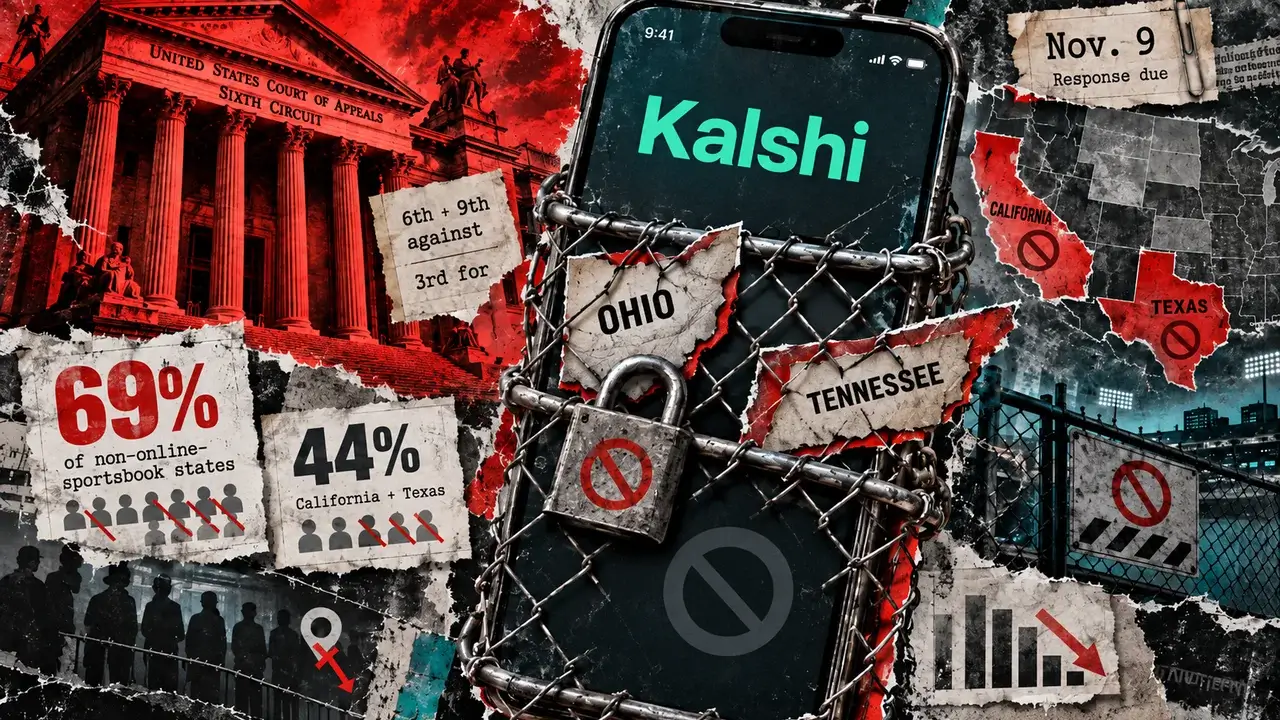
Kalshi must lock out state users after major court loss
The Sixth Circuit ruled Sept. 25 that Ohio and Tennessee can apply their gambling laws to Kalshi's sports contracts. The court rej...

Kalshi Loses Again as Sixth Circuit Says States Can Police Its Sports Contracts
Prediction markets like Kalshi have argued that because the Commodity Futures Trading Commission regulates their exchanges, state...

New York Sues Polymarket Over Alleged Illegal Gambling Operation
New York Attorney General Letitia James and Governor Kathy Hochul have announced a lawsuit against Polymarket US. The state allege...

Bitcoin could soon get Zcash-style 'shielded' privacy without changing its rules
Researchers have mapped out private bitcoin-denominated transfers that run alongside Bitcoin, but the system still lacks a finishe...
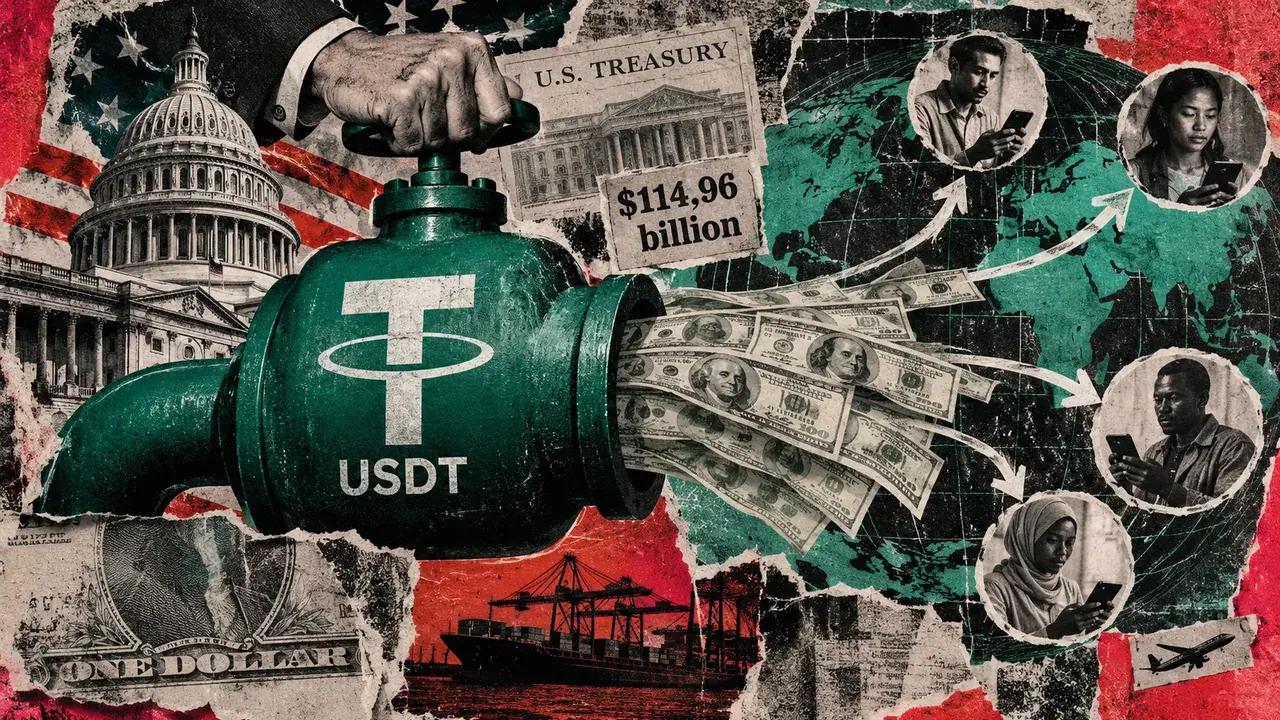
Washington has $114 billion reasons to want Tether around
Not that long ago, Washington fined Tether for misleading people about the dollars behind its tokens. Today, the company's insatia...
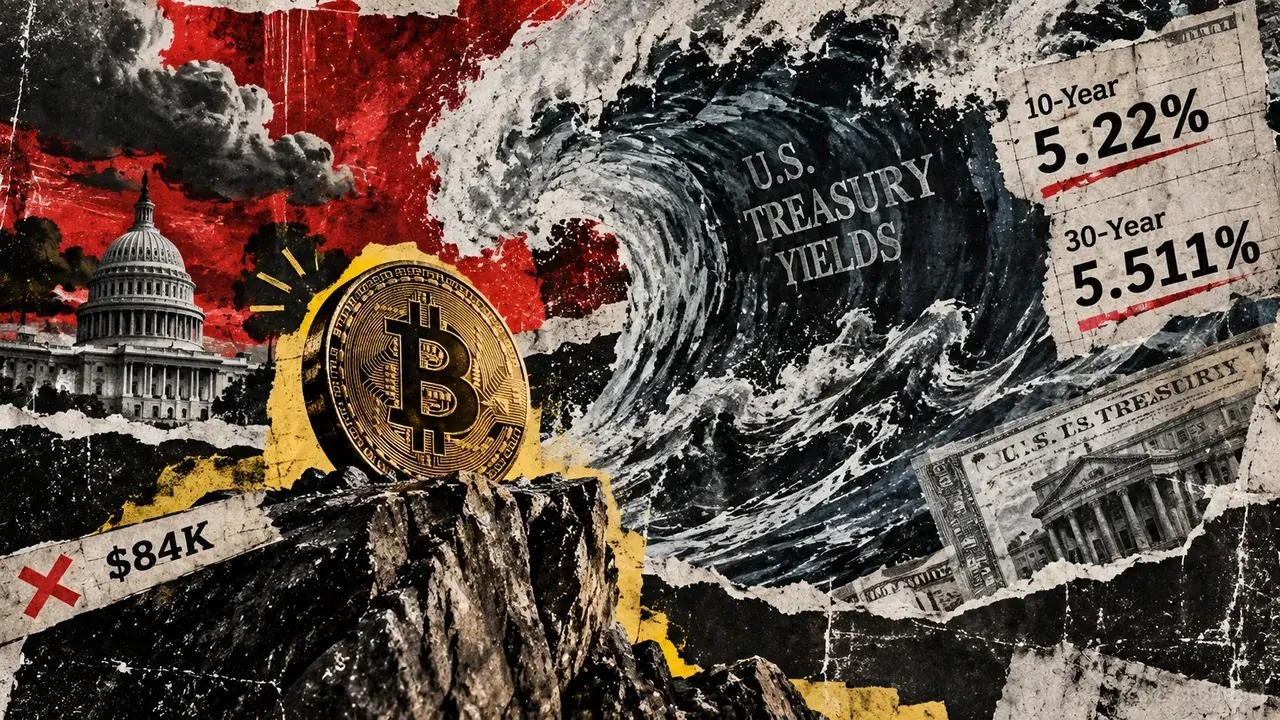
Bitcoin survives a 5.2% Treasury shock as traders slash $1.7 billion in leverage
Bitcoin is holding near $84,000 even as a historic US bond selloff pushes Treasury yields to decades-high levels. The benchmark 10...